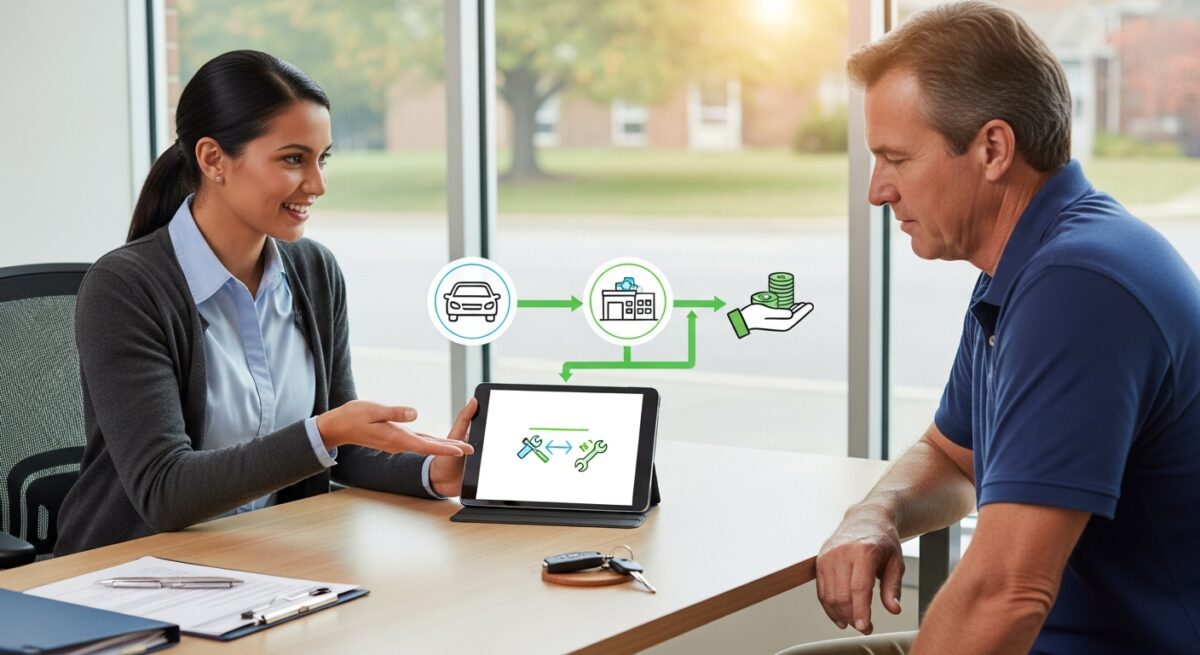
After a car accident, the last thing you want is a financial headache. Yet, many drivers find themselves stuck paying out of pocket for repairs, waiting for reimbursement from their own insurance company, and dealing with frustrating delays. This common scenario highlights a critical, often misunderstood aspect of the claims process: the direct auto insurance payment. This method, where an insurance company pays a service provider (like a repair shop) or a third party (like another driver) directly, is a cornerstone of settling claims efficiently. Understanding how it works, when it applies, and your rights within the process is essential for protecting your finances and ensuring a smooth recovery after a collision.
What Is a Direct Auto Insurance Payment?
A direct auto insurance payment occurs when an insurance company issues funds straight to a third party to cover costs related to a claim, bypassing the policyholder as the middleman. This is a standard practice designed to streamline the settlement process and ensure that bills are paid accurately and promptly. The most common recipients of direct payments are auto body repair shops, medical providers, and other drivers or their insurers in third-party liability claims. The alternative, an indirect payment, involves the insurer sending the money to you, the policyholder, who is then responsible for paying the service provider. While both methods settle the claim, the direct approach offers distinct advantages in terms of convenience and accountability.
It is crucial to distinguish between first-party and third-party direct payments. A first-party direct payment happens under your own policy’s coverage, such as collision or comprehensive. Here, your insurer pays your chosen repair shop directly after you pay your deductible. A third-party direct payment occurs when you are at fault, and your insurance company pays the other driver’s repair shop or medical bills directly under your liability coverage. In both cases, the payment fulfills the insurer’s obligation under the policy, but the relationships and processes differ slightly.
The Primary Benefits of Direct Payment Systems
Opting for, or accepting, a direct payment from an insurance company provides several key benefits that reduce stress and financial risk. The most significant advantage is the elimination of large upfront out-of-pocket costs. Without a direct pay system, you might have to pay the entire repair bill yourself and wait for a reimbursement check, which could strain your finances. Direct payment ensures the repair shop gets paid by the insurer, so you only need to handle your deductible. This system also creates a direct contractual relationship between the insurer and the vendor, which can increase accountability for the quality and timeliness of the repairs.
Furthermore, direct payments can significantly speed up the claims process. Since the insurer is paying the provider directly, there is no delay for you to receive a check, deposit it, and then issue a payment. The repair work can often begin sooner. This method also minimizes the risk of errors or disputes over payment amounts, as the insurer and provider agree on the cost before work commences. For policyholders, this translates to a more hands-off, streamlined experience where the insurance company manages the financial transaction, allowing you to focus on getting your vehicle back or recovering from injuries.
When Direct Payments Are Standard Practice
Direct payments are the norm in several specific claim scenarios. Understanding these will help you know what to expect when filing a claim. The most universal example is when using a network or preferred auto repair shop recommended by your insurance company. These shops have pre-negotiated rates and agreements with the insurer to accept direct payment, often with guarantees on the work. In such cases, you simply authorize the repair, pay your deductible at the shop, and the insurer handles the rest. This process is common whether you are using your own collision coverage or the at-fault driver’s property damage liability coverage is paying for your repairs.
Another standard scenario involves medical payments (MedPay) or personal injury protection (PIP) coverage. If you have these coverages on your policy, your insurer will typically pay your healthcare providers directly for treatment related to the accident, up to your policy limits. This avoids you having to submit piles of medical bills for reimbursement. Similarly, in a liability claim where you are at fault, the other party’s insurer (or your own, handling the claim) will almost always pay their repair shop and medical providers directly. This fulfills your legal obligation without money ever passing through your hands, which is a protective measure for all parties involved.
Your Rights and Choices in the Payment Process
While insurers often prefer direct payment to their network shops, you generally have the right to choose where your car is repaired. You are not legally obligated to use the insurer’s preferred shop. However, this choice can affect the payment flow. If you select your own independent repair shop, the insurer may still agree to pay them directly, but only after an agreed-upon estimate. Sometimes, if the shop’s rates are higher than the insurer’s prevailing rate, you may be responsible for the difference. The insurer might also opt to issue the payment to you and the shop jointly (a two-party check), requiring both endorsements to cash it. This ensures the money is used for repairs.
It is vital to communicate clearly with both your insurer and your chosen repair facility about payment expectations. Before authorizing repairs, ask: “Will you pay the shop directly, or will you issue a check to me?” Get the answer in writing if possible. You should also understand your state’s regulations, as some have specific laws governing auto insurance payments and repairer choices. For instance, knowing your local rules can empower you during the claims process. If you are navigating a complex claim in a specific region, such as understanding the nuances for Maryland drivers, specialized resources can be invaluable. A detailed resource like our comprehensive guide to Maryland auto insurance can clarify state-specific practices that affect direct payments.
Potential Pitfalls and How to Avoid Them
Despite its benefits, the direct payment system is not without potential issues. One common problem arises when an insurance company’s initial estimate is lower than the final bill from the repair shop. This often happens when “hidden damage” is discovered after teardown. If the insurer pays the shop directly based on the initial estimate, you could be held responsible for the balance. To avoid this, ensure there is a written agreement that the insurer will cover supplemental costs once approved by their adjuster. Never sign a “blanket” repair authorization at the shop that makes you liable for all costs; instead, authorize work only up to the amount the insurer has agreed to pay.
Another pitfall involves “betterment” charges. If your old, worn parts are replaced with new ones, an insurer may argue your car’s value has improved. They might then apply a “betterment” deduction, reducing the payment. This is more common with parts like tires and batteries. Be prepared to discuss and potentially negotiate this. The most serious pitfall is when a third-party claimant (the other driver) tries to pressure you for a direct cash settlement instead of going through insurance. This is almost always a red flag. You lose all legal protections and could be liable for much larger, later-discovered damages. Always report accidents to your insurer and let them handle direct payments to legitimate providers.
Steps to Ensure a Smooth Direct Payment Experience
To navigate a direct auto insurance payment successfully, a proactive and informed approach is key. Following a clear sequence of steps can prevent misunderstandings and ensure your claim is settled fairly and efficiently.
- Report the Claim Immediately: Contact your insurer as soon as possible after the accident. Provide all necessary details and police report information to initiate the claim file.
- Understand Your Coverage: Clarify which coverages apply (e.g., collision, liability), what your deductible is, and whether using a network shop affects your benefits or warranty.
- Get a Damage Assessment: Have the insurer’s adjuster and your chosen repair shop provide written estimates. Discuss any discrepancies between them before work begins.
- Secure Payment Authorization in Writing: Obtain a clear statement from your claims adjuster on the payment method (direct to shop, check to you), the approved amount, and the process for supplemental claims.
- Review All Paperwork Before Signing: Carefully read any repair authorization forms from the body shop. Ensure they align with the insurer’s authorization and do not make you liable for uncovered costs.
After the process is complete, keep detailed records of all communications, estimates, and final invoices. This documentation is crucial if any post-repair issues arise or if there are disputes about the payment. Following these steps creates a transparent chain of responsibility between you, your insurer, and the service provider.
Frequently Asked Questions on Direct Payments
Can I insist on the insurance company giving me the cash instead of paying the shop directly?
In many first-party claims (using your own collision coverage), you can request the payment be made to you. However, the insurer has a right to protect its financial interest. If you have a loan or lease, the lender is a co-owner of the vehicle, and the insurer will likely issue a two-party check to you and the lender or the repair shop directly. For third-party liability claims, payments are almost always made directly to the third party or their provider.
What if the repair shop finds more damage after the insurer’s direct payment is sent?
This is a standard part of the process. The shop should contact the insurance adjuster, provide documentation and photos of the supplemental damage, and request a “supplement.” The adjuster will review and, if approved, send an additional direct payment to the shop. You should not be the middleman in this financial transaction.
Does accepting a direct payment mean I am accepting the settlement in full?
Yes, this is a critical point. When an insurer, particularly an at-fault driver’s insurer, issues a direct payment to your repair shop, it is typically on the condition that it constitutes full and final settlement for that portion of the claim (e.g., property damage). Cashing a check or authorizing repairs paid for by a direct payment often releases that insurer from further property damage liability. Always read any release language carefully. For injury claims, this is a separate settlement.
How does this work with rental car reimbursement?
If you have rental coverage, insurers frequently have direct billing agreements with rental car companies. They will set up the rental and pay the agency directly, often for a longer period if supplements delay repairs. You may only be responsible for any coverage limits or fuel.
Are there regional differences in how direct payments are handled?
Yes, state insurance regulations can influence practices. For example, some states have stricter rules about steering you to preferred shops or requiring specific disclosures. It is wise to understand your local context. If you are a driver in New Jersey, familiarizing yourself with local practices can be beneficial, as outlined in our article on getting the best auto insurance quotes in New Jersey, which touches on the regulatory environment.
Mastering the concept of direct auto insurance payment transforms it from a mysterious administrative detail into a powerful tool for your financial and logistical benefit. By understanding when and how these payments are used, you can advocate for yourself effectively, avoid common pitfalls, and ensure that your claim resolves with minimal friction. The goal is to leverage the system so that your insurer fulfills its promise to you, the professionals are paid promptly for their services, and you can get back on the road with confidence and peace of mind.