
Electric Vehicle Insurance: Unique Considerations and Discounts
Electric vehicle insurance unique considerations and discounts can lower your premium while closing coverage gaps. Call 8332757533 for personalized quotes.

By Victor Langley
Electric vehicles are no longer a niche curiosity. They are a mainstream choice for drivers who want lower fuel costs, fewer moving parts, and a smaller carbon footprint. But when you shift from a gasoline-powered car to an EV, your insurance needs shift too. The same policy that worked for a sedan with an internal combustion engine may leave gaps in coverage for a battery pack, a charging cable, or a specialized repair shop. Understanding electric vehicle insurance unique considerations and discounts is the first step toward protecting your investment without overpaying. This guide walks through what makes EV coverage different, where the savings hide, and how to compare policies with confidence.
Why Electric Vehicles Change the Insurance Equation
At first glance, an EV looks like any other car on the road. It has four wheels, a windshield, and a driver. But underneath, the differences are significant enough to affect how insurers calculate risk and price your premium. The battery alone can cost thousands of dollars, and repairing a collision often requires specialized labor, software recalibration, and parts that may take weeks to arrive. That combination of high replacement cost and limited repair network pushes base rates higher for many EV models compared to similar gas-powered vehicles.
Another factor is weight. EVs tend to be heavier because of the battery pack, which can increase the force of impact in a collision. That matters for liability exposure and for the severity of damage in a crash. At the same time, EVs often come loaded with advanced driver assistance systems, such as automatic emergency braking, lane-keeping assist, and adaptive cruise control. These features can reduce the frequency of certain claims, which some insurers reward with lower rates. The net effect is a mixed picture: higher repair costs on one side, safer driving technology on the other.
It also helps to know that not every insurer treats EVs the same way. Some have dedicated EV programs with specialized coverage options, while others simply rate them like conventional vehicles. That inconsistency is exactly why shopping around matters more than ever. A policy that fits a gas car may not include the right protections for a battery, a charging station, or a loaner vehicle during a long repair. Before you commit, it pays to understand the unique considerations that shape electric vehicle insurance quotes.
Unique Considerations for Electric Vehicle Insurance
Standard auto policies were not written with electric drivetrains in mind. As a result, several coverage areas need extra attention. The most important is the battery. In many EVs, the battery is the single most expensive component, and a minor undercarriage impact can sometimes damage it. If your policy does not explicitly cover the battery, you could face a repair bill that rivals the value of the car. Comprehensive coverage is usually the right tool here, because it handles damage from incidents other than collisions, including fire, theft, and certain natural events.
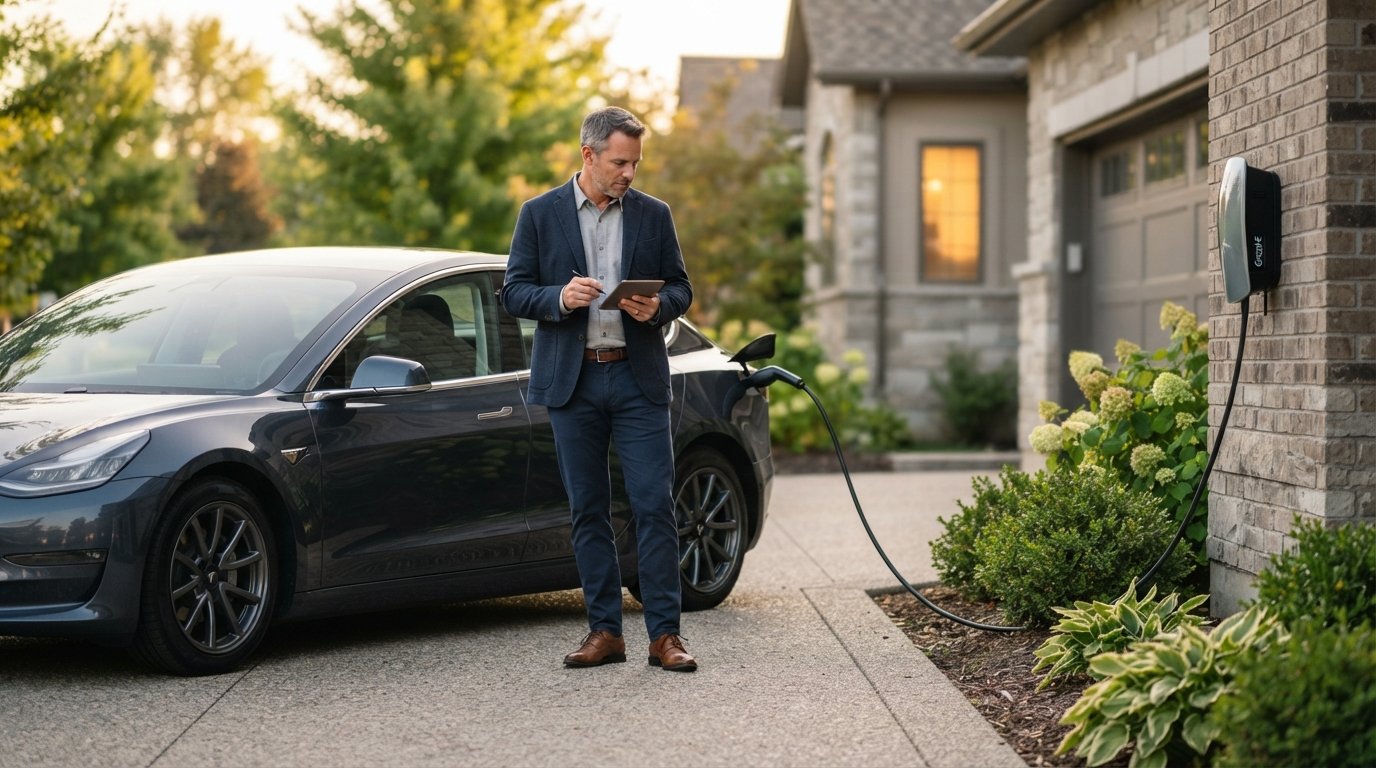
Charging equipment is another blind spot. Home charging stations, portable cables, and adapters are not always covered under a standard auto policy. If your charger is stolen or damaged, you may need a rider or an endorsement to recover the cost. Some insurers offer optional coverage for charging equipment, while others expect you to file a claim under your homeowners or renters policy. Knowing which path applies to you prevents surprises after a loss.
Repair networks also matter. Not every body shop is certified to work on high-voltage systems. A qualified EV repair facility may be farther away, and the repair itself may take longer because of parts availability and the need for software calibration. That extended downtime can trigger additional costs, such as rental car expenses, which are only covered if you have rental reimbursement on your policy. Finally, consider the total loss scenario. If your EV is declared a total loss, the payout is based on actual cash value, which can drop quickly because of battery degradation and rapid model changes. Gap insurance or a new car replacement endorsement can help close that gap.
To keep these considerations organized, here is a short checklist of coverage areas to review before you finalize an EV policy:
- Battery coverage: Confirm whether the battery is included under comprehensive or requires a separate endorsement.
- Charging equipment: Check if home chargers and portable cables are covered, and under which policy.
- Rental reimbursement: EV repairs often take longer, so rental coverage can be especially valuable.
- Gap insurance or new car replacement: Protects you if the EV is totaled and the payout is less than what you owe.
- Roadside assistance: EV-specific towing may require a flatbed, so verify that your provider can handle it.
Once you know which coverages you need, the next step is to see how insurers price them. That is where discounts come into play, and EVs offer some opportunities that gas cars do not.
Discounts and Savings Opportunities for EV Owners
Insurance discounts for electric vehicles fall into two broad categories: discounts tied to the vehicle itself and discounts tied to your behavior or profile. On the vehicle side, many insurers offer a safety feature discount because EVs often include forward collision warning, automatic braking, and other advanced systems. Some carriers also provide a specific EV discount, though it is not universal. Federal and state incentives can indirectly lower your insurance costs by reducing the purchase price, which in turn lowers the amount you need to insure. It is worth asking each insurer whether they recognize these incentives when calculating your premium.
On the driver side, the usual discounts still apply: safe driver, multi-policy, low mileage, and paid-in-full. But EV owners may benefit more from certain ones. For example, if you drive fewer miles because you charge at home and commute shorter distances, a low-mileage discount can be substantial. Telematics programs, which track your driving habits, can also reward the smooth, gradual acceleration that EVs naturally encourage. And if you bundle your auto policy with homeowners or renters insurance, you may unlock a multi-policy discount that stacks with EV-specific savings.
Here are some of the most common discounts to ask about when you request electric vehicle insurance quotes:
- Advanced safety features: Automatic emergency braking, lane departure warning, and adaptive cruise control.
- EV or alternative fuel discount: Offered by some carriers to encourage eco-friendly vehicles.
- Low mileage: If you drive less than a set annual threshold, often 7,500 to 10,000 miles.
- Multi-policy bundle: Combining auto with home or renters insurance.
- Paid-in-full: Paying the full premium upfront instead of monthly.
- Telematics or usage-based: Safe driving programs that monitor speed, braking, and mileage.
Discounts vary widely by state and insurer, so the only way to know your real savings is to compare quotes from multiple carriers. A single insurer may offer a generous EV discount but charge more for comprehensive coverage, while another may have lower base rates but fewer EV-specific perks. The right balance depends on your model, your driving habits, and your budget.
How to Compare Electric Vehicle Insurance Quotes
Comparing EV insurance is similar to comparing conventional auto insurance, but with a few extra steps. Start by gathering your vehicle identification number, your current policy declarations page, and your driving history. Then decide which coverages you need, including the EV-specific items from the checklist above. With that information ready, you can request quotes from several insurers and compare them side by side.
Do not focus on price alone. Look at the deductible, the rental reimbursement limit, the roadside assistance terms, and whether the policy includes original equipment manufacturer parts. For EVs, OEM parts can be critical because aftermarket batteries and components may not meet the same safety standards. Also check the insurer's claims process for EV repairs: some carriers have partnerships with certified EV repair shops, which can speed up the process and reduce out-of-pocket costs.
If you want a streamlined way to gather multiple quotes, an independent comparison platform can help. For example, NewAutoInsurance provides consumer guidance, comparisons, and educational content about auto insurance for drivers in the United States. It is not a direct insurance carrier or broker, but it can help you understand coverage options and find potential savings before you speak with licensed agents. Using a resource like that alongside your own research makes it easier to ask the right questions and avoid coverage gaps.
When you receive quotes, ask each insurer these questions to make an apples-to-apples comparison:
- Is the battery covered under comprehensive, or is it excluded?
- Does the policy cover home charging equipment, and if so, up to what amount?
- What is the rental reimbursement limit, and how many days does it cover?
- Does the policy include OEM parts for repairs?
- Are there any EV-specific discounts applied to this quote?
After you have answers, rank the quotes by total value, not just monthly premium. A slightly higher premium with better rental coverage and OEM parts could save you thousands if you ever file a claim. And remember that you can often adjust deductibles or drop optional coverages to bring a quote in line with your budget without sacrificing the protections that matter most.
State Requirements and EV Insurance Mandates
Every state sets its own minimum auto insurance requirements, and those minimums apply to EVs just as they do to gas cars. In most states, you must carry liability coverage for bodily injury and property damage. Some states also require uninsured or underinsured motorist coverage, personal injury protection, or medical payments coverage. Driving without the required coverage can lead to fines, license suspension, and out-of-pocket costs if you cause an accident.
Some states have additional rules that affect EV owners. For example, certain states charge higher registration fees for EVs to offset lost gas tax revenue, but that does not change your insurance obligations. A few states offer incentives for EV owners, such as reduced tolls or access to carpool lanes, which are separate from insurance. What matters for your policy is that you meet your state's minimum requirements and then add the coverages you need for your specific situation.
If you are unsure what your state requires, a quick review of your state's department of insurance website will give you the basics. You can also ask an insurance agent to confirm the minimums when you request a quote. For a broader overview of coverage types and how they work, the full coverage guide from Free Auto Insurance Quotes Online is a useful starting point. It explains how liability, collision, and comprehensive coverage fit together, which helps you decide which add-ons make sense for an EV.
Common Mistakes to Avoid When Insuring an EV
One of the biggest mistakes is assuming that a standard policy automatically covers the battery. In reality, some policies exclude the battery or cap its coverage, leaving you responsible for a repair that can cost more than half the vehicle's value. Another common error is overlooking charging equipment. If your home charger is damaged or stolen, you may not be reimbursed unless you added a specific endorsement.
Another pitfall is choosing the cheapest quote without checking the repair network. A low premium may come with a network that lacks certified EV technicians, which can delay repairs and increase the risk of improper work. Similarly, skipping rental reimbursement can be costly if your EV spends weeks in the shop waiting for parts. Finally, failing to update your policy when you install a home charging station or change your annual mileage can leave you underinsured or miss out on available discounts.
To avoid these mistakes, treat your EV policy as a living document. Review it once a year, or whenever your driving habits, vehicle, or living situation changes. That annual check-in is also a good time to request new quotes and see if a better deal is available. Insurers change their rates and discount offerings frequently, so a policy that was competitive two years ago may no longer be the best fit.
Frequently Asked Questions About EV Insurance
Is EV insurance more expensive than gas car insurance? It can be, mainly because of higher repair costs and the price of the battery. However, discounts for safety features and low mileage can offset some of that difference. Comparing quotes is the only way to know for sure.
Does my auto policy cover the charging station at my home? Not always. Some insurers cover home charging equipment under the auto policy, while others require a separate endorsement or a homeowners policy claim. Ask your insurer directly.
Can I get a discount for driving an electric vehicle? Some carriers offer an EV or alternative fuel discount, but it is not universal. You may also qualify for safety feature, low mileage, and multi-policy discounts.
What happens if my EV is totaled? The insurer pays the actual cash value, which may be less than what you owe. Gap insurance or a new car replacement endorsement can cover the difference.
Do I need special roadside assistance for an EV? It is a good idea. EV towing often requires a flatbed, and not all roadside providers are equipped for that. Verify the terms before you need help.
Electric vehicle insurance does not have to be complicated. By understanding the unique considerations, asking about every available discount, and comparing quotes from multiple insurers, you can protect your EV without paying more than necessary. Start by reviewing your current policy, then gather quotes that reflect your actual driving habits and coverage needs. With the right approach, you can enjoy the benefits of electric driving and the peace of mind that comes with a well-matched insurance policy.