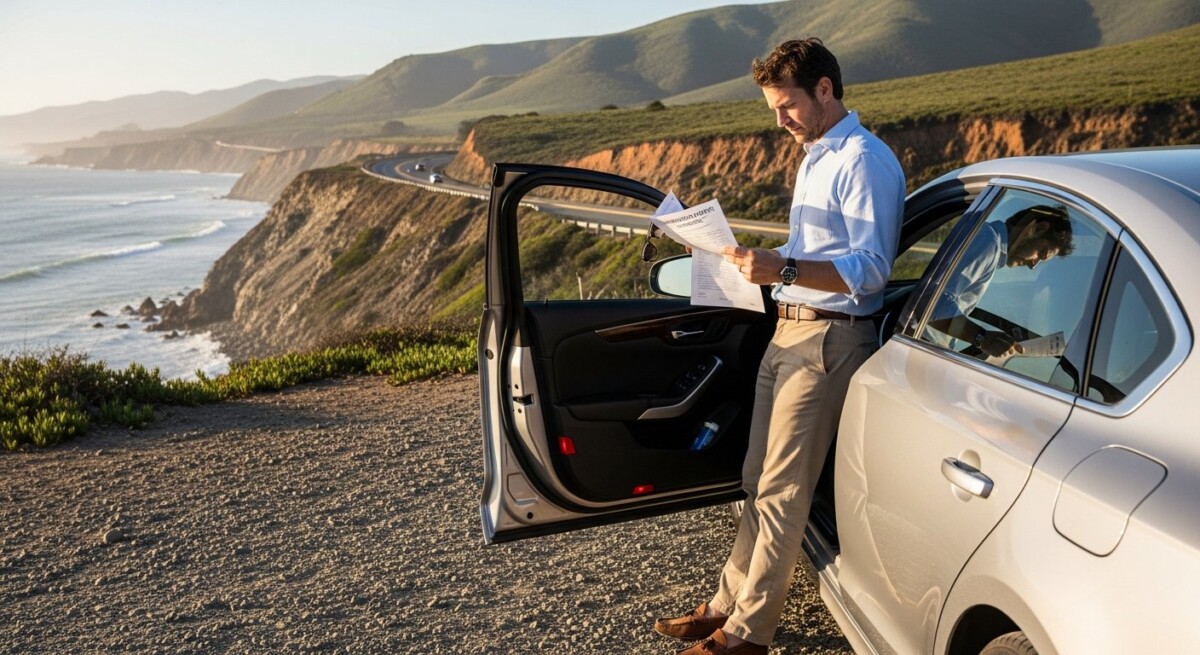
For drivers over the age of 65, finding the right car insurance is about more than just the lowest price. It is about securing coverage that understands and adapts to the unique needs of a mature driver. While some insurers may raise rates based on age alone, many others offer specialized discounts, benefits, and customer service tailored to seniors. The best auto insurance for seniors provides a blend of affordability, comprehensive protection, and respect for a lifetime of safe driving experience. This guide will help you navigate the market, identify key features for senior drivers, and make an informed choice to protect yourself on the road.
Understanding How Age Affects Auto Insurance Rates
It is a common misconception that car insurance rates only increase with age. In reality, pricing follows a curve. Premiums are typically highest for young, inexperienced drivers, then generally decrease and stabilize through middle age. For many seniors, rates may begin to creep up again after age 70 or 75, though this is not universal. Insurers use statistical data that suggests an increased risk of accidents among the oldest age groups, often related to changes in vision, reaction time, or medication use. However, this is a broad generalization that fails to account for individual driving records and habits. A 75-year-old with a spotless record may still pay less than a 45-year-old with recent tickets. The key is that your age is just one of many factors, and its impact can be mitigated by shopping for companies that value mature drivers and offer substantial discounts for safe driving, low mileage, and defensive driving courses.
Essential Coverage Considerations for Senior Drivers
When evaluating policies, seniors should look beyond basic liability coverage. Your insurance portfolio should reflect your current life stage, assets, and driving patterns. For instance, if you have paid off your mortgage and built a nest egg, you have more to protect from a lawsuit, making higher liability limits a wise investment. Conversely, if you are driving a decade-old car, you might consider dropping collision coverage if the premium exceeds the car’s value. Medical payments coverage or personal injury protection (PIP) becomes increasingly important, as it can help cover medical bills for you and your passengers regardless of who is at fault. Furthermore, as we age, the likelihood of needing assistance on the road rises, making robust roadside assistance and rental car reimbursement endorsements valuable additions to any policy. Tailoring your coverage is a critical step in finding the best auto insurance for seniors.
Top Discounts and Benefits for Mature Drivers
Proactively seeking out discounts is the most effective way to lower your premium. Insurers that cater to seniors often provide a suite of discounts specifically designed for this demographic. Here are the most common and valuable discounts to inquire about:
- Low Mileage Discount: If you are no longer commuting or have reduced your driving, you may qualify for a significant discount.
- Defensive Driving Course Discount: Completing an approved course, such as those offered by AARP or AAA, can lead to a discount of 5% to 15%, and it also refreshes your safe driving skills.
- Bundling Discount: Combining your auto policy with homeowners, renters, or life insurance from the same company.
- Safe Driver Discount: Maintaining a clean driving record for a set period, typically three to five years.
- Mature Driver Discount: Some companies offer an automatic discount simply for being over a certain age, often 50 or 55.
Beyond discounts, look for companies with benefits like accident forgiveness, which prevents your rate from increasing after your first at-fault accident, or new car replacement coverage. It is also wise to review the claims process and customer service reputation, as a supportive and patient claims department can make a stressful situation much easier. For a deeper look at post-65 coverage strategies, our resource on auto insurance for seniors finding affordable coverage provides additional context.
Evaluating Leading Insurance Providers for Seniors
Not all insurance companies view senior drivers the same way. Some have built their reputations on serving this demographic, while others may offer competitive rates through direct-to-consumer models. AARP, in partnership with The Hartford, is famously geared toward older adults, offering a range of member benefits and tailored coverage options. USAA, if you are eligible through military affiliation, consistently receives high marks for customer satisfaction and value. Geico and State Farm are known for their competitive pricing and widespread availability, often offering strong discounts for safe drivers. Regional insurers can also be excellent choices, as they may have more nuanced understanding of local driving conditions and regulations. For example, drivers in New York can explore specific strategies in our guide to affordable auto insurance NY drivers can trust. The best approach is to get quotes from at least three different types of companies: a senior-focused provider, a large national carrier, and a regional insurer. This comparison will reveal who truly offers the best auto insurance for seniors in your specific situation.
The Role of Defensive Driving and Regular Reviews
One of the most powerful tools a senior driver has is proactive risk management. Enrolling in a defensive driving course does more than just secure a discount, it updates your knowledge of road rules and teaches techniques to compensate for any age-related changes. Many courses are available online or in person through community centers. Equally important is conducting an annual insurance review. Your life circumstances, driving habits, and vehicle value change over time. An annual check-up with your agent or a comparison shopping session ensures your coverage remains optimal and cost-effective. This is also the perfect time to discuss any changes in health that might affect your driving and to ensure all applicable discounts are being applied. Staying engaged with your policy is as important as the initial purchase.
Frequently Asked Questions
At what age does auto insurance typically become more expensive for seniors?
While it varies by insurer and individual driver, many companies may begin to adjust rates upward around age 70 to 75. However, a perfect driving record and low mileage can offset these increases significantly.
Is AARP auto insurance actually a good deal?
AARP’s program with The Hartford is highly rated for customer service and offers benefits tailored to older adults. However, it is essential to get a quote and compare it with other insurers, as the best deal is always personal. Our dedicated AARP auto insurance review breaks down the benefits in detail.
Should I reduce my coverage on an older car?
This is a common consideration. If your car’s market value is low, paying for collision and comprehensive coverage may not be cost-effective. A good rule of thumb is to consider dropping these coverages if the annual premium exceeds 10% of the car’s cash value.
How often should I shop for new auto insurance as a senior?
It is advisable to compare quotes at least every two to three years, or anytime you have a major life change (like moving, retiring, or changing vehicles). Loyalty does not always guarantee the best rate.
Are there any state-specific programs for senior drivers?
Yes, some states have unique rules or assistance programs. For instance, understanding the specific landscape in a state like Massachusetts is crucial, as outlined in our complete guide to auto insurance in Massachusetts.
Securing the right auto insurance policy is a crucial component of safe and independent living for seniors. By focusing on companies that value mature drivers, maximizing every available discount, and tailoring coverage to your modern lifestyle, you can find protection that offers both peace of mind and financial sense. The market is competitive, and with diligent research, you can identify a policy that honors your experience and keeps you securely on the road.