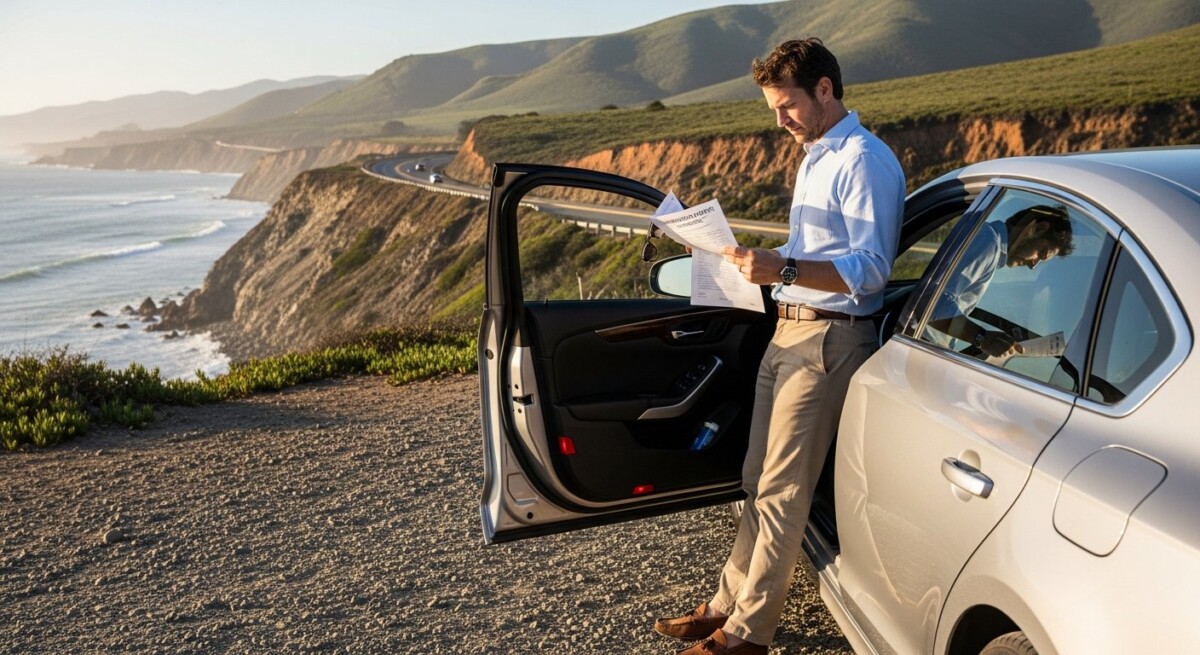
Every California driver knows the feeling: the annual insurance renewal notice arrives, and the premium seems to have climbed another 10% for no clear reason. In a state with some of the highest car insurance rates in the nation, finding affordable coverage isn’t just a nice-to-have, it’s a financial necessity. The quest for the cheapest auto insurance in California, however, is not a simple price comparison. It’s a strategic process that balances cost with legal compliance and personal risk. The cheapest policy is worthless if it leaves you dangerously exposed after an accident on the 405 or fails to meet California’s specific financial responsibility laws. True savings come from understanding the unique insurance landscape of the Golden State, knowing which discounts you qualify for, and tailoring your coverage to your precise situation without overpaying for protections you don’t need.
Understanding California’s Insurance Landscape and Minimums
California operates under a “fault” system for auto accidents, meaning the driver who causes the collision is financially responsible for the resulting damages. To ensure drivers can cover these costs, state law mandates all vehicle owners carry a minimum amount of liability insurance. This is the absolute baseline for legal driving and is often the core of the cheapest policies. The current minimum requirements are expressed as 15/30/5: $15,000 for injury or death to one person, $30,000 for injury or death to more than one person per accident, and $5,000 for property damage. While this meets the legal definition, it is critically important to understand that these limits are extremely low. A moderate accident with medical bills and vehicle repairs can easily exceed these amounts, leaving you personally liable for the difference. Therefore, while a minimum liability policy might offer the cheapest auto insurance premium in California upfront, it can be the most expensive financial decision of your life if a serious accident occurs.
Beyond the state minimums, other common coverages include collision (for damage to your car from an accident), comprehensive (for theft, vandalism, fire, etc.), uninsured/underinsured motorist protection (crucial in a state with a high rate of uninsured drivers), and medical payments coverage. The cost of each component adds to your premium. For a deeper look at the foundational coverages available to drivers, our resource on Auto Insurance California provides a reliable breakdown of your options.
Key Factors That Determine Your California Premium
Insurance companies use a complex algorithm to assess risk, and your premium is the price of that risk. Knowing what insurers evaluate empowers you to control what you can. Your driving record is the most significant factor under your control. A single speeding ticket or at-fault accident can increase your premium by 20% to 40% or more. Your location within California also has a massive impact. Urban areas like Los Angeles, San Francisco, and Oakland have significantly higher rates due to dense traffic, higher accident frequencies, and greater rates of theft and vandalism. Conversely, drivers in rural parts of the state often see lower premiums.
Your vehicle itself is another major rating factor. The car’s make, model, year, safety features, and especially its likelihood of being stolen or its cost to repair all feed into the premium calculation. A brand-new luxury SUV will cost far more to insure than a ten-year-old sedan with top safety ratings. Finally, personal demographics like your age, credit-based insurance score (where permitted), years of driving experience, and annual mileage are all carefully weighed. Younger drivers, especially teens, pay the highest rates due to statistical risk, while mature drivers with long, clean records typically see lower costs.
Proven Strategies to Lower Your Insurance Costs
Reducing your premium requires a proactive approach. It’s not just about finding a cheap insurer, but about presenting yourself as a lower-risk driver and actively seeking out savings. The following strategies are consistently effective for California drivers seeking the most affordable rates.
- Shop Around and Compare Quotes Annually: Loyalty rarely pays in auto insurance. Rates vary wildly between companies for the same driver. Get quotes from at least three to five different insurers every year, including both major national carriers and regional companies that may specialize in the California market.
- Maximize Every Discount: Insurers offer dozens of discounts, but they won’t always apply them automatically. Common ones include multi-policy (bundling auto with home or renters), multi-vehicle, good driver, good student, pay-in-full, paperless billing, and low-mileage discounts. Ask your agent for a full list and audit your policy to ensure you’re receiving all you qualify for.
- Raise Your Deductible: Increasing your comprehensive and collision deductible (the amount you pay out-of-pocket before insurance kicks in) can lower your premium. Just ensure you have the savings to cover the higher deductible if you need to file a claim.
- Maintain a Clean Driving Record: This is the single most powerful long-term cost-control tool. Avoid tickets and accidents. Many insurers offer accident forgiveness programs, but qualifying often requires a spotless record for several years beforehand.
- Improve Your Credit Score: While California has restrictions on how insurers can use credit information, a strong credit-based insurance score is still a key rating factor for most companies and can lead to significantly lower premiums.
Implementing these steps requires diligence, but the annual savings can amount to hundreds of dollars. For drivers in other high-cost states, the principles are similar. You can explore specific tactics for another major market in our guide to securing Cheap Auto Insurance Florida style savings.
Evaluating Insurers: Beyond the Bottom-Line Price
Choosing an insurer based solely on the cheapest quote can be a catastrophic mistake. Financial stability, customer service, and claims handling efficiency are paramount when you actually need to use your policy. Research the company’s financial strength ratings from agencies like A.M. Best or Standard & Poor’s. A financially shaky company might not be there to pay a large claim. Read customer reviews focused on the claims process. How quickly do they respond? Are adjusters helpful? Are repairs handled fairly? Check complaint ratios with the California Department of Insurance. These public records show how many complaints a company receives relative to its size, giving you insight into potential service issues.
Also, consider the insurer’s technology and convenience. A user-friendly app for digital ID cards, bill pay, and claims filing can save you immense time and hassle. The availability of local agents versus a fully online experience is another personal preference. Some drivers value the advice and advocacy of a local agent, while others prefer the lower overhead and 24/7 access of a direct online insurer. The right balance of price, service, and stability is unique to each driver, but it must be a considered balance, not a default to the lowest number.
Special Considerations for California Drivers
California presents unique challenges that directly influence insurance costs and decisions. The state has a persistently high percentage of uninsured drivers, despite the legal mandate. This makes Uninsured/Underinsured Motorist (UM/UIM) coverage not just a smart add-on, but an essential layer of protection for your own health and vehicle. Furthermore, California is prone to specific natural disasters, including wildfires, mudslides, and earthquakes. Comprehensive coverage is what protects your vehicle from these non-collision events. If you live in a high-fire-risk zone, ensuring you have adequate comprehensive limits is critical.
Another key consideration is the prevalence of usage-based insurance (UBI) programs, also known as telematics. Programs like Allstate’s Drivewise, State Farm’s Drive Safe & Save, or Progressive’s Snapshot track your driving behavior (mileage, braking, speed, time of day) via a mobile app or plug-in device. Safe drivers can earn substantial discounts, sometimes over 20%. However, poor driving data could theoretically lead to a rate increase, so these programs are best for confident, low-mileage drivers. Understanding these California-specific factors is a core part of making an informed decision, a topic we elaborate on in our broader California auto insurance analysis.
Frequently Asked Questions
Is the cheapest minimum liability coverage enough for me?
For most drivers, no. California’s minimums are among the lowest in the country and are easily exhausted in even a moderate accident. Medical costs alone can shatter the $15,000 per person limit. Experts strongly recommend carrying liability limits of at least 100/300/100 to provide meaningful protection for your assets.
How much can I save by bundling insurance policies?
Bundling your auto insurance with a homeowners or renters policy typically yields a discount of 10% to 25% on both policies. It’s one of the easiest and most significant discounts available, and it also simplifies your billing and coverage management.
Will my rate go up if I use my insurance for a claim?
In California, insurers cannot raise your premium solely for filing a claim where you were not at fault. However, an at-fault accident will almost certainly lead to a rate increase at renewal. The amount and duration of the increase depend on the severity of the accident and your insurer’s policies.
Can my insurance be canceled for too many quotes?
No. Simply shopping for quotes by getting soft inquiries on your credit report or providing your information for a premium estimate does not harm your credit score or lead to cancellation. This is a common myth that prevents people from shopping around.
What is the single most effective way to get cheap car insurance in California?
Maintaining a clean driving record over time is the most powerful method. It qualifies you for the best driver discounts, keeps you eligible for the widest range of insurers (including the most competitive ones), and avoids the surcharges that follow violations and at-fault accidents. Consistent safe driving is the ultimate long-term savings plan, a principle that holds true whether you’re navigating Pacific Coast Highway or the streets of Miami, as noted in our review of Florida’s affordable insurance landscape.
Securing the cheapest auto insurance in California is a deliberate exercise in risk management and consumer awareness. It requires moving beyond a simple price search to a holistic evaluation of your coverage needs, your personal risk profile, and the reliability of the insurer offering the quote. By understanding the factors that drive costs, aggressively pursuing discounts, comparing quotes regularly, and never sacrificing essential protection for a dangerously low price, you can achieve substantial savings without gambling your financial future. The road to affordable coverage is paved with information and proactive choices.