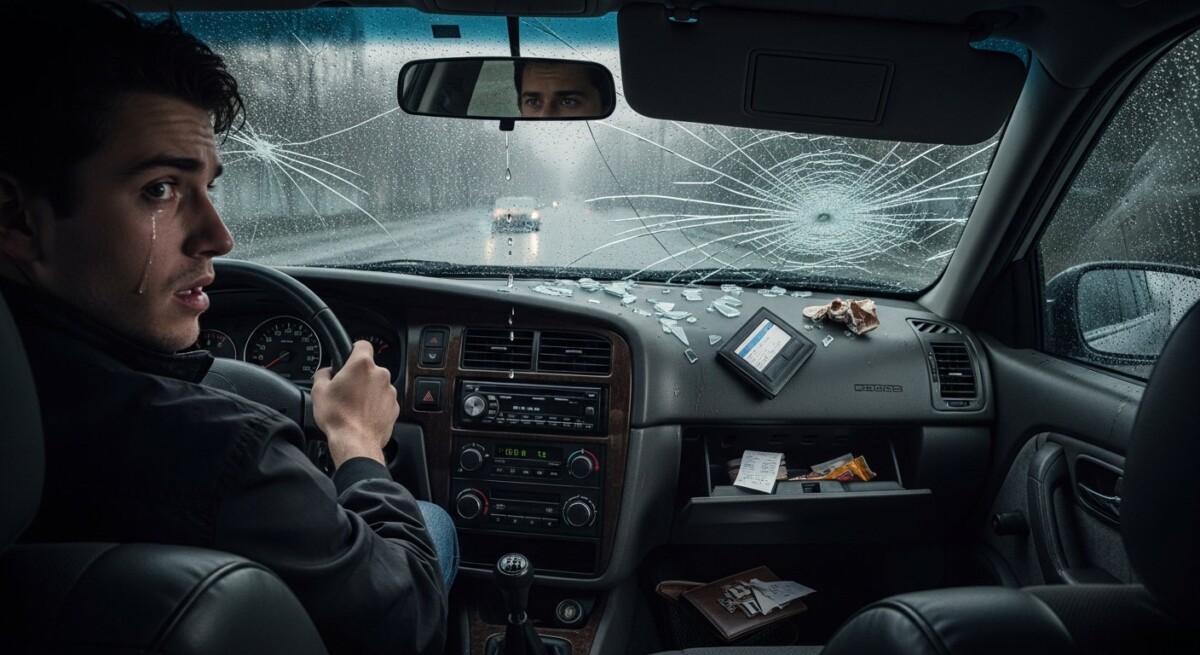
You are sitting in your car after a collision, heart pounding, and the other driver has already sped away. Then the second wave of panic hits: you do not have insurance. This scenario is more common than most drivers realize, and the consequences can be severe. Understanding what happens if you are involved in a hit-and-run with no insurance is critical because your immediate actions and long-term strategy will determine whether you face minor penalties or serious legal and financial trouble. This article breaks down the legal landscape, financial risks, and practical steps you must take to protect yourself.
The Legal Consequences of an Uninsured Hit-and-Run
Being the victim of a hit-and-run is stressful enough, but doing so without insurance adds layers of complexity. Every state has mandatory insurance requirements, and driving without coverage is illegal in nearly all of them. When you add a hit-and-run to the equation, even as the victim, the situation becomes legally muddled. Law enforcement will investigate the accident, and if they discover you were uninsured, you face separate penalties regardless of who caused the crash.
In many jurisdictions, the penalties for driving without insurance include fines ranging from $100 to $1,000 or more for a first offense. Repeat offenses can lead to license suspension, vehicle impoundment, and even jail time in extreme cases. If you are found to have contributed to the accident in any way, the hit-and-run charge could compound these penalties. In our guide on accident without insurance what happens next, we explain how the legal system treats uninsured drivers differently depending on fault and state law.
It is important to note that being uninsured does not automatically absolve the hit-and-run driver of responsibility. Law enforcement will still attempt to locate them, but your own legal exposure begins the moment the police arrive and ask for proof of insurance. The key is to stay calm, do not admit fault, and focus on documenting everything while protecting your rights.
Financial Fallout: Repair Costs and Medical Bills
The most immediate financial concern after an uninsured hit-and-run is vehicle damage. Without insurance, you have no carrier to file a claim with for repairs. If the at-fault driver is never found, you are left paying out of pocket for bodywork, mechanical repairs, and any rental car expenses. Depending on the severity of the damage, this could range from a few hundred dollars to tens of thousands.
Medical costs present an even greater risk. If you or your passengers were injured in the crash, emergency room visits, follow-up care, physical therapy, and prescription medications add up quickly. A single ambulance ride can cost over $1,000, and a hospital stay for moderate injuries can easily exceed $50,000. Without insurance, these bills fall entirely on you. Even if you have health insurance, your auto insurance typically covers accident-related medical expenses first, and health insurers often deny claims if auto coverage was available but not carried.
Here are the primary financial risks you face after an uninsured hit-and-run:
- Vehicle repair or replacement costs paid entirely from your savings or financed at high interest rates.
- Medical bills for emergency treatment, surgery, medication, and rehabilitation with no liability coverage to reimburse you.
- Lost wages from time off work due to injuries, with no accident benefits to replace your income.
- Legal fees if you need an attorney to fight traffic citations or defend against civil lawsuits from other parties.
- Increased future insurance premiums once you reinstate coverage, as insurers view a lapse as high-risk behavior.
Each of these financial burdens can compound quickly. For example, if you miss two months of work while recovering from a back injury and cannot afford car repairs, you may lose your job entirely. This cascade effect is why having a plan for affordable auto insurance after an accident is it possible becomes a pressing question once you are back on your feet.
Can You Sue the Hit-and-Run Driver?
Technically, yes, you can file a civil lawsuit against the driver who fled the scene. In practice, this is extremely difficult unless law enforcement identifies them. Without a license plate number, description of the vehicle, or witnesses, the chances of locating the driver are slim. Even if you do find them, collecting a judgment requires the other driver to have assets or insurance, which is often not the case.
If the hit-and-run driver is caught, you can sue them for property damage, medical expenses, lost wages, and pain and suffering. However, your own lack of insurance complicates the case. The defense may argue that your failure to carry insurance contributed to your damages, especially if you could have mitigated losses through uninsured motorist coverage. Some states have laws that limit damages for uninsured plaintiffs in certain situations.
Your best bet is to cooperate fully with police investigations. Provide any dashcam footage, photos of the fleeing vehicle, or witness contact information you have. The more evidence you gather, the higher the chance of finding the driver. If they are caught, consult with a personal injury attorney who handles uninsured motorist cases. Many offer free initial consultations and work on contingency, meaning they only get paid if you win.
Steps to Take Immediately After the Crash
Your actions in the first 24 hours after a hit-and-run can significantly impact your legal standing and financial recovery. Follow these steps carefully, even if you are shaken up:
- Ensure safety first. Move to a safe location if possible, turn on hazard lights, and check for injuries. Call 911 if anyone needs medical attention.
- Do not chase the other driver. Pursuing a fleeing vehicle is dangerous and can lead to additional charges against you. Focus on gathering information from the scene.
- Call the police. Report the hit-and-run immediately. Give them as many details as possible: make, model, color, license plate (even partial), direction of travel, and description of the driver.
- Document everything. Take photos of your vehicle damage, the surrounding area, skid marks, and any debris from the other car. Write down everything you remember while it is fresh.
- Gather witness information. Ask anyone who saw the crash for their name and phone number. Dashcam footage from other drivers can be invaluable.
- Do not admit fault. Even if you think you might have contributed, never say “I’m sorry” or accept blame at the scene. Let the investigation determine fault.
- Contact a lawyer. If you face citations for driving without insurance or if your injuries are serious, legal representation is essential.
After you have handled the immediate scene, focus on getting your insurance situation sorted out. Even if you did not have coverage at the time of the crash, obtaining a policy as soon as possible demonstrates responsibility and can help mitigate penalties in some states. Visit a comparison platform like Free Auto Insurance Quotes Online to see multiple quotes side by side and find a policy that fits your budget.
State-Specific Penalties and Protections
Insurance requirements and hit-and-run laws vary widely by state. Some states, like California, have strict financial responsibility laws that require proof of insurance at all times. If you are caught driving without insurance in California, you face a $100 to $200 fine for a first offense plus vehicle impoundment fees. Repeat offenders can have their license suspended for up to four years. In our step-by-step guide to filing your California auto insurance claim, we cover how state-specific rules affect your options.
Other states, such as New Hampshire, do not require insurance at all, but drivers must prove they can pay for damages out of pocket. In these states, being uninsured in a hit-and-run may carry fewer criminal penalties, but you still face full financial liability for your own damages. States like Florida have no-fault insurance systems where your own Personal Injury Protection (PIP) coverage pays for medical bills regardless of fault. Without PIP, you have no automatic coverage for your injuries.
The table below highlights key differences across three common state scenarios:
- At-fault states: The driver who caused the crash is financially responsible. If they fled and are not found, you bear the costs unless you have uninsured motorist coverage.
- No-fault states: Your own insurance pays for medical bills up to your PIP limit, regardless of fault. Without insurance, you have no PIP to tap into.
- Choice states: Drivers can choose between tort and no-fault systems. Your coverage selections determine your recourse after a hit-and-run.
Understanding your state’s laws is critical. A local attorney or a free consultation with an insurance specialist can clarify your specific obligations and options. The penalties for driving without insurance are almost always worse than the cost of a basic liability policy, so prioritize getting covered even if you are still dealing with the aftermath of the crash.
How to Rebuild After an Uninsured Hit-and-Run
Recovering from this situation takes time, patience, and a clear strategy. Start by addressing your immediate financial obligations. Contact your health insurance provider to see if they cover any accident-related medical expenses, even if you were uninsured for auto coverage. Some health plans have accident riders that pay a lump sum for emergency care. Next, explore payment plans with your mechanic or hospital to avoid collections and credit damage.
If you receive citations for driving without insurance, consider hiring a traffic attorney. In many cases, they can negotiate reduced fines or arrange for you to take a defensive driving course in exchange for dismissal. Some states allow you to show proof of insurance obtained after the accident to satisfy the financial responsibility requirement, which can lead to charges being dropped.
Finally, once you have stabilized your finances, shop for a new auto insurance policy. Being labeled as a high-risk driver means your rates will be higher than average, but you can still find affordable options. Many insurers offer accident forgiveness programs or discounts for completing safe driving courses. Compare at least three to five quotes before committing, and consider raising your deductible to lower your premium. Use Free Auto Insurance Quotes Online to see rates from multiple carriers in one place and find a policy that gets you back on the road legally and affordably.
Frequently Asked Questions
Will I go to jail for driving without insurance during a hit-and-run?
Jail time is rare for a first-time uninsured driving offense, but it is possible if you caused the accident, fled the scene, or have prior violations. Most states impose fines and license suspension instead. However, felony hit-and-run charges can carry jail sentences of up to several years, especially if injuries or fatalities occurred.
Can I get insurance after the accident to cover the damage?
No. Insurance policies do not cover damage that occurred before the policy start date. You cannot retroactively purchase coverage to claim for a hit-and-run that already happened. However, getting a policy immediately protects you from future incidents and may help with penalty mitigation in court.
What if the hit-and-run driver is found but has no insurance?
If the other driver is uninsured, you are still responsible for your own damages unless you have uninsured motorist property damage coverage. You can sue them personally, but collecting may be difficult if they have no assets. A judgment does not guarantee payment.
Does my health insurance cover car accident injuries?
Health insurance typically covers medical treatment for car accident injuries, but it will often require you to exhaust your auto insurance benefits first. If you have no auto insurance, your health plan may cover the bills but could deny claims related to auto accidents or impose higher deductibles and copays.
How long do I have to report a hit-and-run to the police?
You should report the accident immediately. Most states require you to file a report within 24 to 72 hours. Delaying can result in additional penalties and make it harder for law enforcement to find the fleeing driver. Always get a police report number for your records.
Being involved in a hit-and-run without insurance is a frightening experience, but it does not have to ruin your life. Focus on safety first, document everything, and seek legal advice if needed. Once the dust settles, take proactive steps to get insured and protect yourself from future incidents. The road to recovery starts with one call or click. Contact the team at Free Auto Insurance Quotes Online at 833-275-7533 to compare rates and find a policy that works for your situation. Do not wait until the next accident to get covered.