Renting a car can be a convenient solution for business trips, family vacations, or when your primary vehicle is in the shop. However, the insurance decision at the rental counter often creates confusion and anxiety. Many travelers accept expensive coverage from the rental company without realizing they already have protection through their personal auto policy or credit card benefits. Understanding how to compare auto insurance quotes for rental cars can help you avoid paying for duplicate coverage and save significant money. This guide breaks down every option, the key factors that affect pricing, and the steps to secure the right protection without overpaying.
Understanding Your Existing Coverage First
Before you purchase any additional insurance for a rental car, it is essential to review your current personal auto insurance policy. Most standard policies extend liability, collision, and comprehensive coverage to rental vehicles under certain conditions. However, the details vary by insurer and state. For example, your policy might cover a rental car for up to 30 days with the same deductibles that apply to your own vehicle. If you have a $1,000 deductible on collision, that same deductible will apply to a rental car claim.
To verify your coverage, contact your insurance agent or review your policy declarations page. Ask specifically whether rental cars are treated the same as your personal vehicle and if there are any exclusions for certain types of rentals, such as luxury cars or vans. In our guide on easy auto insurance for first-time car buyers, we explain how to interpret policy language and what to look for in coverage limits. This foundational knowledge will help you determine whether you need additional protection at all.
Types of Rental Car Insurance Coverage
When you rent a car, the rental company will offer several types of coverage. Each serves a different purpose, and understanding the distinctions is critical to making an informed choice. The most common options include the Loss Damage Waiver (LDW), Liability Insurance, Personal Accident Insurance, and Personal Effects Coverage.
Loss Damage Waiver (LDW) or Collision Damage Waiver (CDW)
The LDW is not technically insurance. It is a waiver that releases you from financial responsibility if the rental car is damaged or stolen. If you have comprehensive and collision coverage on your personal auto policy, you may already have this protection. However, the LDW offered by the rental company often includes additional benefits, such as coverage for loss of use (the rental company’s lost income while the car is being repaired) and administrative fees. These fees can add hundreds of dollars to a claim, and some personal policies exclude them.
When comparing auto insurance quotes for rental cars, consider whether your personal policy covers loss of use and administrative fees. If it does not, purchasing the LDW at the counter may be worthwhile, especially for higher-value rentals. The cost of an LDW typically ranges from $10 to $30 per day, depending on the rental company and the vehicle type.
Supplemental Liability Protection (SLP)
This coverage provides additional liability limits above what your personal policy offers. If you have low liability limits on your personal auto insurance, such as state minimums, the SLP can protect your assets in the event of a serious accident. Most rental companies offer $1 million in liability coverage through the SLP, which can be a smart purchase if you do not have an umbrella policy. The cost is usually between $7 and $15 per day.
For senior drivers or those with specific risk profiles, the decision to add SLP may depend on personal assets and state requirements. Our resource on finding affordable auto insurance quotes for senior drivers covers how to evaluate liability needs in different scenarios, including rental situations.
Personal Accident Insurance (PAI) and Personal Effects Coverage (PEC)
PAI covers medical expenses for you and your passengers if injured in a rental car accident. PEC covers theft of personal belongings from the rental car. These coverages are often redundant if you have health insurance and homeowners or renters insurance. However, if you have high deductibles or limited coverage in those areas, PAI and PEC may provide peace of mind for a small daily fee, usually $1 to $5 each.
How Credit Cards Can Replace Rental Car Insurance
Many premium credit cards, such as Chase Sapphire Preferred, American Express Platinum, and Capital One Venture, offer secondary rental car insurance as a cardholder benefit. This means the credit card coverage kicks in after your primary insurance pays. However, some cards, like the Chase Sapphire Reserve, offer primary coverage, meaning you can bypass your personal insurance entirely and avoid a potential rate increase from your insurer.
To activate credit card rental car insurance, you must decline the rental company’s LDW and pay for the entire rental with that card. It is also important to read the terms carefully. Most credit card coverage excludes certain vehicle types, such as luxury cars, trucks, and vans, and may not cover rentals in all countries. If you rely on credit card coverage, check the benefit guide before traveling.
When you gather auto insurance quotes for rental cars, remember to factor in the value of your credit card coverage. If you have a card that provides primary protection, you can skip the LDW and save $10 to $30 per day. This can add up to hundreds of dollars on a week-long rental.
Comparing Standalone Rental Car Insurance Policies
If your personal policy does not cover rental cars, or if you want to avoid filing a claim with your own insurer, standalone rental car insurance policies are available from third-party providers. Companies like Allianz Travel Insurance, RentalCover.com, and InsureMyRentalCar offer policies that cover damage, theft, and sometimes liability for a fraction of the cost of the rental company’s options.
These standalone policies are typically purchased online before you pick up the car. They often cost $5 to $15 per day, compared to $30 or more at the counter. The coverage is usually primary, meaning you do not need to involve your personal insurer. However, you must read the policy details carefully. Some standalone policies exclude coverage for tire and windshield damage, towing, or loss of use. Others require you to pay upfront and then submit a claim for reimbursement.
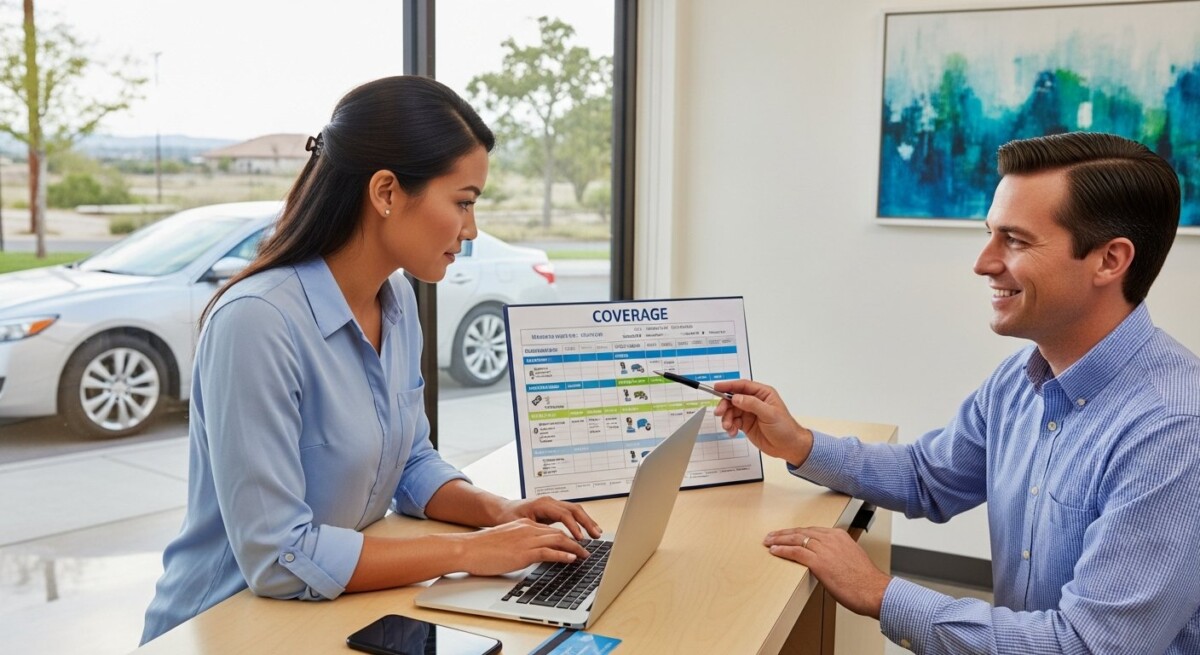
To find the best deal, compare auto insurance quotes for rental cars from several providers. Look for policies that include loss of use and administrative fees, as these are common sources of out-of-pocket expenses after an accident. Also, check the deductible. Some standalone policies have a $0 deductible, while others may require you to pay the first $250 or $500 of a claim.
Factors That Affect Rental Car Insurance Costs
Several variables influence the price of rental car insurance, whether you buy it from the rental company or a third party. Understanding these factors can help you predict costs and choose the most affordable option.
- Vehicle type and value. Luxury cars, SUVs, and exotic vehicles cost more to insure because of higher repair costs and greater risk of theft. A compact economy car will have lower insurance premiums than a full-size SUV.
- Rental duration. Daily rates for insurance are the same whether you rent for one day or a month. However, some third-party providers offer discounted weekly or monthly rates, so compare per-day and per-week pricing.
- Driver age and driving record. Younger drivers under 25 and older drivers over 70 may face higher rates due to perceived risk. Some rental companies impose surcharges for these age groups, which can affect total insurance costs.
- Location and state regulations. Insurance requirements vary by state and country. For example, rentals in New York may have different liability minimums than rentals in California. International rentals often require additional coverage that domestic policies do not provide.
- Deductible amount. A higher deductible on personal or standalone policies lowers the premium but increases your out-of-pocket cost if a claim occurs. A lower deductible offers more protection but costs more per day.
When you request auto insurance quotes for rental cars, provide accurate information about the vehicle type, rental duration, and your driver profile. This ensures the quotes you receive are realistic and comparable. Many comparison websites allow you to adjust these variables to see how they affect pricing.
Steps to Get and Compare Rental Car Insurance Quotes
Follow this step-by-step process to find the best rental car insurance coverage at the lowest price.
- Review your personal auto policy. Contact your insurance agent or check your policy documents to confirm whether you have coverage for rental cars. Note your deductibles and any exclusions, such as for luxury vehicles or long-term rentals.
- Check your credit card benefits. Log into your credit card account or call the issuer to confirm the type of coverage provided, whether primary or secondary, and any vehicle or location restrictions.
- Gather quotes from third-party providers. Visit websites like RentalCover.com, Allianz Travel Insurance, and InsureMyRentalCar. Enter the rental dates, vehicle type, and your age to receive quotes. Compare the coverage limits, deductibles, and exclusions.
- Get a quote from the rental company. When you book the car, the rental company will display the daily rates for LDW, SLP, and other coverages. Record these rates to compare with your other options.
- Calculate the total cost. Multiply the daily insurance rate by the number of rental days. Add any one-time fees. Then compare the total cost of each option, including the coverage provided by your personal policy and credit card.
- Decide which coverage to accept. Based on your comparison, choose the option that offers the best balance of protection and cost. If your personal policy and credit card provide adequate coverage, you may decline all rental company insurance.
For a broader perspective on gathering competitive rates, you can also review our guide on how to get and compare State Farm auto insurance quotes, which includes tips for evaluating multiple offers and understanding policy nuances that apply to rental cars as well.
Common Mistakes to Avoid When Buying Rental Car Insurance
Even experienced travelers make errors when purchasing rental car insurance. Avoiding these pitfalls can save you money and prevent gaps in coverage.
One frequent mistake is assuming that your personal auto insurance automatically covers rental cars in all situations. As mentioned earlier, some policies exclude certain vehicle types or limit coverage to domestic rentals only. Always verify with your insurer before you travel. Another common error is double-covering. If you buy the LDW from the rental company while your personal policy already covers rentals, you are paying for duplicate protection. This is an unnecessary expense that can cost $10 to $30 per day.
Some renters also overlook the fine print in credit card benefits. For example, many cards require you to decline the rental company’s LDW and use the card to pay for the entire rental. If you accept the LDW at the counter, the credit card coverage becomes void. Additionally, credit card coverage may not apply to rentals longer than 15 or 30 days, so check the terms for extended trips.
Finally, do not skip insurance entirely to save a few dollars. If you are involved in an accident without coverage, you could be liable for the full cost of repairs, towing, loss of use, and administrative fees. A single claim can easily exceed $5,000, making insurance a wise investment for most renters.
Frequently Asked Questions
Do I need rental car insurance if I have full coverage on my own car?
Most full-coverage personal auto policies extend collision and comprehensive to rental cars, but they may not cover loss of use or administrative fees. Review your policy or call your agent to confirm. If your policy covers these extras, you do not need additional insurance.
Is rental car insurance cheaper at the counter or online?
Third-party standalone policies purchased online are almost always cheaper than buying insurance at the rental counter. Online rates are typically $5 to $15 per day, while counter rates range from $10 to $30 per day. However, compare coverage details carefully, as some online policies have higher deductibles or exclude certain types of damage.
Does my credit card cover rental car insurance internationally?
Some credit cards cover international rentals, but many exclude certain countries, such as Italy, Ireland, and Israel. Check your card’s benefit guide before traveling. For international rentals, standalone travel insurance policies often provide more comprehensive coverage.
Can I get auto insurance quotes for rental cars if I have a poor driving record?
Yes, but you may pay higher rates. Third-party providers and rental companies typically do not check your driving record for LDW or SLP coverage. However, if you rely on your personal auto policy, your driving record will affect your premiums and coverage eligibility.
What should I do if the rental car is damaged?
First, ensure everyone is safe and call the police if necessary. Document the damage with photos and obtain a police report. Then notify the rental company and your insurance provider immediately. If you have a standalone policy, file a claim with that provider. Do not admit fault or agree to pay any fees without consulting your insurer first.
Making the Final Decision
Securing the right insurance for a rental car does not have to be complicated or expensive. By taking the time to review your existing coverage, understand your credit card benefits, and compare auto insurance quotes for rental cars from multiple sources, you can protect yourself financially without overpaying. The key is to avoid making last-minute decisions at the counter. Instead, plan ahead, gather your options, and choose the coverage that fits your specific trip and risk tolerance. For more detailed information on how to obtain accurate pricing for different scenarios, our guide on how to get accurate auto insurance quotes near you provides additional strategies that apply to both personal and rental car insurance shopping. With the right preparation, you can drive off the lot with confidence and peace of mind.