
How to Document a Car Accident Scene for Insurance
Master how to document a car accident scene for insurance with our step-by-step guide. Call (833)-275-7533 for expert help.

The moments after a car accident are chaotic, but the evidence you gather in those first few minutes can make or break your insurance claim. Without proper documentation, you risk delays, reduced payouts, or even a denied claim. This guide walks you through exactly how to document a car accident scene for insurance so you can protect your rights and maximize your recovery.
Why Documentation Matters for Your Insurance Claim
Insurance companies rely on evidence to determine fault and payout amounts. When you file a claim, the adjuster will review police reports, photos, witness statements, and medical records. If any of these are missing or inconsistent, the insurer may question your version of events. In fact, insufficient evidence is one of the most common reasons claims get delayed or undervalued.
Proper documentation does more than support your claim; it also protects you from fraudulent claims and helps ensure that all damages, including hidden injuries, are accounted for. By capturing the scene thoroughly, you create a clear narrative that leaves little room for dispute.
Step 1: Prioritize Safety and Call for Help
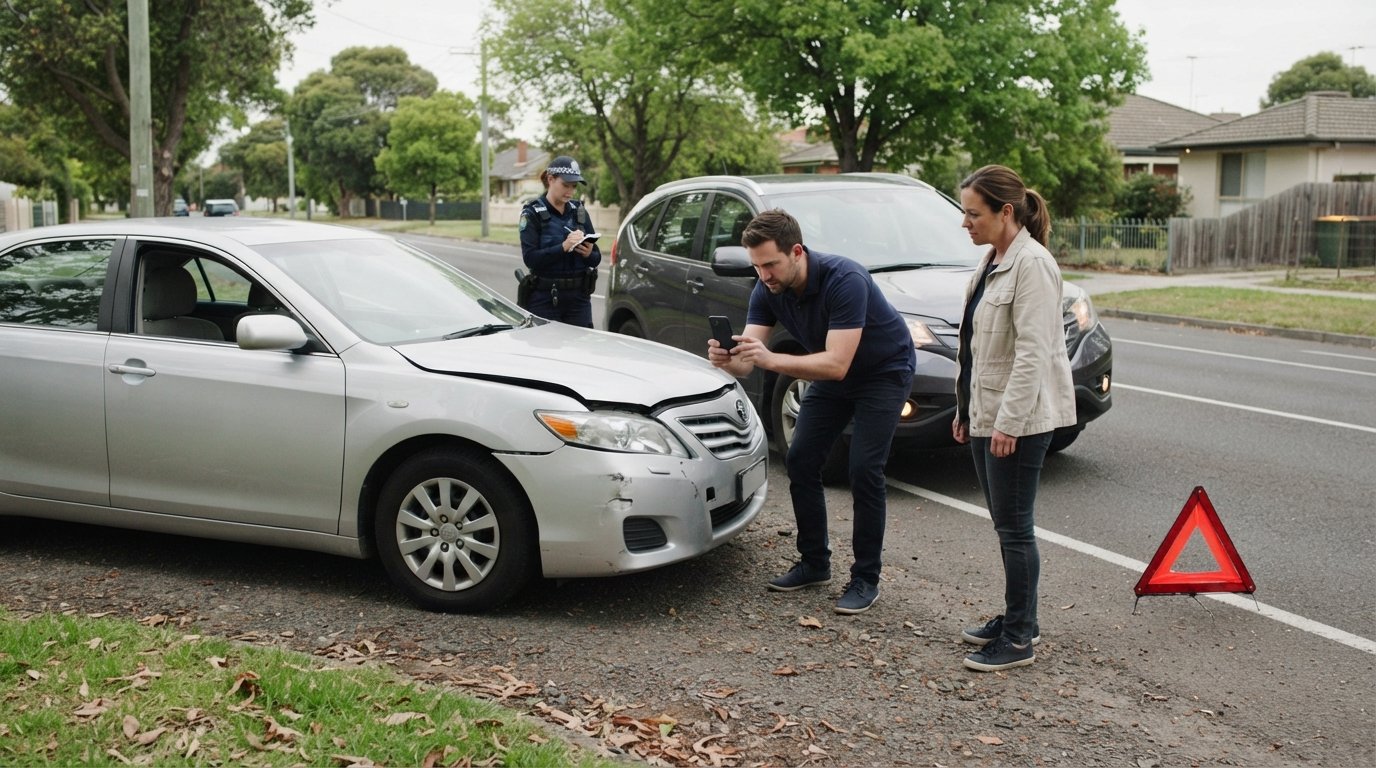
Before you document anything, make sure everyone is safe. Move vehicles to the shoulder if possible, turn on hazard lights, and set up warning triangles. If anyone is injured, call 911 immediately. Even if injuries seem minor, it is wise to have a medical professional evaluate everyone involved. Your health comes first, and a police report will often be generated from the emergency response.
Once safety is addressed, you can begin documenting. But remember: never put yourself in danger to take a photo or gather information. If the scene is unsafe, wait for law enforcement to arrive.
Step 2: Photograph and Video the Scene
Photos and videos are the most powerful tools for documenting a car accident. They provide an objective record of the damage, positions, and road conditions. Use your smartphone to capture as much as possible, but be systematic. Start with wide shots that show the overall scene, then move to close-ups.
Here is a checklist of what to photograph:
- Vehicle damage: Take close-ups of all damaged areas on every vehicle involved, including your own. Capture dents, scratches, broken lights, and deployed airbags.
- Vehicle positions: Photograph the final resting positions of the cars before they are moved. Include skid marks, debris, and any street signs or traffic signals.
- Road conditions: Snap photos of the road surface, weather conditions, and lighting. These can be crucial if weather or poor road maintenance contributed to the crash.
- License plates and VINs: Photograph the other driver's license plate and vehicle identification number (VIN) for accurate identification.
- Injuries: If visible injuries exist, photograph them (with consent if possible). Also, note any pain or symptoms you feel, even if they seem minor.
Video can be equally valuable. Walk around the scene and narrate what you see, including the time, location, and any relevant details. This creates a timestamped record that is hard to dispute.
Step 3: Exchange Information and Identify Witnesses
Exchange contact and insurance information with the other driver(s). Collect names, phone numbers, addresses, driver's license numbers, license plate numbers, and insurance company names and policy numbers. Do not discuss fault or admit guilt; simply gather facts.
Witnesses are invaluable. If anyone saw the accident, ask for their name and contact information. Eyewitness testimony can corroborate your account and strengthen your claim. Politely ask if they would be willing to provide a statement to the police or your insurer. If they agree, note their details and later follow up.
Step 4: Call the Police and Get a Report Number
In many states, you are required to call the police if the accident results in injury, death, or significant property damage. Even for minor collisions, a police report adds an official layer of documentation. When officers arrive, provide them with your account of what happened. Make sure to get the report number and the officer's name and badge number. This report will be a key piece of evidence for your insurance claim.
If the police do not come to the scene, you can file a report at the nearest station later. Most insurers ask for a police report number when you file a claim, so having it ready will streamline the process.
Step 5: Take Notes on Injuries and Symptoms
Injuries from car accidents often do not appear immediately. Whiplash, concussions, and soft tissue damage may take hours or days to manifest. After the accident, write down any symptoms you experience, no matter how minor. Include headaches, neck pain, back pain, dizziness, or numbness. Keep a daily log of your symptoms and how they affect your daily life. This record will be valuable if you need to seek medical treatment and file a personal injury claim.
Also, keep all medical records, bills, and receipts related to the accident. These documents support your claim for medical expenses and lost wages.
Step 6: Submit Evidence and Follow Up with Your Insurer
Once you have gathered all your documentation, contact your insurance company to file a claim. Provide them with a clear, chronological account of the accident and submit your photos, videos, witness statements, and police report number. Keep copies of everything you submit for your records.
Your insurer will assign a claims adjuster who will investigate. Be responsive to their requests but avoid giving recorded statements without understanding your rights. If you are unsure about anything, consider consulting a personal injury attorney. For a comprehensive checklist of what to do after a crash, see our guide on what to do after a car accident: insurance checklist.
Step 7: Use Technology to Your Advantage
Smartphone apps can help you document the scene efficiently. Many insurance companies offer apps that guide you through the process, including taking photos and submitting a claim. You can also use your phone's notes app to record details, or download a dedicated accident documentation app. Remember to back up your photos and videos to the cloud to prevent loss.
If you have a dashcam, preserve the footage. Dashcam video is objective evidence that can show exactly what happened. Even if you do not have a dashcam, check if nearby businesses or traffic cameras might have captured the incident. Request footage promptly, as many systems overwrite after a few days.
Common Mistakes to Avoid When Documenting a Car Accident
Even with good intentions, people often make mistakes that harm their claims. Avoid these pitfalls:
- Not taking enough photos: More is better. Capture wide shots, close-ups, and different angles.
- Forgetting to exchange information: Always get the other driver's insurance details.
- Admitting fault: Even if you think you were at fault, do not say so. Fault is determined by insurers and law enforcement.
- Delaying medical treatment: See a doctor promptly, even if you feel fine. Injuries can worsen.
- Not reporting to police: A police report is strong evidence. Always call if required.
By avoiding these mistakes, you build a robust case that supports your claim.
How to Organize Your Documentation
As you gather evidence, keep it organized. Create a folder (physical or digital) labeled with the accident date and claim number. Include sections for photos, witness statements, police report, medical records, and correspondence with insurers. This organization will save you time and reduce stress when dealing with your claim.
When to Seek Professional Help
If the accident involved serious injuries, disputed fault, or a low settlement offer, consider consulting an attorney. They can help you gather additional evidence, negotiate with insurers, and protect your rights. However, for straightforward claims, you can handle the process yourself with thorough documentation.
Final Thoughts
Documenting a car accident scene for insurance is not just about following a checklist; it is about protecting your financial future. The evidence you collect in the aftermath of a crash can significantly impact your claim's outcome. By taking photos, exchanging information, calling the police, and keeping detailed records, you empower yourself to navigate the insurance process with confidence.
For additional resources on auto insurance and to compare quotes from multiple carriers, visit NewAutoInsurance. Their educational guides and comparison tools can help you make informed decisions about your coverage.
Remember, the steps you take immediately after an accident can save you time, money, and stress. Stay calm, document thoroughly, and follow up diligently. Your future self will thank you.