
What to Do After a Car Accident: Insurance Checklist
A car accident insurance checklist helps you avoid claim denials and surprise bills. Call 8332757533 for free quotes and expert guidance.

By Imogen Clarke
The moment after a crash is chaotic: your heart is racing, traffic is still moving, and everyone seems to have an opinion. In that blur, the decisions you make in the first hour can shape your insurance claim for months. A structured approach keeps you safe, protects your legal standing, and gives your insurer what it needs to process a claim without delays. The checklist below breaks down exactly what to do after a car accident, from securing the scene to following up with adjusters, so you can move through the process with confidence instead of guesswork.
Step 1: Secure the Scene and Check for Injuries
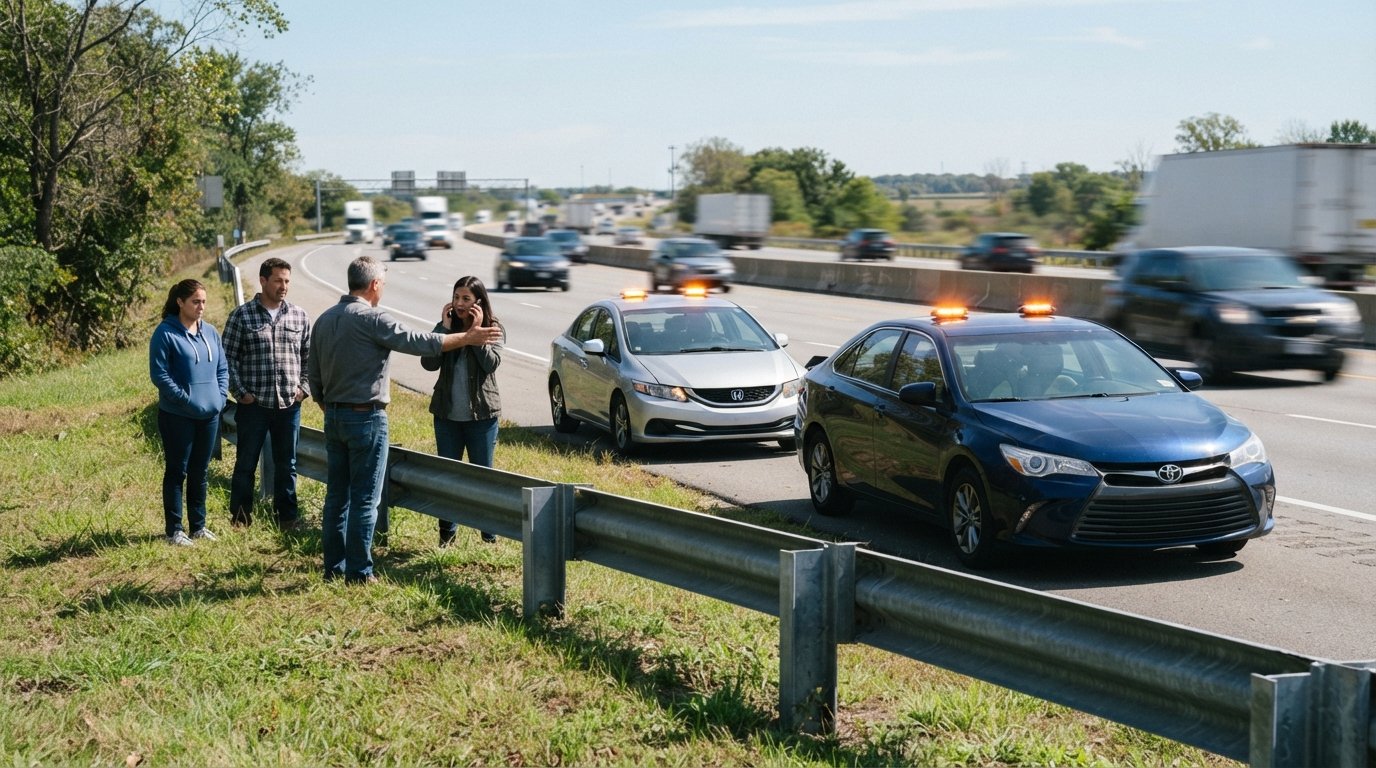
Your first priority is always safety. If vehicles are drivable, move them to the shoulder or a nearby parking lot to avoid secondary collisions. Turn on hazard lights and, if you have them, set out reflective triangles or flares. If the cars cannot move, leave them where they are and get yourself and passengers to a safe location away from traffic, such as behind a guardrail or on the sidewalk.
Once you are out of immediate danger, check yourself and others for injuries. Adrenaline can mask pain, so even if everyone says they feel fine, look for visible bleeding, confusion, or difficulty breathing. Call 911 if anyone is hurt, if the other driver appears impaired, or if the crash blocks a lane. When you speak with the dispatcher, give the exact location, number of vehicles, and a brief description of injuries. Do not hang up until they tell you it is okay to do so.
If you are unsure whether to move a vehicle, remember that most states require you to move cars out of travel lanes when they are operable and no one is seriously hurt. Leaving a drivable car in the middle of the road can lead to additional tickets and complicate fault determination. When in doubt, ask the 911 operator for guidance. This first step sets the tone for everything that follows, because a safe scene is a scene where evidence can be collected calmly.
Step 2: Exchange Information and Document Everything
After safety, information is your most valuable asset. Exchange names, phone numbers, email addresses, insurance company names, policy numbers, and license plate numbers with the other driver. If the other driver is uncooperative or leaves the scene, write down whatever you can see, including the make, model, color, and any partial plate. Do not discuss fault or apologize, even if you think you might be partly responsible. Simple statements like "I am sorry" can be used against you later.
Documentation goes far beyond the basic exchange. Use your phone to take wide shots of the scene, close-ups of damage on all vehicles, and photos of skid marks, debris, and traffic signals. Capture the other driver's license and insurance card if they allow it, but never physically take them. If there are witnesses, ask for their names and contact information, and note whether they are willing to give a statement to police or insurers.
A written record of the timeline also helps. Jot down the time, weather, road conditions, and any unusual circumstances, such as a driver running a red light or a pedestrian stepping into the road. This narrative will be useful when you file your claim and when you speak with an adjuster weeks later. For a deeper look at how state laws affect your rights and obligations, see our guide on South Carolina auto insurance laws and savings, which explains how fault and reporting rules vary.
If you have a dashcam, preserve the footage immediately. Many cameras overwrite old files, so remove the memory card or download the clip to your phone before it loops. This single piece of evidence can resolve a dispute over who caused the crash and speed up your payout.
Step 3: File the Police Report and Notify Your Insurer
Calling the police is not always mandatory for minor fenders, but it is almost always wise. A police report creates an official record of the crash, including the officer's observations and a preliminary fault determination. Most insurers ask for a report number when you file a claim, and some states require you to report any accident above a certain dollar threshold. If an officer does not come to the scene, you can usually file a report at a local station within a few days.
Next, notify your own insurance company as soon as possible. Many policies require prompt notice, and waiting can give an insurer grounds to delay or deny coverage. When you call, have your policy number, the police report number, and the other driver's information ready. Stick to the facts: where, when, and what happened. You do not need to speculate about fault or severity.
Your insurer will likely ask you to give a recorded statement. You are generally required to cooperate with your own insurer, but you can ask for time to review your notes or consult an attorney if the crash involved serious injuries. If the other driver's insurer calls, you are not obligated to give a recorded statement, and you should be cautious about doing so without legal advice. The table below summarizes who to call and when.
- Within minutes: 911 for injuries or hazards; police if the scene is unsafe.
- Within hours: Your own insurer to open a claim and get a claim number.
- Within days: The other driver's insurer if you plan to seek compensation from them.
- Within weeks: Follow up on the police report and any medical treatment.
Keep a dedicated folder, digital or physical, for every document related to the crash. This includes the police report, repair estimates, medical bills, and notes from phone calls. When an adjuster asks for something, you will know exactly where to find it, and you will avoid missing deadlines.
Step 4: Manage Medical Care and Vehicle Repairs
Even if you feel fine, see a doctor within 24 to 72 hours. Soft-tissue injuries like whiplash often take days to produce symptoms, and an early medical record links your injuries to the crash. If you skip treatment, an insurer may argue that your pain came from something else. Follow your doctor's advice, attend all appointments, and keep every receipt and explanation of benefits.
For vehicle damage, your insurer may send an adjuster to inspect the car or ask you to take it to a preferred shop. You have the right to choose your own repair facility in most states, but using a network shop can streamline the process. Get at least one independent estimate if you are unsure whether the insurer's offer is fair. Do not authorize repairs until you have a written estimate and have confirmed who will pay for what.
If your car is totaled, the insurer will pay the actual cash value, which is the replacement cost minus depreciation. You can negotiate this figure by providing receipts for recent maintenance, new tires, or upgrades. If you cannot afford a rental car out of pocket, ask your insurer whether your policy includes rental reimbursement. Many drivers are surprised to learn that this coverage is optional and must be purchased before the crash.
For a broader look at how different carriers handle claims and how to compare your options, NewAutoInsurance.com offers independent guides and comparison tools that can help you understand coverage before you need it. The site does not sell policies, but it explains how to evaluate quotes and what to ask an agent, which is useful when you are shopping for a new policy after a claim.
Step 5: Track Deadlines and Avoid Common Mistakes
Insurance claims run on deadlines. Your policy likely requires you to report an accident within a certain number of days, and your state may impose a statute of limitations for lawsuits, often two to three years from the date of the crash. Missing these windows can forfeit your right to compensation. Write down every deadline in a calendar and set reminders a week in advance.
Common mistakes can derail an otherwise valid claim. Admitting fault, even casually, gives the other side ammunition. Posting about the crash on social media can be used to contradict your injury claims. Accepting a quick settlement before you know the full extent of your medical costs can leave you paying the difference. And ignoring your insurer's requests for documentation can lead to a denial.
If the other driver's insurer denies your claim or makes a low offer, you can appeal. Start by requesting a written explanation and the basis for the decision. Then submit additional evidence, such as a second medical opinion or a repair estimate from your own shop. If that fails, you can file a complaint with your state insurance department or consult a personal injury attorney. Most attorneys offer free consultations and work on contingency, so you pay nothing unless you win.
Finally, review your own policy after the dust settles. If you were underinsured, consider adding uninsured motorist coverage or raising your liability limits. These changes cost relatively little and can prevent a financial crisis after the next crash. Comparing quotes from multiple carriers is the fastest way to find better rates, and you can do that online in minutes without any obligation.
The aftermath of a car accident is stressful, but a clear checklist turns chaos into a series of manageable steps. Secure the scene, document everything, notify the right people, and keep meticulous records. Whether you are dealing with a minor fender bender or a serious collision, the same discipline applies. And when you are ready to shop for coverage that actually protects you, start by gathering free quotes from several insurers so you can compare rates side by side.