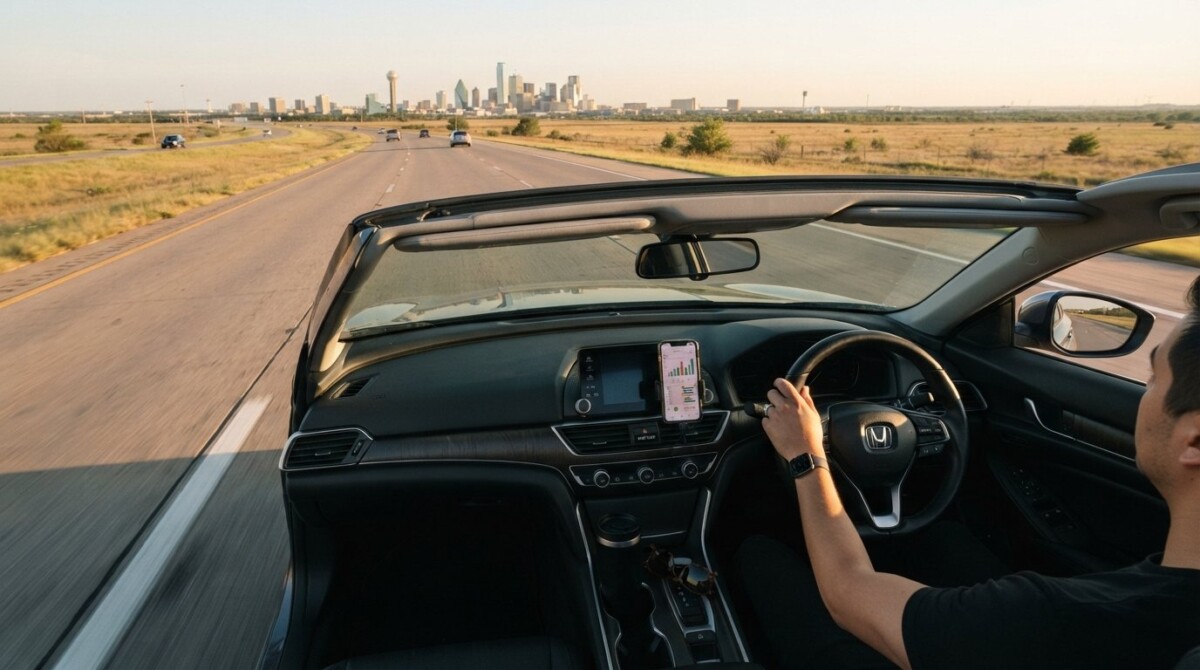
Texas roads are vast, and so is the range of auto insurance premiums you might be quoted. Whether you are a new driver in Houston, a long-time resident in Dallas, or someone just shopping for a better rate in San Antonio, finding the right coverage at a price that fits your budget requires more than a single phone call. The good news is that comparing auto insurance quotes Texas drivers rely on has never been easier, but it also has never been more complicated. Rates vary dramatically between carriers, and the cheapest option is not always the best value. This guide walks you through everything you need to know about getting accurate quotes, understanding what affects your rates, and securing the coverage that genuinely protects you without overpaying.
In Texas, the minimum liability coverage is 30/60/25, which means $30,000 per person for bodily injury, $60,000 per accident, and $25,000 for property damage. While these limits may satisfy the law, they often leave drivers exposed if they cause a serious accident. Medical bills can easily exceed $30,000, and lawsuit costs can wipe out savings. That is why many drivers choose higher limits or add collision and comprehensive coverage. But with so many options, how do you know what to pick? The answer starts with comparing multiple auto insurance quotes Texas has to offer and understanding what each policy truly includes. A free quote comparison platform can help you see side-by-side options from multiple carriers, which is the first step to making an informed decision.
Why Texas Auto Insurance Rates Vary So Much
If you have ever asked two friends with similar cars and driving records for their premiums, you know the numbers can be wildly different. That is because Texas auto insurance rates are influenced by a complex mix of factors, some of which you control and some you do not. Insurers use these variables to predict how likely you are to file a claim, and they price policies accordingly. Here are the primary factors that move the needle on your auto insurance quotes Texas carriers provide:
- Driving history: A clean record with no at-fault accidents or moving violations earns you the lowest rates. Tickets and crashes can raise your premium by 20% to 50%, depending on severity.
- Credit score: Texas insurers are allowed to use credit-based insurance scores. A higher score usually translates to lower premiums, while a lower score can lead to significantly higher rates.
- Location: If you live in a densely populated area like Austin or Fort Worth, you face higher risks of theft, vandalism, and accidents, so your quotes will be higher than in a rural county.
- Coverage choices: The more coverage you buy, the higher your premium. But raising your deductible can lower your cost, and dropping uninsured motorist coverage can save money, though that is risky in a state with a high rate of uninsured drivers.
- Vehicle type: A luxury SUV costs more to insure than a sedan because repairs are pricier and theft rates are higher. Safety features and anti-theft devices can earn discounts.
Understanding these factors helps you see why your auto insurance quotes Texas rates may seem high or low compared to a neighbor. It also reveals what you can change. For example, improving your credit score over time or taking a defensive driving course can lower your premium. But the quickest way to save is to shop around, because each insurer weighs these factors differently. One company may heavily penalize a single speeding ticket, while another may be more forgiving. That is why comparing quotes from multiple carriers is the single most effective strategy for lowering your cost.
How to Get Accurate Auto Insurance Quotes in Texas
To get a true comparison, you need accurate auto insurance quotes Texas insurers can provide based on your real information. Many drivers make the mistake of guessing their mileage or leaving out a minor violation, only to receive a final premium that is much higher than the initial quote. Accuracy matters because the quote you receive is what you will likely pay, assuming the information is correct. Here is a step-by-step approach to gathering reliable quotes:
- Gather your personal details: Have your driver’s license number, vehicle identification number (VIN), current odometer reading, and information about all drivers in your household who will be on the policy.
- Decide on coverage levels: Know whether you want minimum liability, full coverage, or something in between. Full coverage typically includes collision and comprehensive, which are required if you have a car loan or lease.
- List your discounts: Check for discounts you may qualify for, such as good student, safe driver, multi-policy (bundling home and auto), or low mileage. Having this list ready helps you ask each insurer for the same discounts.
- Use a comparison platform: Instead of visiting ten different insurer websites, use a service that provides multiple auto insurance quotes Texas options from one simple form. This saves time and ensures you see a broad range of rates.
- Review the details: Look beyond the price. Check the deductible amounts, coverage limits, and any exclusions. A cheap policy with a $2,000 deductible may not be a good deal if you cannot afford that out-of-pocket cost after an accident.
Once you have your quotes, compare them side by side. Look at the premium, but also consider the reputation of the insurer, their claims process, and their financial stability. A company with a low price but poor customer service could cost you more in the long run if they are slow to pay a claim. Our guide on how to compare auto insurance quotes in Texas provides a deeper look at what to examine beyond the monthly payment.
Understanding Texas Minimum vs. Full Coverage
Texas law requires all drivers to carry liability insurance, but it does not require collision or comprehensive coverage if you own your vehicle outright. That said, many drivers choose to add these protections, and lenders almost always require them for financed vehicles. When you request auto insurance quotes Texas, you will typically see two main categories: minimum coverage and full coverage.
Minimum coverage meets the legal requirement but offers little protection for you personally. If you cause an accident, it pays for the other party’s injuries and property damage, but it does nothing for your own car or medical bills. In a state where the average cost of a new car is around $48,000, that is a huge gap. Full coverage, which includes collision and comprehensive, covers your own vehicle in an accident, regardless of fault, and also protects against theft, vandalism, hail, and other non-collision events. Comprehensive is especially valuable in Texas, where hailstorms can cause thousands of dollars in damage.
The trade-off is cost. Full coverage can be 50% to 100% more expensive than minimum liability. However, the financial protection it offers can be worth it, especially if you cannot afford to replace your car out of pocket. To find the sweet spot, consider your car’s value. If it is older and worth less than $3,000, comprehensive and collision may not be worth the premium. But for a newer or financed vehicle, full coverage is a wise investment. When comparing auto insurance quotes Texas, ask each insurer for both minimum and full coverage quotes so you can see the difference and decide what fits your budget and risk tolerance.
Discounts That Lower Your Texas Auto Insurance Quotes
One of the best ways to reduce your premium without sacrificing coverage is to take advantage of discounts. Texas insurers offer a variety of discounts, but they do not always advertise them. You have to ask. When you request auto insurance quotes Texas, make sure you are being quoted with every discount you qualify for. Here are some of the most common discounts available in the Lone Star State:
- Safe driver discount: If you have no accidents or violations in the past three to five years, you can save up to 20%.
- Multi-policy discount: Bundling your auto insurance with homeowners or renters insurance can save you 10% to 20% on both policies.
- Good student discount: Full-time students under 25 with a B average or better can get up to 15% off.
- Defensive driving course discount: Completing an approved course can save you around 5% to 10% for up to three years.
- Low mileage discount: If you drive less than 7,500 miles a year, some insurers offer a discount.
- Military discount: Active duty and retired military personnel, as well as veterans, may qualify for special rates.
These discounts can stack, meaning you could combine a safe driver discount with a multi-policy discount and a defensive driving discount, potentially saving 30% or more. But remember, each insurer has its own criteria, and not all discounts are available from every company. That is why it pays to compare. A quote that includes a discount you did not ask for could be a red flag, but a quote that excludes a discount you deserve is a missed opportunity. Our article on saving without the guesswork explains how to systematically track and apply discounts to your advantage.
How to Use Online Comparison Tools Effectively
Online comparison tools have revolutionized the way drivers shop for insurance. Instead of making dozens of phone calls or visiting multiple websites, you can enter your information once and receive multiple auto insurance quotes Texas carriers are willing to offer. But not all comparison tools are created equal. To get the most out of them, you need to use them correctly.
Start by choosing a reputable platform that partners with licensed insurers and agents. Our platform, Free Auto Insurance Quotes Online, connects you with multiple carriers through a simple form, and it is completely free with no obligation. When you fill out the form, be as accurate as possible. Use your real ZIP code, your actual vehicle, and your true driving history. If you submit incorrect information, the quotes you receive may not reflect your actual premium, which can lead to frustration later.
Once you receive your quotes, do not just look at the number. Examine the coverage details. Some insurers may quote you a lower premium by reducing your coverage limits or increasing your deductible, which may not be in your best interest. The goal is to compare apples to apples. For that reason, it is helpful to know your desired coverage levels before you start. For example, if you want $100,000 in bodily injury liability per person, $300,000 per accident, and $50,000 in property damage (often written as 100/300/50), make sure each quote reflects those limits. If one insurer quotes you a lower price because they dropped your liability to 30/60/25, that is not a true comparison. Our guide to full coverage auto insurance quotes walks you through what to look for in a comprehensive policy.
After you compare, you can choose to buy a policy directly online, or you can speak with a licensed agent who can answer questions and finalize your coverage. Many people prefer the personal touch, especially if they have unique circumstances like a teen driver, a classic car, or a recent accident. An agent can also help you bundle policies and find discounts you might have missed. The key is to use the comparison tool as a starting point, not an end point. It gives you leverage and knowledge, so you are not at the mercy of a single insurer’s rate.
Common Mistakes to Avoid When Shopping for Texas Auto Insurance
Even with the best tools, drivers make mistakes that cost them money or leave them underinsured. Here are some pitfalls to steer clear of when you are evaluating auto insurance quotes Texas:
- Choosing the cheapest policy without checking the insurer’s reputation: A low price from a company with poor financial ratings or a history of denying claims is a bad deal.
- Ignoring uninsured motorist coverage: Texas has one of the highest rates of uninsured drivers in the country. If you are hit by an uninsured driver, this coverage saves you from paying out of pocket.
- Setting too low of a deductible to save on premium: A $500 deductible may sound good, but if you cannot afford that payment after an accident, you might be forced to skip a claim. Choose a deductible you can actually handle, usually $1,000 is a good balance.
- Not updating your policy when your life changes: Moving to a safer neighborhood, getting married, or retiring can lower your rates. Failing to inform your insurer means you miss out on savings.
- Forgetting to ask about payment plans: Paying your premium in full upfront can save you money, but if that is not possible, ask about installment fees and choose the plan that minimizes them.
Avoiding these mistakes requires a bit of diligence, but the payoff is significant. You could save hundreds of dollars per year while also ensuring you have the right protection. And if you are ever in doubt, a licensed agent can help you review your options. Our comparison and savings guide for Texas auto insurance offers a step-by-step action plan that helps you avoid these common errors.
Frequently Asked Questions About Texas Auto Insurance Quotes
How often should I shop for auto insurance quotes in Texas?
It is a good idea to review your policy at least once a year, or whenever you have a major life event such as moving, buying a car, or adding a driver. Rates can change, and new discounts may become available. Shopping around every 6 to 12 months ensures you are still getting a competitive rate.
Can I get auto insurance quotes in Texas without providing personal information?
You can get a rough estimate without personal details, but accurate quotes require your ZIP code, driving history, and vehicle information. Some insurers offer a general rate calculator, but to get a firm quote, you will need to provide more details. Comparison platforms like ours collect this information once and share it with multiple carriers to bring you personalized quotes.
What is the average cost of auto insurance in Texas?
The average cost for full coverage in Texas is around $2,200 per year, but this varies widely based on your city, age, driving record, and coverage choices. Minimum coverage averages closer to $700 per year. However, your personal rate could be higher or lower, which is why comparing quotes is essential.
Does my credit score really affect my auto insurance quote in Texas?
Yes, most Texas insurers use a credit-based insurance score. A lower score can increase your premium by 50% or more compared to a driver with excellent credit. If your credit is less than perfect, you can still shop around, as some insurers weigh credit more heavily than others.
Is it better to buy insurance directly from an agent or online?
Both options have advantages. Online comparison tools give you a broad view of rates quickly, while an agent can provide personalized advice and help you navigate complex situations. Many drivers use a combination: they get quotes online, then talk to an agent to confirm the best option. Our platform can connect you with licensed agents who can finalize your policy.
These questions cover the basics, but if you have a specific concern about your situation, the best move is to get personalized quotes. Insurance is not a one-size-fits-all product, and the more tailored your search, the better your outcome.
Now that you understand how auto insurance quotes Texas work, it is time to put that knowledge into action. Start by gathering your information, deciding on your coverage needs, and using a reliable comparison tool to see what multiple insurers are willing to offer you. The average Texas driver can save over $500 a year by shopping around, and with the right strategy, you could be one of them. Do not settle for the first quote you receive or assume your current policy is the best deal. The market is competitive, and your loyalty to one insurer is rarely rewarded. Take advantage of the free tools available, ask for discounts, and review your policy annually. Your wallet, and your peace of mind, will thank you.