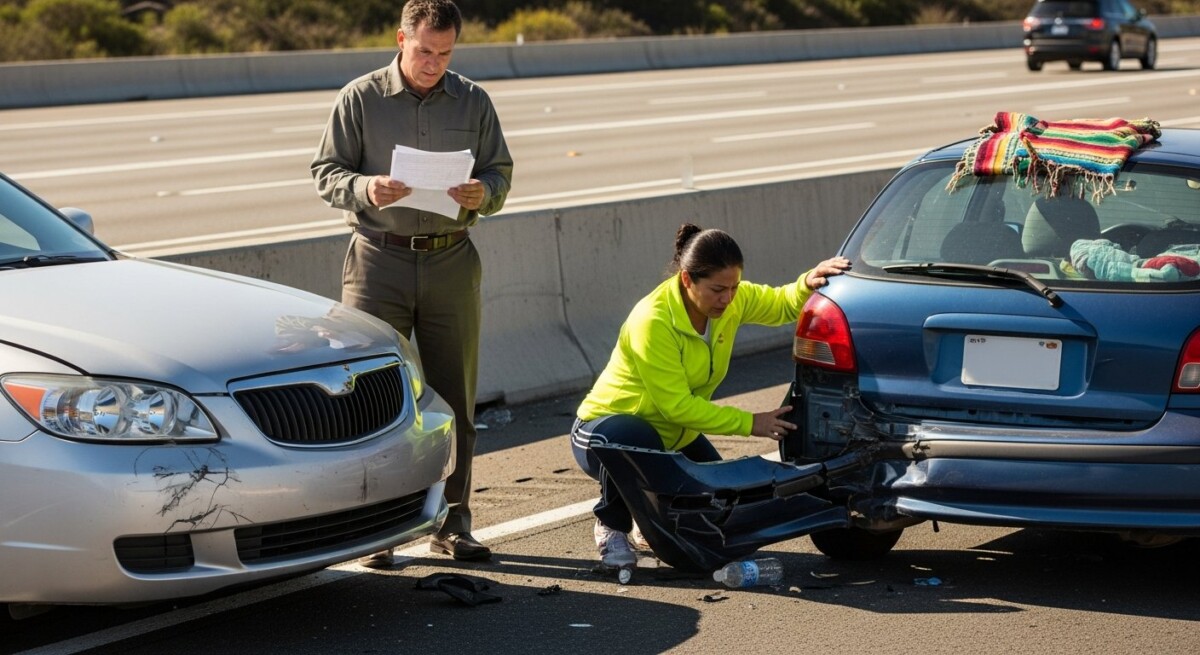
When you hear the term “full coverage auto insurance,” you might picture a policy that protects you from every possible risk on the road. However, this common phrase is not an official insurance product, but rather a shorthand for combining several key coverages that provide broad financial protection. Understanding the specific components bundled under this label is critical to ensuring you have the right defense against accidents, theft, and unexpected repair bills without assuming you’re covered for absolutely everything.
The Three Core Components of Full Coverage
Full coverage auto insurance is typically built on a foundation of three mandatory and optional coverage types. The first is liability insurance, which is legally required in almost every state. It covers injuries and property damage you cause to others. The second is collision coverage, which pays for damage to your own vehicle after an accident with another car or object, regardless of fault. The third is comprehensive coverage, which handles damage to your car from non-collision events like theft, vandalism, fire, or falling objects. Together, these coverages address the majority of common and costly risks drivers face. It is important to remember that state laws dictate your minimum liability requirements, which you can explore in detail for specific regions like those outlined in our guide on Navigating Auto Insurance in New York.
Important Optional Add-Ons for Enhanced Protection
Beyond the core trio, several additional coverages are frequently recommended to round out a truly robust policy. These are not automatically included when you request “full coverage” but are essential for closing potential gaps in your financial safety net.
Medical payments or personal injury protection (PIP) covers medical expenses for you and your passengers after an accident, regardless of who was at fault. Uninsured/underinsured motorist coverage protects you if you’re hit by a driver with no insurance or insufficient limits. Rental reimbursement pays for a temporary vehicle while yours is being repaired after a covered claim. Finally, gap insurance is crucial for those leasing or financing a new car, as it covers the difference between the car’s depreciated value and the amount you still owe on the loan if it’s totaled.
When Full Coverage Is Highly Recommended
While carrying full coverage is a personal financial decision, it becomes strongly advisable in specific circumstances. If you are leasing or financing your vehicle, your lender will almost certainly require you to carry both collision and comprehensive coverage to protect their financial interest in the asset. For newer vehicles, typically those less than five years old, the cost of repairing or replacing the car after an accident is high, making the premiums for full coverage a worthwhile investment. Furthermore, if you lack significant savings to cover a major repair or a replacement vehicle out-of-pocket, the predictable cost of an insurance premium is far more manageable than a sudden, large financial shock. State-specific factors can also influence this decision, similar to the considerations drivers must weigh in regions like Auto Insurance in Washington where conditions vary.
The Significant Gaps and Common Misconceptions
A critical mistake is assuming “full coverage” means complete coverage. Every insurance policy has exclusions and limits. Standard policies do not cover routine maintenance, wear and tear, or mechanical breakdowns. Personal items stolen from your car are typically excluded, as is using your vehicle for commercial purposes like ride-sharing without a proper endorsement. If you cause an accident while driving for a delivery service with only a personal policy, your claim will likely be denied. Furthermore, all coverages have limits. If you cause $300,000 in bodily injury but only have $100,000 in liability coverage, you are personally responsible for the remaining $200,000. Understanding these gaps is the first step in addressing them through policy adjustments or umbrella insurance.
How to Build and Customize Your Policy
Building the right full coverage policy is not a one-size-fits-all process. It requires an assessment of your assets, your vehicle’s value, and your personal risk tolerance. Start by choosing liability limits that adequately protect your net worth. A common recommendation is 100/300/100, meaning $100,000 per person for bodily injury, $300,000 per accident, and $100,000 for property damage. For collision and comprehensive, you will select a deductible, which is the amount you pay out-of-pocket before insurance kicks in. Higher deductibles lower your premium but increase your immediate cost in a claim.
To make an informed decision, consider the following key factors:
- Your Vehicle’s Current Market Value: If your car is worth less than a few thousand dollars, the cost of collision and comprehensive coverage may exceed its potential payout.
- Your Driving Habits and Location: Do you commute daily in heavy traffic or park in a high-crime area? These factors increase risk.
- Your Financial Resilience: Could you comfortably pay a $1,000 deductible tomorrow? What about a $5,000 repair bill?
- State-Specific Requirements: Some states, like Virginia, have unique insurance rules that can affect your coverage needs, as detailed in resources on Auto Insurance Virginia laws and costs.
After evaluating these points, you can work with an agent to tailor deductibles, add endorsements, and set limits that create a personalized shield. For a deeper dive into structuring the optimal policy for your situation, you can Read full article on this subject.
Frequently Asked Questions
Is full coverage required by law?
No, only liability insurance is mandated by state law. However, lenders and leasing companies require full coverage (collision and comprehensive) if you finance or lease your vehicle.
Does full coverage insurance cover a blown engine?
Typically, no. Mechanical failure due to wear and tear is not covered by standard auto insurance. This would fall under a manufacturer’s warranty or a separate mechanical breakdown policy.
Will full coverage pay off my loan if my car is totaled?
Standard collision/comprehensive will pay the car’s actual cash value at the time of the loss. If you owe more than the car is worth (are “upside down” on the loan), you will still owe the difference unless you have purchased separate gap insurance.
Should I drop full coverage on an older car?
It often becomes financially prudent to drop collision and comprehensive coverage when the annual premium exceeds 10% of your car’s market value. The decision hinges on your ability to replace the vehicle out-of-pocket.
Does full coverage apply if someone else drives my car?
Generally, yes. Insurance typically follows the car, not the driver. So if a permitted driver has an accident in your insured vehicle, your full coverage policy would be the primary payer, subject to your deductibles and limits.
Ultimately, full coverage auto insurance is a customizable package designed to provide substantial, but not absolute, protection. By moving beyond the vague label and understanding each component, you can assemble a policy that aligns with your financial landscape and driving life, turning a marketing term into a practical risk management strategy. Regularly reviewing your coverage with an agent, especially after major life changes or vehicle purchases, ensures your protection evolves with your needs.