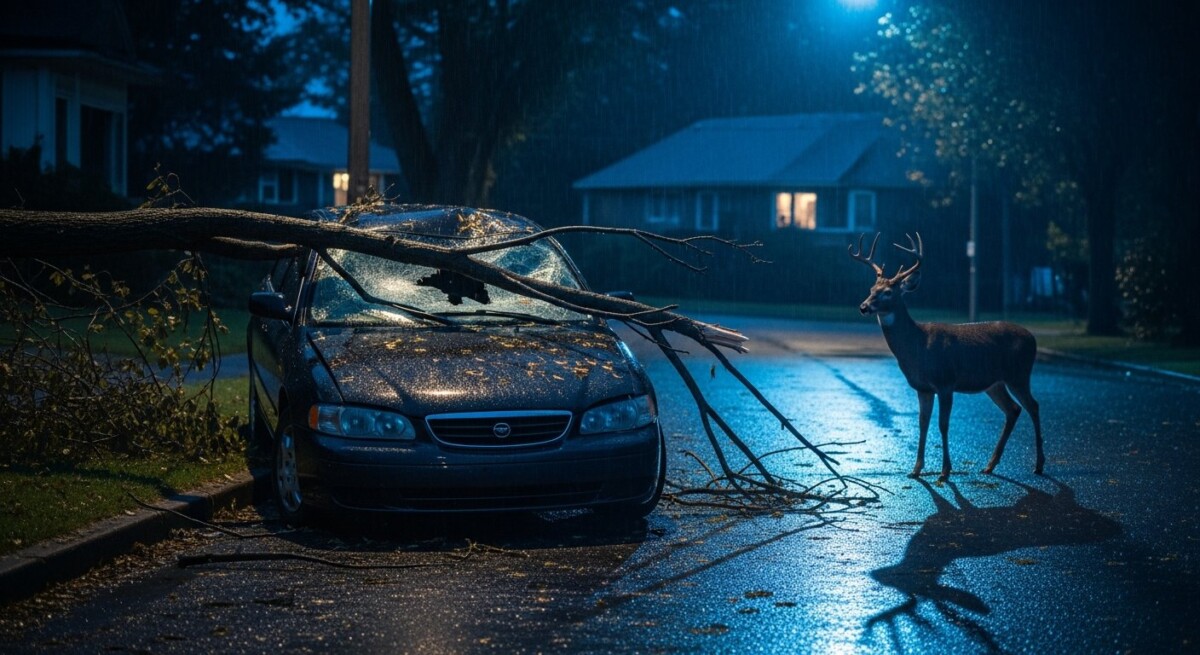
Imagine this: you park your car on a quiet street, and when you return, a tree branch has crashed through the windshield. Or a thief smashes your window and steals your laptop. Or a deer darts out of nowhere and collides with your front bumper. These events have one thing in common: they are not collisions with another car, but they can still cost thousands of dollars to repair. That is where comprehensive coverage steps in. This type of auto insurance protects you against damage that is not caused by a traffic accident, covering theft, vandalism, weather events, and animal strikes. Understanding what this coverage includes, what it excludes, and how it fits into your overall policy is essential for every driver.
At Free Auto Insurance Quotes Online, we help drivers across the United States compare rates and find policies that match their needs. In this guide, we break down everything you need to know about comprehensive coverage so you can make an informed decision. Whether you are a new car owner or reviewing your current policy, knowing the details of this coverage can save you from surprise expenses and give you peace of mind on the road.
What Is Comprehensive Coverage in Car Insurance?
Comprehensive coverage is an optional add-on to a standard auto insurance policy that pays for damage to your vehicle caused by events other than a collision with another car or object. Insurance companies often call it “other than collision” coverage. It handles a wide range of perils, including fire, theft, vandalism, falling objects, hail, flood, earthquakes, and hitting an animal. If your car is stolen, comprehensive coverage reimburses you for the vehicle’s actual cash value up to your policy limit, minus your deductible.
This coverage is not required by state law, but lenders and lessors almost always require it if you are financing or leasing a vehicle. Even if you own your car outright, adding comprehensive protection can be a smart financial move, especially if your vehicle has significant value. Without it, you would have to pay out of pocket for repairs or replacement after a non-collision event. For many drivers, the relatively low cost of comprehensive coverage makes it a worthwhile investment.
What Does Comprehensive Coverage Typically Cover?
Comprehensive insurance covers a broad set of risks that are outside your control. Understanding the specific events included helps you evaluate whether this coverage is right for you. Below are the most common perils covered by a standard comprehensive policy.
- Theft: If your entire vehicle is stolen, comprehensive coverage pays for its actual cash value minus your deductible. It also covers damage caused during a theft attempt, such as a broken window or damaged steering column.
- Vandalism: Graffiti, key scratches, slashed tires, or broken windows resulting from malicious acts are covered.
- Weather Events: Hail damage, flooding, hurricane-force winds, lightning strikes, and tornado damage are all included.
- Falling Objects: Tree branches, debris from construction sites, or other objects that fall onto your car are covered.
- Animal Collisions: Hitting a deer, elk, dog, or other animal is covered under comprehensive, not collision, because it is not a collision with another vehicle or man-made object.
- Fire and Explosion: Damage from a vehicle fire, whether accidental or caused by arson, is included.
Each of these events can happen suddenly and without warning. For example, a hailstorm in the Midwest can leave a car with hundreds of small dents, costing thousands to repair. A comprehensive policy ensures that you are not left covering those costs alone. It is important to note that the specific wording of your policy matters, so always read the declarations page to confirm what is covered.
What Is Not Covered by Comprehensive Insurance?
While comprehensive coverage is broad, it has clear exclusions. Knowing these limitations helps you avoid gaps in your protection. The most common exclusions include:
- Collision with Another Vehicle or Object: If you hit another car, a guardrail, a telephone pole, or a building, that damage falls under collision coverage, not comprehensive. The same applies if another driver hits your parked car.
- Mechanical Breakdown or Wear and Tear: Engine failure, transmission problems, or routine maintenance issues like brake pad replacement are not covered by comprehensive insurance. These require a separate mechanical repair plan or warranty.
- Personal Belongings Inside the Vehicle: If someone steals your laptop, phone, or sunglasses from inside the car, comprehensive coverage does not reimburse you for those items. Your renters or homeowners insurance typically covers personal property stolen from your vehicle.
- Damage from a Road Hazard: Hitting a pothole or running over a curb that damages your suspension or tires is usually considered a collision event, not comprehensive.
- Intentional Damage by the Policyholder: If you deliberately damage your own car, the claim will be denied.
Understanding these exclusions helps you decide whether you need additional coverage. For instance, if you frequently drive on rough roads, collision coverage might be more relevant than comprehensive. If you carry expensive equipment in your car, a personal articles floater on your homeowners policy could be wise.
Comprehensive vs. Collision: What Is the Difference?
Many drivers confuse comprehensive and collision coverage because both pay for damage to your own vehicle. The key difference lies in the cause of damage. Collision coverage pays for damage resulting from a collision with another vehicle or object, regardless of who is at fault. Comprehensive covers everything else: theft, weather, animals, and falling objects.
To put it simply, if you crash into a tree, collision coverage applies. If a tree falls on your parked car, comprehensive coverage applies. If you hit a deer, comprehensive applies. If another car hits your car, collision applies (or the other driver’s liability insurance). These two coverages often work together. For example, if you are in a multi-car accident, collision pays for your repairs, and comprehensive would cover a hailstorm that damages your car while it sits in the body shop.
Most lenders require both comprehensive and collision coverage on financed vehicles. For older cars with low market value, dropping both may save money, but you risk paying for repairs out of pocket. A common rule of thumb is to drop comprehensive and collision when your annual premium for both exceeds 10% of your car’s current value. However, every situation is different, and comparing quotes from multiple carriers can help you find the right balance.
How Much Does Comprehensive Coverage Cost?
The cost of comprehensive coverage varies widely based on your location, vehicle, driving history, and the insurance company. On average, comprehensive adds about $100 to $200 per year to your premium, though rates can be higher in areas prone to theft or severe weather. Your deductible choice directly affects the price: a higher deductible lowers your premium, while a lower deductible increases it.
Several factors influence your comprehensive rate. The make and model of your car matter because expensive or frequently stolen vehicles cost more to insure. Your ZIP code is also critical. Drivers in urban areas with high crime rates pay more for theft coverage, while those in regions with frequent hailstorms see higher weather-related premiums. Your credit score (where allowed) and claims history also play a role. To get the best rate, we recommend shopping around. At Free Auto Insurance Quotes Online, you can compare quotes from multiple carriers in minutes, ensuring you find a policy that fits your budget without sacrificing coverage.
Do You Need Comprehensive Coverage?
Deciding whether to add comprehensive coverage depends on your financial situation and risk tolerance. If you have a car loan or lease, the lender will require it. If you own your vehicle outright, ask yourself these questions:
- Could you afford to repair or replace your car out of pocket after a theft or hailstorm?
- Is your car’s value high enough that the annual premium is worth the protection?
- Do you live in an area with high rates of vehicle theft, vandalism, or severe weather?
- Do you frequently drive in areas with wildlife that could cause an animal collision?
If you answered yes to any of these, comprehensive coverage is likely a smart purchase. For older cars worth less than $2,000 to $3,000, the cost of comprehensive may exceed the potential payout, making it less attractive. However, even a modest claim can be expensive. For example, a single deer strike can cause $3,000 to $5,000 in damage. Weighing the premium against the potential out-of-pocket cost is the best way to decide.
Our platform helps you evaluate these trade-offs. By entering your information once, you can see quotes with and without comprehensive coverage, allowing you to compare the cost difference side by side. This transparency empowers you to choose the coverage that aligns with your needs and budget.
How to File a Comprehensive Claim
Filing a comprehensive claim is usually straightforward, but following the right steps can speed up the process and maximize your payout. Here is a step-by-step guide:
- Document the Damage: Take photos and videos of the damage from multiple angles. If your car was stolen, file a police report immediately. For vandalism or animal collisions, document the scene as thoroughly as possible.
- Protect Your Vehicle: If your car is drivable and safe, move it to a secure location. If it is not drivable, arrange for towing. Most comprehensive policies include roadside assistance or towing coverage, but check your policy details.
- Contact Your Insurance Company: Call your insurer or file a claim through their mobile app. Provide the documentation you collected, along with your policy number and a description of the incident.
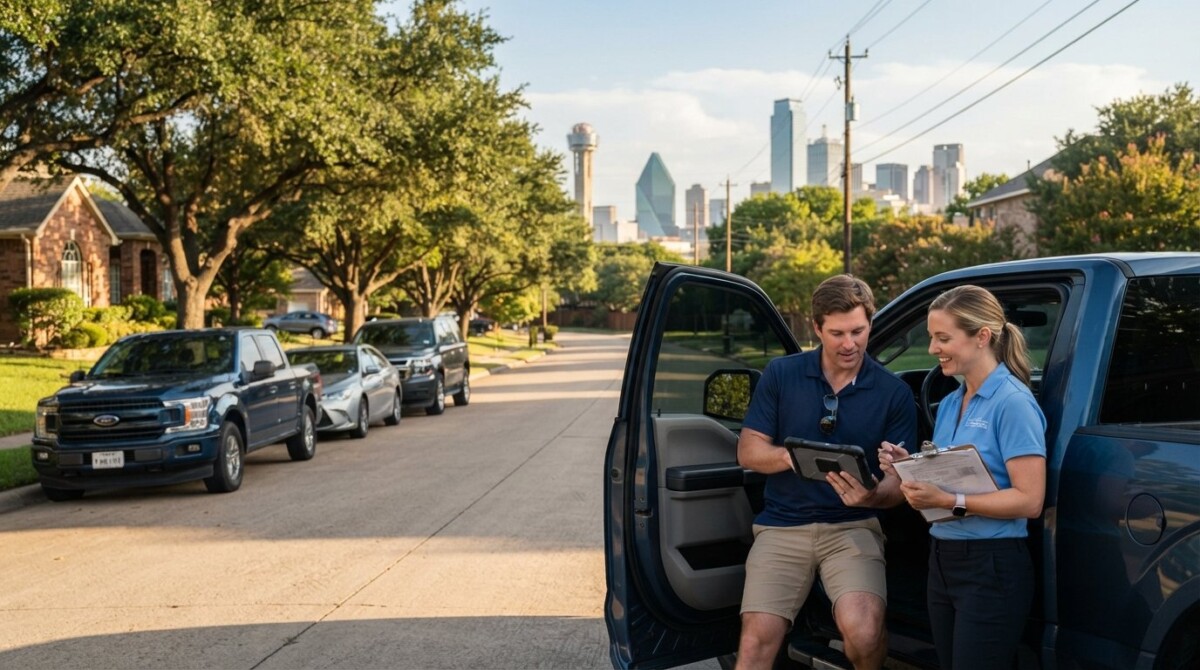
- Work with the Adjuster: An insurance adjuster will evaluate the damage and determine the repair cost or the vehicle’s actual cash value if it is totaled. You may need to take your car to an approved repair shop for an estimate.
- Pay Your Deductible: Once the claim is approved, you pay your deductible, and the insurer pays the remaining repair or replacement costs up to your policy limit.
For a detailed breakdown of the claims process, refer to our guide on AI-Powered Car Insurance Fraud Detection to understand how modern technology helps insurers process claims accurately. Remember that comprehensive claims are typically not considered at-fault accidents, so they usually do not cause your rates to increase. However, multiple claims in a short period can still affect your premium.
Frequently Asked Questions
Does comprehensive coverage cover a cracked windshield?
Yes, comprehensive coverage typically pays for windshield damage caused by a rock chip, debris, or weather. Many policies include glass repair with a lower deductible or even a $0 deductible option. Check your policy to see if glass coverage is included.
Will my rates go up after a comprehensive claim?
Generally, comprehensive claims do not cause rate increases because they are considered not-at-fault events. However, filing multiple claims within a short period can lead to higher premiums or non-renewal. Insurers view frequent claims as a risk indicator.
Can I add comprehensive coverage at any time?
Yes, you can add comprehensive coverage to your policy at any point, not just at renewal. However, if you add it after a loss, the damage will not be covered. It is best to add coverage before an incident occurs.
Is comprehensive coverage required by law?
No state requires comprehensive coverage by law. Only liability insurance is mandatory. But if you finance or lease your vehicle, the lender will require both comprehensive and collision coverage as a condition of the loan.
What is the difference between comprehensive and full coverage?
“Full coverage” is not a specific type of insurance but a term used to describe a policy that includes liability, collision, and comprehensive coverage. It may also include uninsured motorist coverage and other add-ons. Comprehensive is just one component of a full coverage policy.
Making the Right Choice for Your Vehicle
Comprehensive coverage is a valuable layer of protection that shields you from financial loss when the unexpected happens. From a shattered windshield after a hailstorm to a stolen car, this coverage ensures you are not left paying thousands of dollars out of pocket. While it is not mandatory for every driver, it offers peace of mind that can be especially important for newer or higher-value vehicles.
At Free Auto Insurance Quotes Online, we make it easy to compare comprehensive coverage options from top carriers. Our free, no-obligation quote tool lets you see how adding comprehensive affects your premium, so you can make an informed decision. Affordable Car Insurance for Clean Record Drivers can also help you find discounts that lower your overall cost. And if you are a low-risk driver, check out Affordable Car Insurance for Low-Risk Drivers: Save Now for additional savings opportunities.
Understanding what is comprehensive coverage in car insurance is the first step toward building a policy that truly protects you. For a broader view of your options, read our article on 5 Types of Car Insurance Explained. Take the time to review your current coverage, compare quotes, and adjust your deductible to strike the right balance between premium cost and out-of-pocket exposure. With the right comprehensive policy in place, you can drive with confidence, knowing you are prepared for life’s unexpected moments.