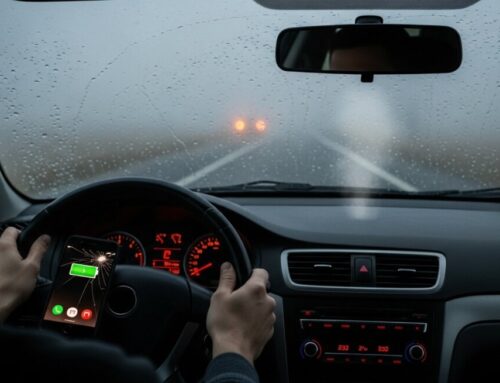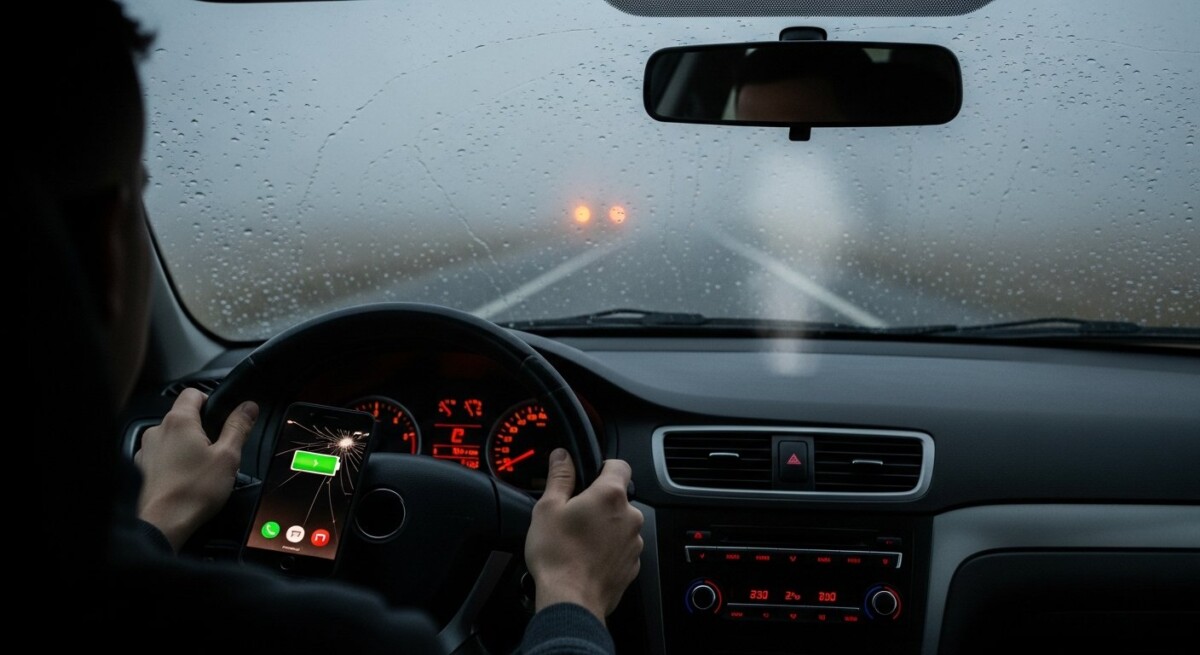
You are driving home late at night when your engine suddenly sputters and dies. You pull over to the shoulder, reach for your phone, and realize you have no idea who to call. This scenario happens to millions of drivers every year. Flat tires, dead batteries, lockouts, and empty gas tanks are not just inconveniences. They can leave you stranded for hours if you lack the right coverage. Adding roadside assistance to your auto insurance policy transforms a stressful breakdown into a quick, handled event. Instead of searching for a tow truck and paying out of pocket, you make one phone call and help arrives.
Roadside assistance is an optional add-on that most major insurers offer for a few dollars per month. It bundles services like towing, tire changes, fuel delivery, and locksmith help into one simple benefit. For drivers who commute daily, take road trips, or own older vehicles, this coverage provides peace of mind and real financial protection. But not all roadside assistance plans are the same. Some pay for towing up to a certain distance. Others include trip interruption coverage if you break down far from home. Understanding what your policy covers can save you from surprise bills when you need help most. In this article, we explain how auto insurance with roadside assistance works, what to look for in a plan, and how to choose the best option for your needs.
How Roadside Assistance Works With an Auto Insurance Policy
Roadside assistance is typically sold as an endorsement or rider to your existing car insurance policy. You pay a small additional premium, often between $5 and $15 per six-month term, and in return you gain access to a network of service providers. When you break down, you call your insurer’s claims line or a dedicated roadside hotline. The insurer dispatches a tow truck, mobile mechanic, or locksmith to your location. You pay nothing at the time of service for covered events. The insurer handles billing directly with the service provider.
Each policy sets limits on how many service calls you can make per year and how much the insurer will pay per incident. Common limits include three to five calls per year and up to $100 or $150 per call for towing. If your tow exceeds that amount, you pay the difference. Some policies also restrict the towing distance, such as covering the first 10 or 15 miles. For longer tows, you cover the extra mileage. These details matter because a single long-distance tow can cost hundreds of dollars. Knowing your policy’s limits helps you avoid unexpected charges.
One major advantage of bundling roadside assistance with your insurance is convenience. You already have a relationship with your insurer, so adding this coverage is usually a quick phone call or online click. You do not need to sign up for a separate membership like AAA. Your monthly payment stays predictable. And if you ever need to file a claim for a collision, your roadside assistance history stays in the same system, which can simplify communication. In our guide on auto insurance with roadside assistance as a smart add-on, we break down the cost-benefit analysis further.
What Services Are Typically Covered
Roadside assistance plans vary by insurer, but most include a core set of services. Understanding these services helps you evaluate whether the add-on fits your lifestyle. Below is a list of the most common covered events:
- Towing: Your vehicle is towed to the nearest qualified repair shop, usually within a set mileage limit like 10 or 15 miles.
- Flat tire change: A service provider replaces your flat tire with your spare. If you do not have a spare, some plans will tow you to a tire shop.
- Battery jump-start: If your battery is dead, a technician jumps it so you can restart your engine.
- Lockout assistance: A locksmith helps you regain entry if you lock your keys inside the vehicle.
- Fuel delivery: A small amount of gasoline or diesel is brought to you if you run out of fuel, typically enough to reach a nearby station.
Some higher-tier plans also include trip interruption coverage. If your car breaks down more than 50 or 100 miles from home, trip interruption reimburses you for lodging, meals, and rental car expenses while your vehicle is being repaired. This benefit is particularly valuable for long-distance travelers and families on vacation. Without it, an unexpected breakdown could derail your entire trip and cost you thousands in hotel and transportation costs.
It is also worth noting what roadside assistance does not cover. Routine maintenance, like oil changes or tire rotations, is never included. Damage caused by a collision is handled under your collision coverage, not roadside assistance. And if your car needs a major repair that takes days, roadside assistance typically only covers the initial tow. Ongoing rental car costs come from rental reimbursement coverage, which is a separate add-on. For a deeper look at how these coverages interact, see our article on auto insurance with roadside assistance as smart coverage.
Comparing Insurer Plans: What to Watch For
Not all roadside assistance programs are created equal. Some insurers outsource their roadside network to third-party vendors, which can lead to longer wait times or inconsistent service quality. Others invest in their own fleet of service trucks, offering faster response and better coordination. When shopping for auto insurance with roadside assistance, ask the following questions:
- How many service calls can I make per year? Standard limits range from three to five.
- What is the maximum towing distance covered? Common limits are 10, 15, or 20 miles.
- Are there any exclusions for oversized vehicles, motorcycles, or RVs?
- How do I request service? Is there a mobile app, a 24/7 hotline, or both?
- What happens if my tow exceeds the coverage limit? Will the insurer handle billing or do I pay the tow company directly?
These details directly affect your experience during a breakdown. A plan with a low towing limit could leave you paying $200 out of pocket for a long tow. A plan with a high call limit might be overkill if you rarely drive. The best plan balances cost with realistic coverage for your driving habits. For example, a commuter who drives 50 miles each way to work would benefit from a plan with a higher towing limit. A city driver who rarely travels far might prefer a cheaper plan with a lower limit.
Another factor is the insurer’s reputation for roadside service. Check online reviews and consumer satisfaction ratings. Some insurers are known for fast, friendly service. Others have a history of long wait times or disputes over coverage. If you already have a policy with a company you trust, adding roadside assistance is often the easiest route. But if you are switching insurers, compare roadside benefits alongside premium costs and other coverages. Our complete guide to auto insurance in Massachusetts offers state-specific tips that apply broadly to evaluating insurers.
Cost vs. Value: Is Roadside Assistance Worth It?
The cost of adding roadside assistance to your auto policy is usually modest. Most insurers charge between $5 and $15 per year for basic coverage. Compare that to a single tow truck ride, which can cost $75 to $150 or more. If you use roadside assistance just once in three years, you have likely broken even or come out ahead. For drivers with older cars, long commutes, or frequent road trips, the value is even higher.
But cost is not the only consideration. Some drivers already have roadside assistance through a credit card, car manufacturer warranty, or membership club like AAA. If you already have reliable coverage from another source, adding it to your insurance policy might be redundant. However, there are advantages to having it on your policy. It is tied directly to your vehicle, not to you personally. So if you drive a family member’s car or lend your car to a friend, the coverage follows the vehicle. Also, insurance-based roadside assistance often coordinates with your claim system, which can speed up the process after an accident.
On the other hand, standalone memberships like AAA offer broader benefits, such as longer towing distances, higher call limits, and discounts on hotels and travel. If you are a frequent road tripper or drive a large RV, a standalone plan might provide better value. The key is to evaluate your specific needs. If you rarely drive far or own a reliable newer car, the low cost of insurance-based roadside assistance makes it a sensible safety net. If you regularly drive long distances or own an older vehicle, a premium standalone plan might serve you better.
How to Add Roadside Assistance to Your Policy
Adding roadside assistance to your existing auto insurance policy is straightforward. You can usually do it online through your insurer’s website or by calling your agent. There is no waiting period, and the coverage typically takes effect immediately or within 24 hours. Here are the steps to follow:
- Log into your insurance account or call your agent.
- Ask about adding roadside assistance as an endorsement.
- Confirm the annual cost, service limits, and towing distance.
- Review whether the coverage applies to all vehicles on your policy or just one.
- Complete the change and keep a copy of your updated declarations page.
If you are shopping for a new policy, many insurers include roadside assistance as a checkbox option during the quote process. When comparing quotes, factor in the cost of roadside assistance alongside deductibles and liability limits. A policy that costs slightly more per month but includes generous roadside benefits might save you hundreds in the long run. For example, a policy with a $0 deductible for towing and a 20-mile limit is far more valuable than a policy with a $50 deductible and a 5-mile limit, even if the premium is a few dollars higher.
One common mistake is assuming that roadside assistance is automatically included in a standard policy. It is not. You must actively add it. If you skip this step, you will have no coverage when you break down. Some insurers offer it for free as a promotional perk for new customers, so always ask. And if you are bundling home and auto insurance, ask about discounts on roadside assistance as well. For full details on the process, read our guide on filing an auto insurance claim step by step, which includes tips on using roadside assistance effectively.
Frequently Asked Questions About Roadside Assistance
Does roadside assistance cover towing after an accident?
No. Towing after a collision is covered under your collision coverage or comprehensive coverage, not under roadside assistance. Roadside assistance is for mechanical breakdowns, flat tires, lockouts, and similar non-collision events. If you are in an accident, your insurer will arrange towing through your collision claim process.
Is roadside assistance worth it for new cars?
Many new cars come with roadside assistance from the manufacturer for a limited time, usually three to five years. If your car is still under that warranty, you may not need to add it to your insurance. However, manufacturer plans often expire, so adding it to your policy ensures continuous coverage once the warranty ends.
Can I use roadside assistance on a rental car?
Yes, in most cases. If you rent a car and have roadside assistance on your personal auto policy, the coverage typically extends to the rental vehicle. However, confirm with your insurer, as some policies only cover vehicles listed on the policy. Rental car companies also offer their own roadside assistance, which you can decline if your personal policy applies.
Will my premium increase if I use roadside assistance?
Generally, no. Roadside assistance claims are considered service calls, not insurance claims. They do not affect your premium or your claims history in most states. However, if you use roadside assistance excessively, some insurers may review your policy or require you to pay a higher premium for the add-on. Standard use of one to three calls per year is not a problem.
What if my insurer cannot reach me quickly?
Most insurers contract with national roadside networks that have local providers in every area. Wait times vary by location and time of day. In rural areas, wait times may be longer. If you need immediate help and your insurer cannot dispatch someone in a reasonable time, you can call a local tow company and request reimbursement. However, you must get prior approval from your insurer to guarantee reimbursement. Always call your insurer first.
Choosing auto insurance with roadside assistance is a small decision that can have a big impact when you are stranded on the side of the road. The peace of mind that comes from knowing help is just a phone call away is worth the modest cost for most drivers. Whether you add it to your existing policy or shop for a new one, take the time to compare coverage limits, service quality, and call allowances. That way, when your engine sputters and dies, you will know exactly what to do.
If you are ready to compare policies that include roadside assistance, we can help. Call us at 833-275-7533 to speak with a licensed agent who can review your options and find a plan that fits your budget and driving needs. Getting covered takes just a few minutes, and you will drive away knowing you are protected.