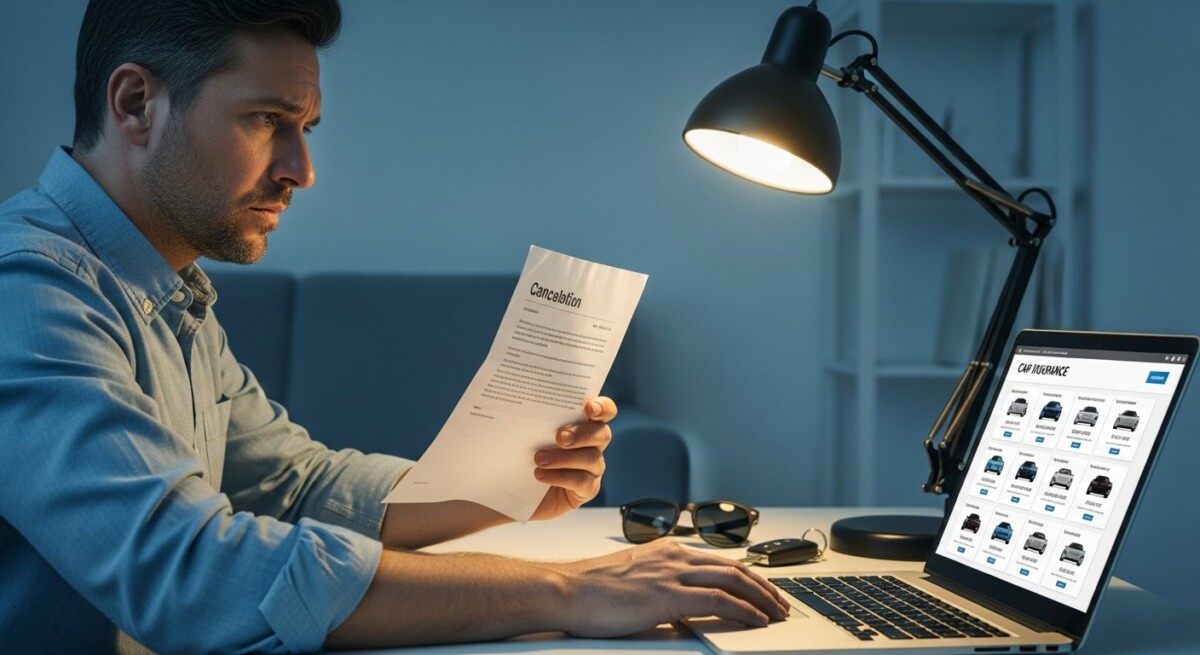
Finding out that your car insurance company has canceled your policy can feel like a crisis. You might worry about being stranded without coverage, facing a lapse in insurance history, or paying much higher rates in the future. The good news is that this situation is not the end of the road. By taking immediate, strategic steps, you can secure new coverage, minimize financial damage, and even improve your long-term insurance profile. This guide walks you through exactly what to do, step by step, so you can get back on the road with confidence.
The moment you receive a cancellation notice, your clock starts ticking. In most states, insurers must provide a written notice of cancellation (typically 10 to 30 days before the policy ends). This grace period is your window to act. Do not ignore the letter hoping it will go away. Instead, treat it as an urgent signal to understand why the cancellation happened and to find a replacement policy before your current coverage lapses. A gap in coverage, even for one day, can lead to higher premiums, difficulty getting insured, and in some states, fines or license suspension.
When you visit Free Auto Insurance Quotes Online, you can compare multiple carriers instantly. This is especially valuable when you are in a hurry to replace a canceled policy. The platform connects you with insurers who specialize in high-risk drivers, those with lapses, or drivers who have been non-renewed. You do not need to settle for the first quote. You can compare options side by side and choose coverage that fits your budget and needs.
Why Did Your Insurance Company Cancel Your Policy?
Insurance companies cancel policies for specific, legally permissible reasons. Understanding the exact cause is critical because it determines your next steps. Common reasons include non-payment of premiums, which is the most frequent cause. If you missed a payment or your automatic payment failed, the insurer has the right to cancel. Another common reason is a material misrepresentation on your application. If you failed to disclose a prior accident, a DUI, or the fact that a young driver lives in your household, the insurer can void the policy retroactively.
Other reasons include an unacceptable increase in risk. For example, if you were convicted of a serious traffic violation like reckless driving or DUI, or if you had multiple at-fault accidents in a short period, the insurer may decide you are too high-risk to keep on their books. Some policies are canceled due to fraud or suspected fraud, such as filing a suspicious claim. Finally, in some states, insurers can cancel for underwriting reasons if they decide your risk profile no longer meets their guidelines. Whatever the reason, you must know it to address it effectively.
Once you know the reason, you can decide whether to dispute the cancellation or simply move on. If the cancellation is due to an error on the insurer’s part (e.g., they mistakenly think you missed a payment when you have proof of payment), you can file a dispute. Contact your state’s Department of Insurance for guidance. If the cancellation is legitimate, your focus should shift to obtaining new coverage quickly.
Immediate Steps to Take After a Cancellation
Your first move should be to confirm the cancellation date and your last day of coverage. This information is printed on the cancellation notice. Mark it on your calendar and set a reminder. Next, call your insurer to ask if there is any way to reinstate the policy. Some companies offer a reinstatement period, especially for non-payment, if you pay the overdue amount plus a reinstatement fee within a few days. If reinstatement is possible, this is often the cheapest and fastest way to avoid a lapse.
If reinstatement is not possible, your next step is to start shopping for a new policy immediately. Do not wait until the last day. You need to have a new policy in place before the old one ends. Here are a few things to keep in mind:
- Be honest on your application. Do not hide the cancellation. Insurers will discover it through your CLUE report (Comprehensive Loss Underwriting Exchange) and your motor vehicle record. Lying can lead to another cancellation.
- Consider a non-standard insurer. These companies specialize in high-risk drivers. Their rates may be higher, but they are often more willing to insure someone with a recent cancellation.
- Ask about a deposit or partial payment. Some insurers allow you to pay a down payment and then monthly installments, which can make coverage more affordable.
After you secure a new policy, verify that your old policy is officially terminated. Sometimes, insurers continue to bill you even after cancellation. Confirm in writing that the cancellation is effective. Then, keep a copy of your new insurance ID cards in your vehicle and on your phone. You should also notify your lender if you have a car loan, as they require continuous coverage.
How a Cancellation Affects Your Insurance Rates
A policy cancellation is a red flag for insurers. It signals that you were either unable to pay (financial risk) or that you presented a higher-than-acceptable risk (driving or claims risk). As a result, your rates will almost certainly increase when you shop for new coverage. The increase can range from 20% to 100% or more, depending on the reason for cancellation and your state’s regulations. For example, a non-payment cancellation might raise your rates by 30-50%, while a cancellation due to a DUI can double or triple your premium.
However, a cancellation does not mean you are permanently stuck with high rates. Most insurers look at your driving and insurance history over the past three to five years. If you maintain a clean driving record and pay your premiums on time for a year or two, you can often qualify for lower rates again. In our guide on 5 Types of Car Insurance Explained, we break down how different coverage levels affect your premium. Understanding these options can help you choose a policy that balances cost and protection while you rebuild your insurance history.
One strategy to mitigate the rate increase is to adjust your coverage. For a year or two, consider raising your deductibles or dropping comprehensive and collision coverage if your car is older and has low value. This lowers your premium. Just be sure you can afford the higher deductible if you have an accident. You can always increase coverage later when your rates come down.
Finding Affordable Coverage After a Cancellation
Finding affordable car insurance after a cancellation requires a different approach than standard shopping. You cannot simply go to a major insurer and expect the lowest rate. Instead, you need to target companies that are willing to work with drivers who have had a cancellation. Here are the most effective channels to explore:
- Independent insurance agents. They represent multiple carriers, including those that specialize in non-standard or high-risk markets. An agent can shop your risk profile to several companies at once.
- Online comparison platforms. Sites like Free Auto Insurance Quotes Online allow you to compare quotes from several carriers in minutes. You can filter by coverage level and see which companies offer you a rate.
- State-sponsored assigned risk pools. If you cannot find coverage in the voluntary market, every state has a residual market mechanism (often called an assigned risk plan). These plans offer basic liability coverage, but rates are high. This should be your last resort.
When you get quotes, pay attention to the declarations page. Make sure the coverage limits meet your state’s minimum requirements and your lender’s requirements (if applicable). Also, check for any exclusions, such as a named driver exclusion that might prevent a household member from driving your car. If you have a young driver in your home, ask about discounts for good grades or driver training. In our post on How Students Can Get Major Car Insurance Discounts, we outline specific savings opportunities that can offset some of the rate increase.
How to Prevent a Future Cancellation
Once you have secured new coverage, your goal should be to keep it in force. Preventing a future cancellation is largely about avoiding the triggers that caused your current situation. The most common preventable cause is non-payment. Set up automatic payments from a bank account you monitor regularly. If you use a credit card, be aware that the card might expire or be declined. Check your statements monthly to ensure payments are going through.
Another crucial step is to update your insurer whenever your circumstances change. If you move to a new address, add a new driver, or change your vehicle, inform your insurer immediately. Failing to do so can be considered a material misrepresentation, which is grounds for cancellation. Also, avoid filing small claims. If you have a minor fender-bender with damage under $500, consider paying out of pocket rather than filing a claim. Multiple claims in a short period can trigger a non-renewal or cancellation.
Finally, drive safely. A single serious violation like a DUI or reckless driving is enough to get your policy canceled by many insurers. If you have a history of violations, consider taking a defensive driving course. Some insurers offer a discount for completing such a course, and it demonstrates to the insurer that you are taking steps to be a safer driver. This can help you avoid cancellation and may even lead to lower rates over time.
Your Rights as a Policyholder
You have legal rights when an insurer cancels your policy. Every state requires insurers to provide a written notice of cancellation with a specific effective date. The notice must state the reason for cancellation. In most states, the insurer cannot cancel your policy mid-term for reasons unrelated to non-payment or a material change in risk. For example, they cannot cancel because you filed a single claim, unless that claim involved fraud. They also cannot cancel based on your race, religion, or national origin.
If you believe the cancellation is unjustified, you have the right to appeal. Start by contacting your insurer’s customer service department and asking to speak with a supervisor. Explain why you think the cancellation is in error and provide any documentation you have. If that fails, file a complaint with your state’s Department of Insurance. The department will review the case and can force the insurer to reinstate the policy if they find the cancellation violated state law.
For drivers who are struggling to find coverage after a cancellation, especially those with classic or collector vehicles, specialized insurers may offer better options. Our article on 2026 Classic Car Insurance: Key Coverage Updates explains how these policies differ from standard auto insurance and why they might be more lenient with certain risk profiles. If you drive a classic car, this could be a viable path to affordable coverage.
Frequently Asked Questions
Can I drive my car after my insurance is canceled?
No. Driving without insurance is illegal in nearly every state. If you are caught, you face fines, license suspension, vehicle impoundment, and even jail time in some cases. You must have a new policy in place before you drive again.
Will a cancellation affect my credit score?
Generally, no. Insurance cancellations are not reported to credit bureaus. However, if the cancellation leads to unpaid premiums that go to collections, that collection account could appear on your credit report and hurt your score.
How long does a cancellation stay on my insurance record?
Most insurers ask about cancellations on applications for the past three to five years. Some states allow insurers to look back further. After three to five years of continuous, claim-free coverage, the impact of a cancellation diminishes significantly.
Can I get insurance with a pending cancellation?
Yes. If you have received a cancellation notice but the policy has not yet ended, you can apply for a new policy with another insurer. You must disclose the pending cancellation on your application. Some insurers will still offer you coverage, especially if the reason is non-payment and you have since paid the balance.
What if I cannot afford new insurance after a cancellation?
If you are struggling to afford coverage, consider reducing your coverage to the state minimum liability limits. You can also ask about payment plans that spread the premium over monthly installments. Some states offer low-income auto insurance programs. Finally, compare quotes from multiple carriers to find the lowest rate available to you.
Final Thoughts
Having your car insurance policy canceled is a stressful event, but it is not a permanent setback. By understanding why it happened, acting quickly to secure new coverage, and taking steps to prevent future cancellations, you can protect your driving record and your wallet. Use the resources available to you, including independent agents and online comparison platforms like Free Auto Insurance Quotes Online, to find a policy that works for your current situation. Remember, insurance companies want your business. Even after a cancellation, there are carriers willing to insure you. Stay calm, be honest, and shop around. You will find coverage and get back on the road safely.