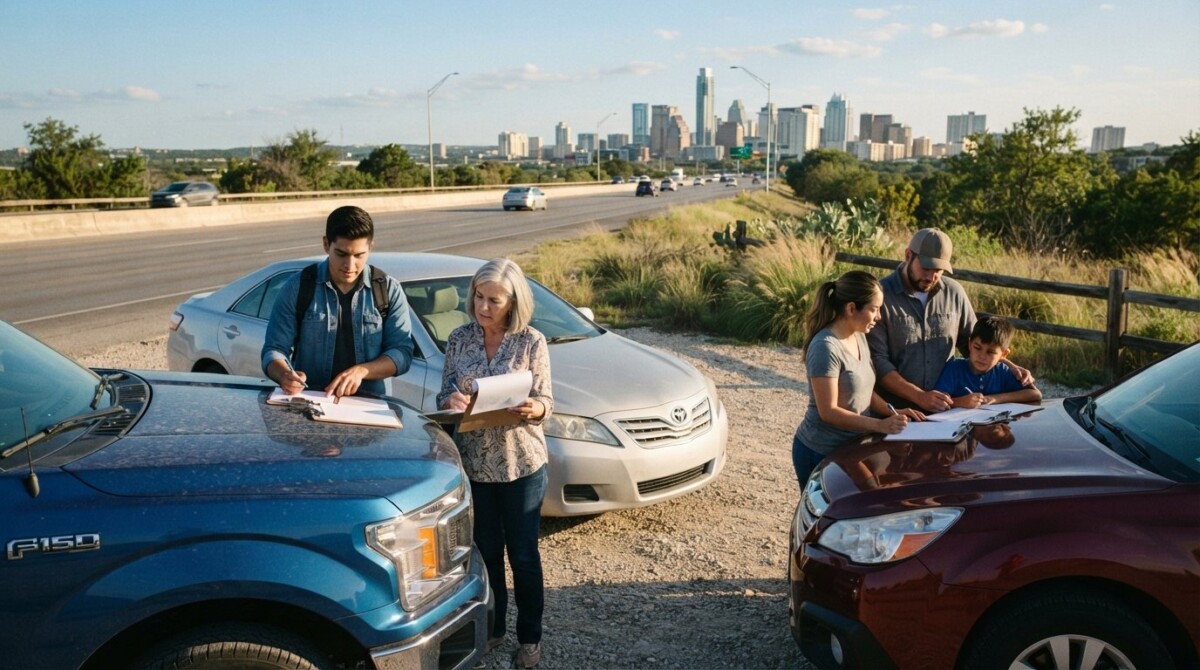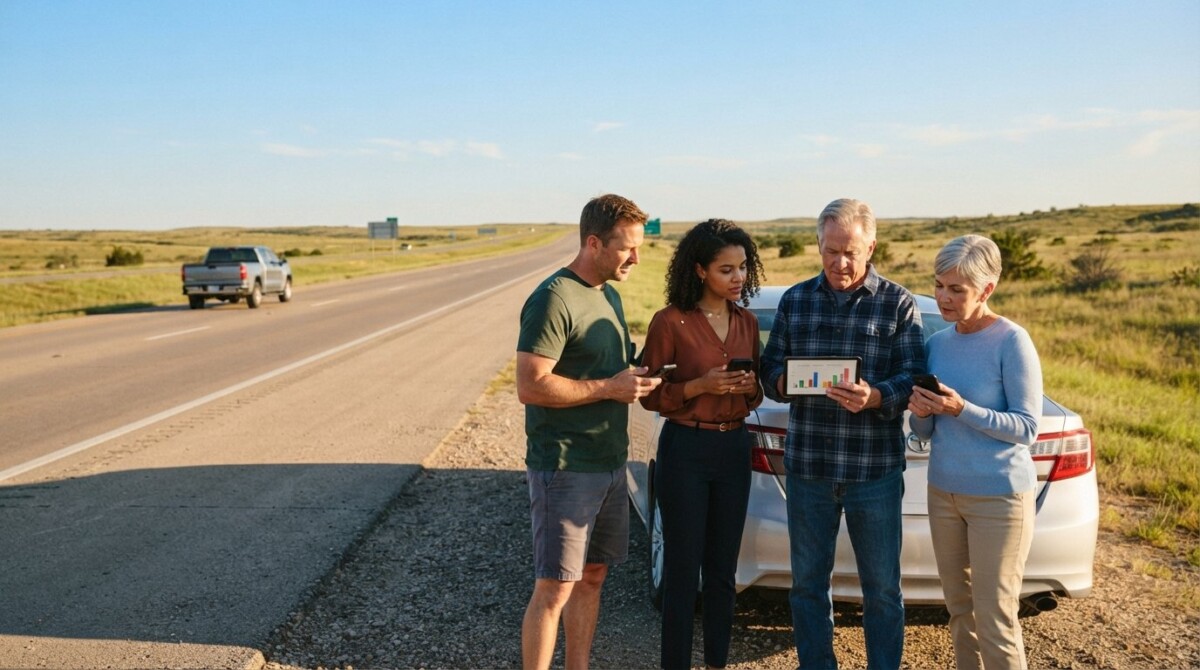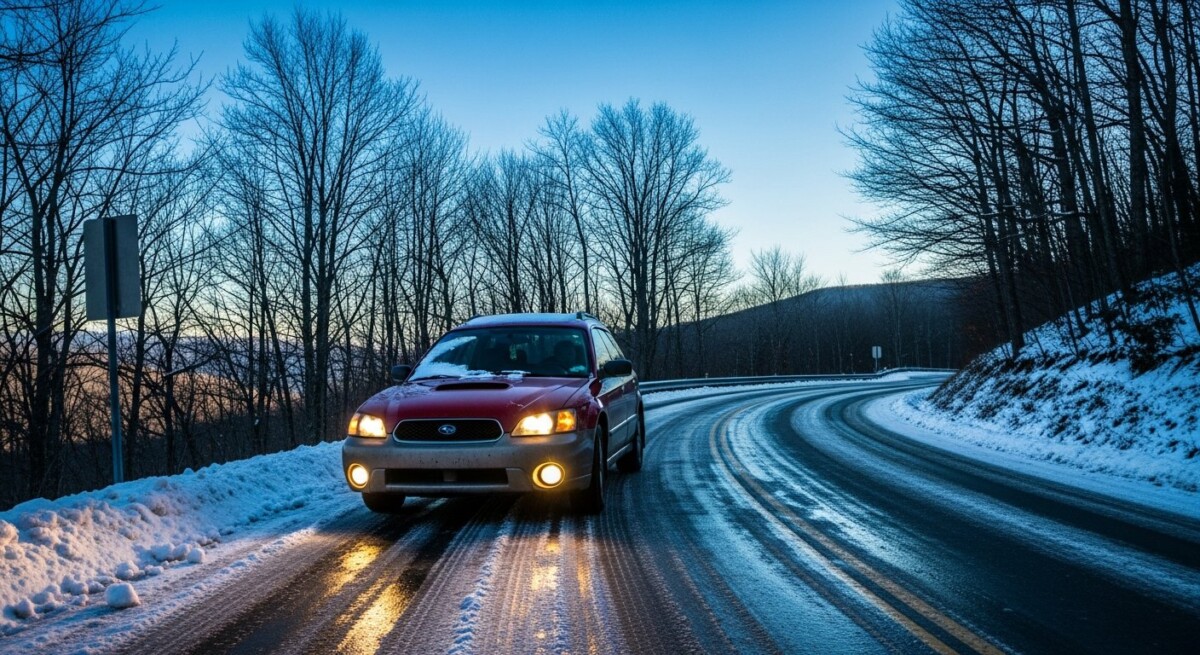
Driving in Vermont comes with its own set of challenges, from winding mountain roads to long, snowy winters. Finding the right auto insurance policy is not just a legal requirement, it is a financial safeguard. Whether you are a new driver in Burlington or a long-time resident in Montpelier, comparing auto insurance quotes Vermont is the smartest way to balance coverage and cost. The process does not have to be overwhelming. With the right approach, you can secure a policy that protects your vehicle, your wallet, and your peace of mind.
Why Vermont Drivers Need to Compare Rates
Vermont law requires all drivers to carry liability insurance, but the minimum coverage may not be enough to fully protect you. The state mandates at least $25,000 per person for bodily injury, $50,000 per accident, and $10,000 for property damage. While these limits meet legal standards, they can leave you exposed if a serious accident occurs. Medical bills and vehicle repair costs often exceed these minimums. By gathering auto insurance quotes Vermont from multiple carriers, you can evaluate options that include higher liability limits, uninsured motorist coverage, and comprehensive protection against deer collisions, which are common in the Green Mountain State.
Insurance premiums vary significantly from one company to another, even for the same driver profile. Factors such as your credit history, driving record, age, and the type of vehicle you drive all influence your rate. Shopping around allows you to see which insurer offers the best value for your specific situation. For example, a driver with a clean record might find lower rates with one carrier, while another company may offer better discounts for bundling home and auto policies. The time you spend comparing quotes can translate into substantial savings over the life of your policy.
Key Factors That Affect Your Vermont Auto Insurance Rate
Understanding what goes into your premium can help you make smarter choices when you request auto insurance quotes Vermont. Insurers use a combination of personal and geographic data to calculate risk. Here are the primary factors that impact your rate:
- Driving history: Accidents, speeding tickets, and DUIs can raise your premium significantly. A clean record earns you the lowest rates.
- Age and experience: Younger drivers, especially teens, pay higher premiums. Rates typically decrease after age 25.
- Vehicle type: Expensive cars, sports cars, and vehicles with poor safety ratings cost more to insure.
- Location: Urban areas like Burlington have higher rates due to more traffic and theft risk. Rural areas may see lower premiums.
- Credit score: In Vermont, insurers can use credit-based insurance scores. A higher score often leads to lower rates.
Each of these factors plays a role in the final price you see on a quote. Some variables, like your age or location, are outside your control. Others, such as your driving record and credit score, can be improved over time. By focusing on what you can change, you can gradually lower your insurance costs.
Coverage Options Every Vermont Driver Should Consider
When you compare auto insurance quotes Vermont, you will encounter several coverage types. Liability insurance is mandatory, but optional coverages can provide essential protection. Comprehensive coverage pays for damage from non-collision events like theft, vandalism, or hitting a deer. Given Vermont’s dense forests and wildlife population, comprehensive coverage is highly recommended. Collision coverage pays for damage to your vehicle after an accident, regardless of fault. If you have a car loan or lease, your lender will likely require both comprehensive and collision.
Uninsured and underinsured motorist coverage is another important option. Despite state laws, some drivers on Vermont roads carry no insurance or insufficient limits. If you are hit by an uninsured driver, this coverage pays for your medical bills and lost wages. Medical payments coverage, often called MedPay, can cover immediate medical expenses for you and your passengers after an accident. It works regardless of who is at fault and can be a valuable addition to your policy. For drivers with older vehicles, dropping collision and comprehensive coverage may save money, but the risks should be weighed carefully.
How to Get the Best Auto Insurance Quotes Vermont
Securing competitive rates requires a strategic approach. Start by gathering your personal information, including your driver’s license number, vehicle identification number (VIN), and current mileage. Having these details ready speeds up the quote process. Next, decide on the coverage levels you want. Knowing whether you want minimum liability or full coverage helps you compare apples to apples across different insurers.
Use a comparison platform like Free Auto Insurance Quotes Online to request quotes from multiple carriers at once. This saves time and gives you a broad view of the market. When you receive quotes, look beyond the price. Examine each policy’s deductibles, coverage limits, and exclusions. A very cheap policy may leave you with high out-of-pocket costs after a claim. Look for discounts such as multi-policy, safe driver, good student, and anti-theft device discounts. Ask each insurer which discounts apply to your situation. In our guide on Montana auto insurance quotes: compare and save, we explain how similar strategies can lower your premium in another state. The same principles apply in Vermont.
Finally, review your quotes carefully before making a decision. Check the financial strength ratings of each insurer using resources like A.M. Best or Standard & Poor’s. A low price is less valuable if the company struggles to pay claims. Choose a carrier with strong customer service ratings and a solid reputation in Vermont. For more perspective on comparing options across the country, see our analysis of compare auto insurance quotes Rhode Island rates for a look at how regional differences affect pricing.
Common Discounts Available to Vermont Drivers
Insurance companies offer a variety of discounts that can reduce your premium. Knowing which discounts exist and asking about them directly can lead to significant savings. Here are common discounts available in Vermont:
- Multi-policy discount: Bundling your auto insurance with home, renters, or life insurance often saves 10 to 25 percent.
- Safe driver discount: Maintaining a clean driving record for three to five years can earn you a lower rate.
- Good student discount: Full-time students under age 25 with a B average or better may qualify for a discount.
- Low mileage discount: If you drive fewer than 7,500 miles per year, you may get a reduced premium.
- Vehicle safety features: Cars with anti-lock brakes, airbags, and anti-theft systems often qualify for discounts.
Not all discounts are automatically applied. When you request auto insurance quotes Vermont, ask each agent or online tool which discounts you are eligible for. Some discounts stack, meaning you can combine them for greater savings. For instance, a safe driver who also bundles home and auto insurance could see a substantial reduction in their annual premium.
When to Review and Update Your Policy
Your insurance needs change over time. Major life events such as buying a new car, moving to a new town, getting married, or adding a teen driver to your policy should trigger a review of your coverage. Even if nothing changes in your life, it is wise to compare auto insurance quotes Vermont every six to twelve months. Rates fluctuate based on market conditions, and a competitor may offer a better deal than your current insurer. Loyalty does not always pay in the insurance world. Shopping around keeps your current carrier honest and ensures you are not overpaying.
If you experience a rate increase at renewal, do not simply accept it. Contact your insurer to understand why the change occurred. Sometimes an increase is due to a change in your credit score or a new claim on your record. Other times, the company raises rates across the board. In either case, getting fresh quotes from other providers gives you leverage to negotiate or switch. For drivers in northern climates, seasonal changes can also affect rates. Winter weather increases the risk of accidents and claims, so insurers may adjust premiums accordingly. If you have recently installed winter tires or added anti-theft devices, let your insurer know. These upgrades can sometimes qualify for additional discounts.
Frequently Asked Questions
What is the minimum auto insurance coverage required in Vermont?
Vermont requires liability coverage of at least $25,000 per person for bodily injury, $50,000 per accident, and $10,000 for property damage. Uninsured motorist coverage is also required with the same limits. While these minimums satisfy the law, they may not provide enough protection in a serious accident.
How can I lower my auto insurance premium in Vermont?
You can lower your premium by maintaining a clean driving record, raising your deductible, bundling policies, and asking about discounts. Comparing auto insurance quotes Vermont from multiple carriers also helps you find the most competitive rate.
Does Vermont require no-fault insurance?
No, Vermont is a traditional tort state, not a no-fault state. This means the at-fault driver’s insurance pays for the other party’s damages. You can also purchase medical payments coverage for immediate medical expenses regardless of fault.
How does my credit score affect my auto insurance rate in Vermont?
Insurers in Vermont are allowed to use credit-based insurance scores to set premiums. A higher credit score typically results in lower rates. Improving your credit score over time can help reduce your insurance costs.
Can I get auto insurance with a suspended license in Vermont?
Yes, some insurers offer policies for drivers with a suspended license, but the options are limited and premiums are higher. You may need to seek a high-risk insurance provider or a non-owner policy to maintain coverage.
For a deeper understanding of how insurance works in other states, you might find our article on Alaska auto insurance quotes: compare rates now helpful, as it covers similar considerations for drivers in extreme weather conditions. Additionally, our piece on auto insurance quotes Hawaii: compare rates in 2026 shows how location-specific factors influence coverage decisions.
Finding the right auto insurance coverage in Vermont does not have to be a chore. By understanding the state’s requirements, knowing what factors affect your rate, and comparing multiple quotes, you can secure a policy that fits your budget and protects your assets. The key is to shop around regularly and ask the right questions. With the tools available on Free Auto Insurance Quotes Online, you can start the process today and drive with confidence knowing you have made an informed choice.