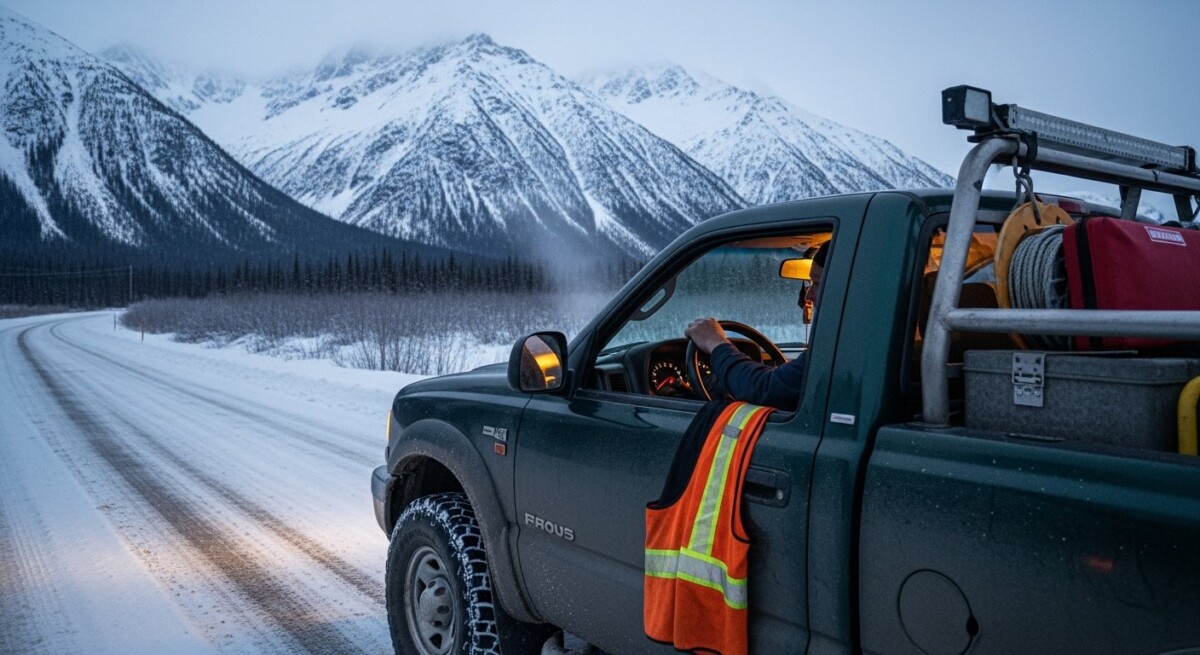
Driving in Alaska comes with unique challenges, from icy highways to remote stretches of road where help can be miles away. Whether you commute through Anchorage or navigate the rugged terrain near Fairbanks, having the right auto insurance is not just a legal requirement but a critical safety net. The process of finding affordable coverage often starts with comparing auto insurance quotes Alaska drivers rely on to balance cost with protection. But with so many carriers and coverage options available, knowing where to begin can feel overwhelming.
This guide walks you through everything you need to know about securing the best rates in the Last Frontier. From understanding state minimums to leveraging discounts unique to northern drivers, you will learn how to get the coverage you need without overpaying. By the end, you will have a clear strategy for comparing quotes and choosing a policy that fits your lifestyle and budget.
Why Alaska Auto Insurance Is Different
Alaska’s environment and driving conditions make it distinct from the lower 48 states. The state requires all drivers to carry liability insurance, but the minimum limits are lower than in many other states. As of 2025, Alaska mandates 50/100/25 coverage: $50,000 for bodily injury per person, $100,000 for bodily injury per accident, and $25,000 for property damage. While these minimums meet legal requirements, they may not provide enough protection in a serious accident, especially given the high cost of vehicle repairs and medical care in remote areas.
Another factor that sets Alaska apart is the prevalence of uninsured and underinsured motorists. According to recent data, roughly 13 percent of Alaska drivers lack insurance, which is above the national average. This makes adding uninsured motorist coverage a smart move. Additionally, the state’s harsh winters and frequent wildlife collisions mean comprehensive and collision coverage are more than optional extras; they are practical necessities for many drivers.
When you start comparing auto insurance quotes Alaska options, you will notice that rates can vary significantly based on your location. Urban areas like Anchorage typically have higher premiums due to traffic density and higher claim rates, while rural regions may see lower base rates but higher costs for add-ons like roadside assistance and towing.
How to Get the Best Auto Insurance Quotes in Alaska
Finding the best rate requires more than picking the cheapest option. You need a strategy that balances affordability with adequate coverage. Here is a step-by-step approach to getting accurate and competitive quotes.
Step 1: Gather Your Personal Information
Before you request quotes, have the following details ready: your driver’s license number, vehicle identification number (VIN), current mileage, and driving history for the past three to five years. Insurers also consider your credit score in Alaska, though some companies weigh it more heavily than others. If you have a less-than-perfect credit history, you may still find competitive rates by comparing multiple carriers.
Step 2: Decide on Coverage Levels
While the state minimum is 50/100/25, most financial experts recommend carrying at least 100/300/100 liability limits. This higher level protects your assets if you are found at fault in a serious accident. Additionally, consider adding comprehensive and collision coverage if your vehicle is worth more than a few thousand dollars. For older cars, dropping collision may save money, but keep comprehensive to guard against animal strikes and weather damage.
Step 3: Use a Comparison Platform
Instead of visiting each insurer’s website individually, use a service like Free Auto Insurance Quotes Online to compare rates from multiple carriers at once. This saves time and ensures you see a broad range of options. When you fill out a single form, you receive personalized quotes from licensed agents who understand Alaska’s specific requirements.
For a deeper understanding of how coverage needs vary by state, check out A Complete Guide to Auto Insurance in Massachusetts for Drivers. While that guide focuses on Massachusetts, the principles of comparing limits and discounts apply nationwide.
Key Factors That Influence Your Alaska Auto Insurance Rate
Several variables affect what you pay for coverage. Understanding these can help you adjust your profile or shopping strategy to lower your premium.
- Driving record: Tickets, at-fault accidents, and DUIs can raise your rate by 40 to 80 percent. Keeping a clean record is the single most effective way to keep premiums low.
- Vehicle type: SUVs and trucks, common in Alaska, often cost more to insure than sedans due to higher repair costs and theft rates. However, vehicles with advanced safety features may qualify for discounts.
- Location: Zip codes in Anchorage, Juneau, and Fairbanks typically have higher premiums than rural areas due to higher population density and claim frequency.
- Annual mileage: The more you drive, the higher your risk. Drivers with long commutes or frequent road trips pay more than those who work from home or use public transit.
- Credit history: Insurers in Alaska are allowed to use credit-based insurance scores. Improving your credit can lead to lower rates over time.
- Age and experience: Young drivers under 25 and seniors over 70 often face higher premiums. Teenagers can see rates drop after completing a driver education course.
Each factor interacts with the others. For example, a young driver with a clean record and good credit may still pay less than an older driver with multiple accidents. This is why comparing auto insurance quotes Alaska wide is essential; no two insurers weigh these factors the same way.
Discounts That Alaskan Drivers Should Not Miss
Insurance companies offer a variety of discounts, but they do not always advertise them. Asking specifically about these savings can reduce your premium by 10 to 30 percent.
Common Discounts Available in Alaska
Most major carriers provide discounts for bundling auto and home insurance, paying your premium in full, and setting up automatic payments. If you have a clean driving record for three or more years, you may qualify for a safe driver discount. Students who maintain a B average or higher can often get a good student discount, which is especially helpful for families with teenage drivers.
Alaska-specific discounts include those for completing a defensive driving course approved by the state, installing anti-theft devices, and driving a vehicle with a high safety rating. Some insurers also offer low-mileage discounts for drivers who put fewer than 7,500 miles on their car annually.
For more ways to save, especially if you are a student or a first-time buyer, read our 2026 Auto Insurance Discounts for Students: Save Big. The tips in that article apply to Alaska students as well.
Minimum Coverage vs. Full Coverage: What Should You Choose?
This is one of the most common questions drivers face. The answer depends on your financial situation, vehicle value, and risk tolerance.
Minimum coverage (liability only) is the cheapest option upfront. It pays for damages and injuries you cause to others but does not cover your own vehicle or medical bills. If you drive an older car worth less than $3,000 and have savings to cover a replacement, minimum coverage may be acceptable. However, if you cause a serious accident, you could be personally responsible for costs exceeding your policy limits.
Full coverage typically includes liability, comprehensive, and collision. It costs more but protects your vehicle from theft, vandalism, weather damage, and animal collisions. In Alaska, where moose and caribou frequently cross roads, comprehensive coverage is particularly valuable. A collision with a moose can total a vehicle and cause serious injury; without comprehensive, you would pay for repairs out of pocket.
When comparing auto insurance quotes Alaska options, ask each insurer to provide a quote for both minimum and full coverage. The price difference may be smaller than you expect, especially if you qualify for discounts on comprehensive and collision.
How to Lower Your Premium Before You Buy
You do not have to accept the first quote you receive. There are proactive steps you can take to reduce your rate before locking in a policy.
- Increase your deductible: Raising your deductible from $500 to $1,000 can lower your premium by 10 to 20 percent. Just make sure you have that amount set aside in case of a claim.
- Improve your credit score: Pay down credit card balances and correct errors on your credit report. Even a 50-point improvement can lead to better rates.
- Take a defensive driving course: Many insurers offer a 5 to 10 percent discount for completing an approved course. The class can be taken online and usually takes a few hours.
- Bundle policies: If you rent or own a home, bundle your auto insurance with a renters or homeowners policy. This often yields the largest single discount.
- Ask about usage-based insurance: Some carriers offer programs that track your driving habits via a smartphone app or device. Safe driving can earn you significant discounts.
Once you have implemented these strategies, get new quotes to see how much you can save. Even a single change can make a noticeable difference.
If you are a young driver looking for additional ways to save, our 2026 Auto Insurance Guide for First-Time Buyers offers practical advice that applies to new drivers in any state, including Alaska.
Frequently Asked Questions About Auto Insurance Quotes in Alaska
How do I get auto insurance quotes in Alaska?
You can request quotes online through comparison platforms like Free Auto Insurance Quotes Online, directly from insurance company websites, or by calling local agents. Online comparison tools allow you to see multiple rates side by side, making it easier to find the best deal.
What is the average cost of auto insurance in Alaska?
The average annual premium in Alaska is around $1,200 to $1,500 for full coverage, though rates vary widely based on your driving record, location, and vehicle. Minimum coverage policies average $400 to $600 per year.
Does Alaska require uninsured motorist coverage?
Alaska does not require uninsured motorist coverage, but insurers must offer it, and you must reject it in writing if you do not want it. Given the state’s high rate of uninsured drivers, carrying this coverage is strongly recommended.
Can I get a quote if I have a poor driving record?
Yes. Many insurers specialize in high-risk drivers. While your premium will be higher than someone with a clean record, comparing quotes from multiple carriers can still help you find an affordable option. Some companies offer accident forgiveness programs after a certain period of safe driving.
How often should I compare auto insurance quotes in Alaska?
It is a good idea to compare quotes at least once a year, or whenever you experience a major life change such as moving, buying a new car, getting married, or adding a teen driver to your policy. Rates can change, and you may find a better deal with a different carrier.
For more specific advice tailored to younger drivers, our article 2026 Auto Insurance Tips for Young Drivers covers strategies that work well for Alaskan teens and college students.
Final Thoughts on Finding the Right Policy
Securing affordable auto insurance in Alaska does not have to be a stressful process. By understanding the state’s unique requirements, knowing which factors affect your rate, and actively comparing quotes from multiple carriers, you can find a policy that offers the protection you need at a price you can afford. Start by gathering your information, deciding on coverage levels, and using a trusted comparison platform to see your options. With a little effort, you can drive the roads of Alaska with confidence, knowing you are protected no matter what comes your way.