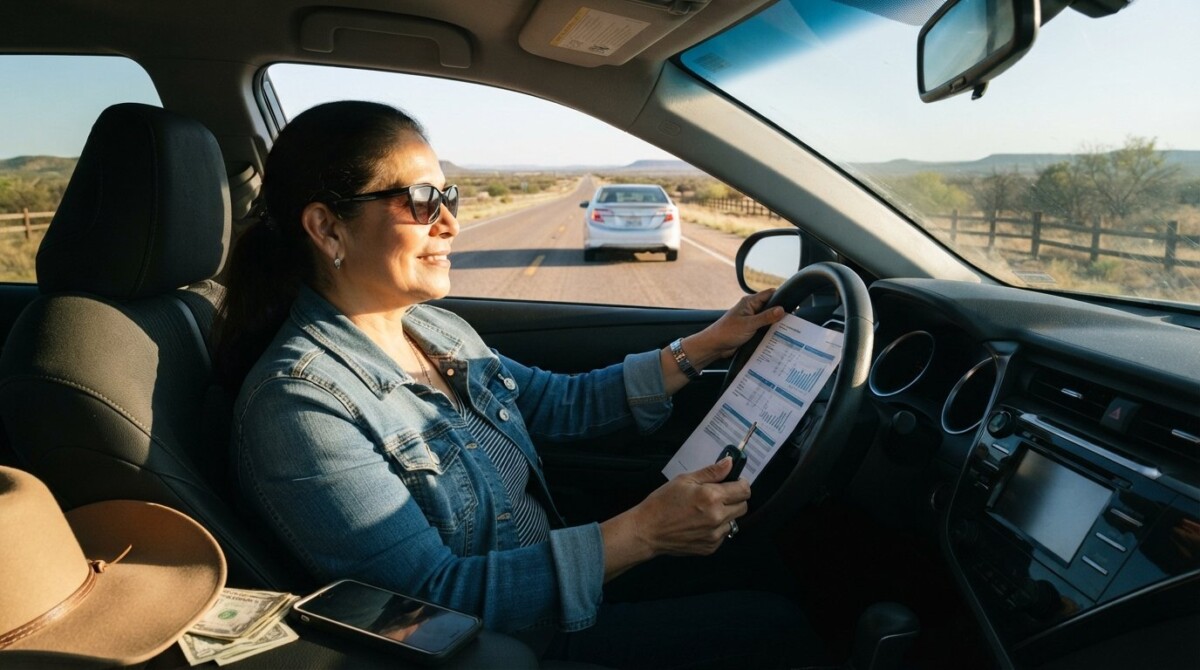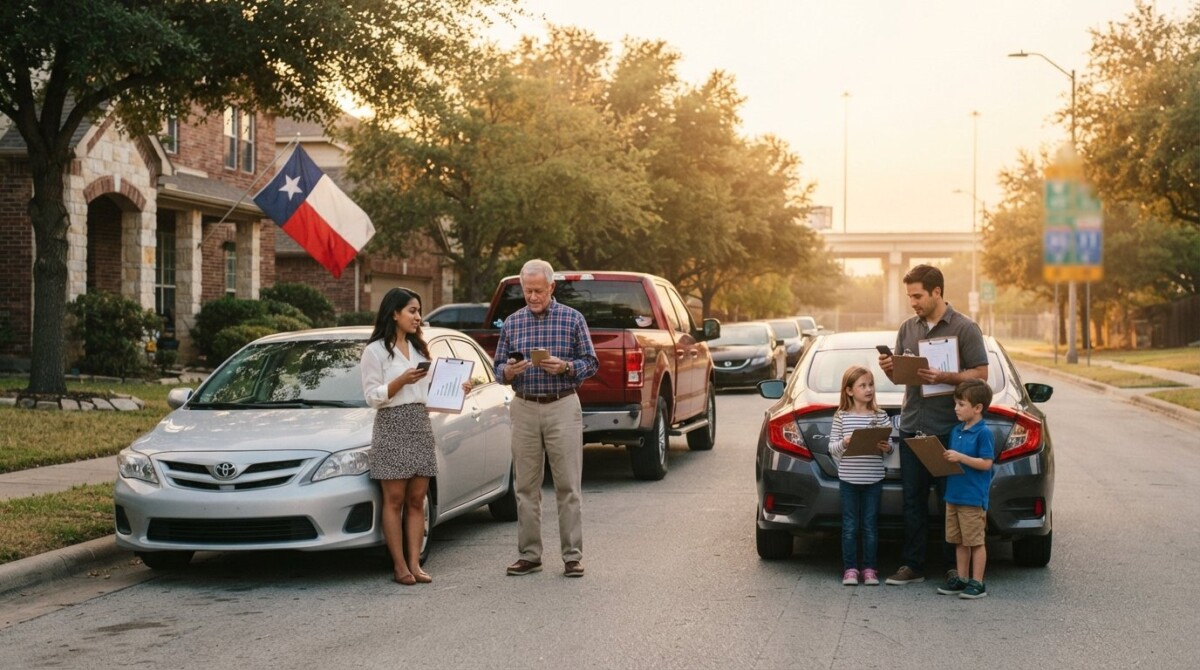
Texas roads are vast, and so is the range of car insurance premiums across the Lone Star State. Drivers in Houston might pay nearly double what drivers in rural West Texas pay for the same coverage, and rates can swing wildly based on your ZIP code, driving record, and even your credit score. That is why getting auto insurance quotes Texas drivers can trust is the first step toward avoiding overpayment. Shopping around is not just a money-saving tactic; it is a necessity in a state with some of the highest average premiums in the nation.
Many drivers make the mistake of simply renewing their existing policy without checking the market. They assume loyalty discounts will keep their rates low, but insurance carriers frequently adjust their pricing models. A carrier that was cheap for you two years ago might now be one of the most expensive options. By dedicating just 15 minutes to comparing fresh quotes, you can uncover savings that often exceed $500 per year, especially if your circumstances have changed since you last purchased a policy.
Understanding the Texas insurance landscape requires more than just looking at a price tag. You need to know the minimum liability requirements, the impact of your credit history, and the types of coverage that actually protect you in a collision. This guide will walk you through the process of securing auto insurance quotes Texas drivers need, explain the factors that influence your rates, and offer strategies to lower your premium without sacrificing essential protection.
Why Texas Car Insurance Rates Are So Unique
Texas operates under a unique insurance regulatory model that affects how rates are set. Unlike many states where regulators must approve rate increases before they take effect, Texas uses a "file and use" system. This allows insurance companies to implement rate changes immediately after filing them with the Texas Department of Insurance (TDI), provided they do not violate state guidelines. This competitive environment means carriers can react quickly to claim trends, weather events, and economic inflation, which often leads to frequent price fluctuations for consumers.
Another significant factor is the prevalence of uninsured drivers. Texas consistently ranks among the top states for uninsured motorists, with estimates suggesting that over 14% of drivers lack coverage. This statistic directly impacts your premium because insurance companies price in the risk of being hit by a driver who cannot pay for damages. Consequently, carrying Uninsured/Underinsured Motorist (UM/UIM) coverage is not just a recommendation; it is a critical financial safeguard, and it also influences the baseline cost of your policy.
Finally, severe weather and high traffic congestion contribute to higher claim frequencies. From hailstorms in the Dallas-Fort Worth metroplex to flooding along the Gulf Coast, weather-related claims drive up comprehensive coverage costs. Combined with the sprawling urban highways in cities like Austin and San Antonio, the risk profile for Texas drivers is statistically higher than the national average. This is why comparing auto insurance quotes Texas residents receive is the most effective way to find a carrier whose risk assessment aligns with your personal profile.
Minimum Coverage Requirements in the Lone Star State
Before you start comparing prices, you must understand what the law requires. Texas mandates a minimum amount of liability insurance, often referred to as "30/60/25" coverage. This translates to $30,000 in bodily injury liability per person, $60,000 in total bodily injury liability per accident, and $25,000 in property damage liability. These limits cover the costs associated with injuries or property damage you cause to others in an at-fault accident.
While these minimums are legal, they are often insufficient in practice. A single hospital stay for a broken bone can easily exceed $30,000, and the average cost of a new vehicle is well over $25,000. If you cause an accident that exceeds your policy limits, you are personally responsible for the difference. This exposes your personal assets, including your home and savings, to lawsuits. Most financial advisors recommend carrying at least $100,000 in bodily injury coverage per person and $300,000 per accident, along with $100,000 in property damage, to provide a more robust safety net.
To get a policy that fits your needs without breaking the bank, you should request quotes that include both the state minimum option and a higher-limit option. The price difference is often surprisingly small. By seeing the cost side-by-side, you can make an informed decision about your level of risk tolerance. You can use our rate comparison tools to find coverage that fits your budget while still offering adequate protection.
Key Factors That Influence Your Texas Premium
Insurance is a game of risk assessment, and Texas insurers weigh several specific variables heavily. Understanding these can help you identify which quotes are genuinely competitive and which are merely cheap for a reason. Here are the primary factors that will shape the auto insurance quotes Texas companies provide to you:
- Driving Record: Even a single at-fault accident can raise your rates by 30% to 40%. Moving violations like speeding tickets also add surcharges that typically last for three years.
- Credit History: Texas is one of the few states that heavily utilizes credit-based insurance scores. Drivers with poor credit can pay up to twice as much as those with excellent credit, even if their driving records are identical.
- Location and Mileage: Urban drivers in Harris County or Travis County face higher rates due to congestion and theft risks. Additionally, the more miles you drive annually, the higher your exposure, which increases your premium.
- Vehicle Type: The make, model, safety ratings, and repair costs of your car matter. A sports car will cost more to insure than a family sedan, and vehicles with high theft rates will see higher comprehensive premiums.
While you cannot change your vehicle or your driving history overnight, you can take steps to mitigate their impact. For instance, completing a state-approved defensive driving course can reduce your premium by up to 10% for three years. This course not only makes you a safer driver but also signals to insurers that you are a lower risk, which is a quick win for your wallet.
Your credit score is the most challenging factor to address immediately, but it is also the most impactful. If your credit has improved recently, you should request new auto insurance quotes Texas providers are offering right now. Insurers generally review your credit score at the time of quoting, so a recent improvement could unlock substantial discounts that were previously unavailable to you.
How to Compare Quotes Effectively
Simply gathering three random quotes is not enough; you need to ensure you are comparing apples to apples. When you request auto insurance quotes Texas, you must verify that the coverage limits and deductibles are consistent across all carriers. If one quote includes a $500 deductible and another includes a $1,000 deductible, the second will look cheaper, but it offers less financial protection in the event of a claim.
Start by defining a baseline coverage package. Decide on your liability limits (we recommend at least 100/300/100), your comprehensive and collision deductible, and whether you need rental reimbursement and roadside assistance. Once you have this template, submit it to multiple carriers. Here is a simple three-step process to make the comparison easier:
- Gather your documents: Have your VIN, current mileage, driver’s license numbers for all household members, and details about your current policy handy. Accurate information leads to accurate quotes.
- Use a comparison platform: Instead of visiting 10 different carrier websites, use a single service that aggregates quotes from multiple providers. This saves time and allows you to view rates side-by-side with minimal data entry.
- Scrutinize the discounts: Look for discounts related to bundling home and auto, having anti-theft devices, being a good student, or completing telematics programs. Ask each agent if you have missed any applicable discounts.
Once you have the quotes, do not just look at the monthly payment. Look at the declarations page to see the exact coverage details. A policy that costs $10 more per month but includes accident forgiveness or new car replacement could be a better value than a bare-bones policy. Remember, the cheapest policy is only the best deal if it pays out when you need it most.
For those who find the process overwhelming, using a dedicated comparison service can streamline the workflow. We have previously outlined four smart ways to save that go beyond the standard discount list, focusing on structural changes to your policy that yield long-term savings.
Common Discounts and Savings Strategies
Insurance companies in Texas are competitive, and they use discounts to attract lower-risk drivers. However, these discounts are not always applied automatically. You often have to ask for them or prove your eligibility. One of the most common mistakes is assuming that the quoted price is the final price. In reality, there is usually room to negotiate if you know what to ask for.
Beyond the standard multi-policy and multi-car discounts, look for affinity groups. Many professional organizations, alumni associations, and even credit unions have partnerships with insurance carriers that offer reduced rates to members. Additionally, if you have been with your current employer for a long time, check to see if they offer a corporate discount on auto insurance. These group discounts can often save you 5% to 10% without any change in your coverage.
Another trend gaining popularity in Texas is usage-based insurance (UBI). These programs, often accessed via a mobile app or a plug-in device, track your driving habits, including speed, braking, and time of day. Safe drivers can save significant amounts through these programs. If you have a clean record and do not drive late at night, a UBI program could be your ticket to a lower premium. However, if you have a heavy foot or frequently drive in rush hour, this might not be the best option for you.
Finally, consider increasing your deductible. This is the most direct way to lower your premium. By raising your comprehensive and collision deductibles from $500 to $1,000, you can often reduce your premium by 10% to 20%. This strategy is excellent for drivers who have sufficient savings to cover the higher out-of-pocket cost in the event of a claim and who want to save money on their monthly bill immediately.
When to Shop for a New Policy
Timing is everything in the insurance world. While you can switch policies at any time, there are specific moments when shopping for new auto insurance quotes Texas is particularly advantageous. The most obvious time is at your policy renewal. Insurers often raise rates at renewal, so receiving a notice of an increase is a red flag that you should start shopping.
Life events also trigger the need for a new quote. Moving to a new city, adding a teenage driver, getting married, or purchasing a new vehicle all change your risk profile. For example, getting married often results in a lower rate because married drivers are statistically safer. If you have recently tied the knot, you should request a new quote immediately, as you might be missing out on a significant discount.
Conversely, if you have had a negative change, such as a speeding ticket or an accident, you might want to stay with your current insurer. Many carriers offer accident forgiveness, which means your rates will not increase after your first at-fault accident. If you switch carriers after an accident, the new company will price your policy with the accident on your record, which could negate any savings from switching. As we approach 2026, Texas rates are projected to continue rising due to inflation in repair costs, so locking in a lower rate now can protect you against future increases. Reading our forecast on how to save big in 2026 can give you a strategic advantage for the coming year.
Frequently Asked Questions
How much is car insurance in Texas per month?
The average cost of full coverage car insurance in Texas is approximately $2,200 per year, or around $180 per month. However, this is just an average. Minimum liability coverage can be found for as little as $50 per month, while high-risk drivers or those with poor credit may pay over $300 per month. The specific auto insurance quotes Texas you receive will depend on your personal factors and coverage choices.
Why is my car insurance so high in Texas?
Several factors contribute to high rates, including the high rate of uninsured drivers, the frequency of severe weather events, and the state’s "file and use" regulatory system which allows carriers to adjust rates quickly. Additionally, factors like your credit score, driving record, and the cost of repairing modern vehicles with advanced technology all push premiums upward.
Can I get car insurance without a Texas driver’s license?
Yes, it is possible to get car insurance in Texas without a Texas driver’s license, but it is more difficult. Most insurers require a valid driver’s license, but some will accept a license from another U.S. state or a foreign license. You will typically need a Texas address and a vehicle that is registered in Texas. Non-citizens can also purchase insurance with a valid passport or immigration documents.
Does my credit score affect my auto insurance rate in Texas?
Yes, Texas law allows insurance companies to use your credit history to determine your insurance score. This score is a significant factor in determining your premium. Drivers with poor credit can pay nearly double the rate of drivers with excellent credit. However, insurers must also consider other factors, and some companies place more emphasis on credit than others, which is why shopping around is vital.
If you find yourself confused by the jargon or overwhelmed by the options, our team is here to help. We can guide you through the process of obtaining auto insurance quotes Texas drivers rely on, ensuring you understand every line item before you commit. To get personalized assistance and compare rates from top carriers, call us at 833-275-7533. Our licensed agents are ready to answer your questions and help you secure the coverage you need at a price you can afford.
Your Next Steps to Lower Premiums
Securing affordable car insurance in Texas does not have to be a stressful guessing game. The key takeaway is that your current premium is not set in stone. By understanding the state’s specific regulations, knowing your coverage needs, and actively comparing offers, you take control of your finances. The insurance market is dynamic, and the cheapest option last year is rarely the cheapest option this year.
Start by gathering your current policy documents and reviewing your coverage limits. Then, use a trusted comparison service to see what other carriers are offering for the same level of protection. Remember to factor in the financial stability of the insurer, not just the price. A low-cost policy from a company with poor customer service or slow claims handling can end up costing you more in the long run.
The most important step is to take action today. Whether you are a new driver, a long-time resident, or someone looking to switch carriers, the potential savings are substantial. Compare your options, leverage the discounts available to you, and drive with confidence knowing you are not paying a penny more than necessary for your auto insurance quotes Texas coverage.