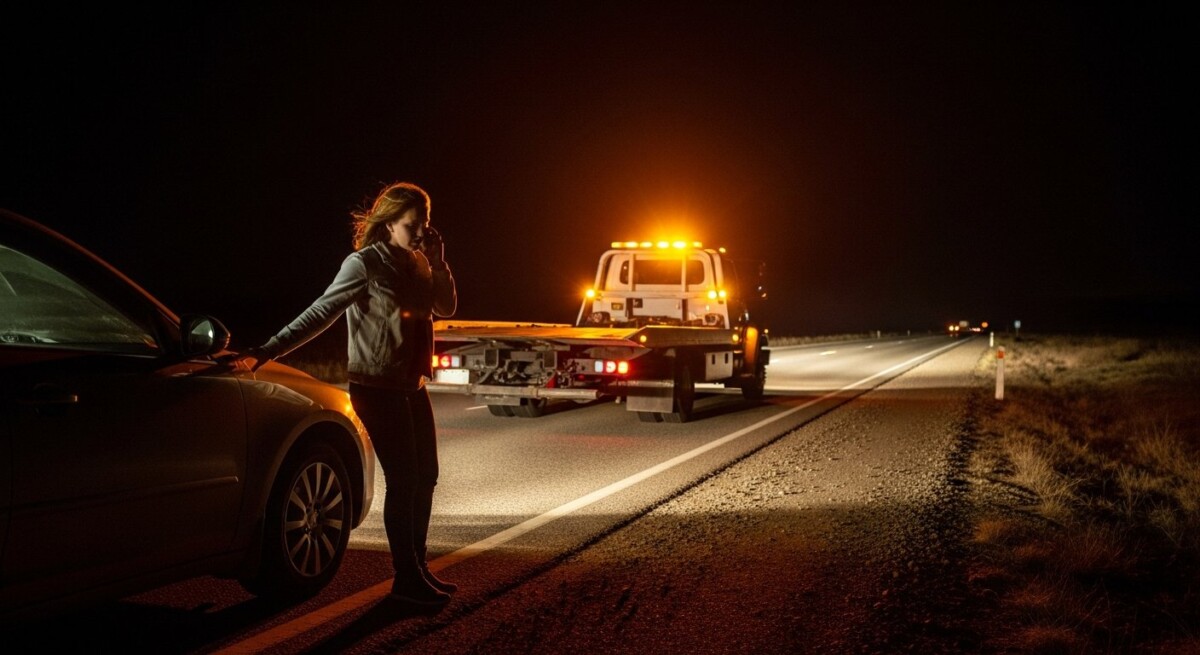
Imagine you are driving home late at night when your engine sputters and dies. You pull over to the side of a dark highway, pull out your phone, and realize you have no idea who to call. Towing services can be expensive, and a simple battery jump might cost you a hundred dollars if you pay out of pocket. This scenario is more common than most drivers expect. Flat tires, dead batteries, lockouts, and empty gas tanks happen to millions of motorists every year. That is where auto insurance with roadside assistance becomes a lifesaver. It turns a stressful roadside emergency into a simple phone call, often with little to no upfront cost. But what exactly does this coverage include, how much does it cost, and is it worth adding to your policy? This article breaks down everything you need to know about bundling roadside assistance with your auto insurance.
What Is Roadside Assistance Coverage?
Roadside assistance is an optional add-on or endorsement to a standard auto insurance policy. It provides help when your vehicle becomes inoperable or unsafe to drive due to a mechanical issue, flat tire, or other common problems. Instead of calling a random tow truck and hoping for a fair price, you call your insurance company’s roadside assistance hotline. They dispatch a certified service provider to your location. Most plans cover a set list of services, and many include a reimbursement limit for towing or labor.
In our guide on auto insurance in Massachusetts for drivers, we explain how state requirements vary. Roadside assistance is not mandated by any state, but it is widely available from most major carriers. The coverage typically applies to the insured vehicle, not the driver personally. So if you drive someone else’s car and it breaks down, your policy may not cover the tow. Always check the terms of your specific endorsement.
Common Services Included in Roadside Assistance
While coverage details vary by insurer, most roadside assistance plans include the following core services. Understanding what is covered helps you compare policies and avoid surprises when you actually need help.
- Towing: The vehicle is towed to the nearest qualified repair facility. Most policies cap towing at a certain dollar amount, such as $100 or $150 per incident.
- Battery Jump-Start: If your battery is dead, a technician will jump-start your vehicle.
- Flat Tire Change: The service provider will change your flat tire with your spare. If you do not have a spare, they may tow the car to a tire shop.
- Lockout Assistance: If you lock your keys inside the car, a locksmith will be dispatched to unlock the door.
- Fuel Delivery: If you run out of gas, a small amount of fuel (usually 2 to 3 gallons) is delivered to get you to the nearest station.
Some premium plans also cover winching (pulling a vehicle out of a ditch or mud), fluid delivery, and flatbed towing for all-wheel-drive vehicles. However, not all roadside assistance plans are created equal. Some insurers offer basic packages that limit the number of service calls per year, typically three to five. Others offer unlimited calls but with stricter distance limits on towing. Read the fine print before you assume your plan covers everything.
How Much Does Roadside Assistance Cost on an Auto Policy?
Adding roadside assistance to your auto insurance policy is surprisingly affordable. On average, it adds between $3 and $10 per month to your premium, or roughly $36 to $120 per year. Some insurers bundle it with other add-ons like rental car reimbursement or gap insurance. Others sell it as a standalone endorsement with a small annual fee.
Compare that to the cost of paying for a single tow out of pocket. A standard tow can range from $75 to $250 depending on distance and time of day. A lockout service might cost $50 to $150. A single incident can easily exceed the annual cost of the add-on. For most drivers, roadside assistance pays for itself after just one use. Additionally, adding this coverage to your existing auto insurance policy is usually simpler and cheaper than buying a separate roadside assistance membership from a third-party provider.
Auto Insurance With Roadside Assistance vs. Standalone Memberships
Many drivers wonder whether they should add roadside assistance to their auto insurance or buy a separate membership from a company like AAA or Good Sam. Both options have pros and cons. Here is a breakdown to help you decide.
When you add roadside assistance to your auto insurance, the coverage is tied to your policy. That means if you cancel your insurance or switch carriers, you lose the roadside benefit. However, the cost is low, and you have only one company to call for both claims and roadside help. The service is typically dispatched through a national network of providers, and you pay nothing at the time of service (the insurer bills the provider directly). This can be a huge relief if you are stranded without cash or a credit card.
Standalone memberships, on the other hand, are portable. You can keep them even if you change insurance companies. They often offer broader coverage, such as trip interruption benefits, RV towing, and discounts on hotels or travel. But they cost more upfront, usually $50 to $150 per year for basic plans and up to $200 for premium plans. If you only need occasional help, the auto insurance add-on is usually the better value. If you drive an older vehicle, travel long distances frequently, or own an RV, a standalone plan might offer more peace of mind.
When Does Roadside Assistance Make the Most Sense?
Roadside assistance is not for everyone, but it makes excellent financial sense for certain profiles. The following drivers typically benefit most from adding this coverage to their auto insurance.
- Drivers of older vehicles: Cars older than 10 years are more prone to breakdowns, dead batteries, and flat tires. The small monthly cost of roadside assistance offsets the higher risk of needing a tow.
- Long-distance commuters: If you drive 50 miles or more each way to work, you face greater exposure to breakdowns in unfamiliar areas. Roadside assistance provides quick access to help anywhere.
- New drivers or young drivers: Inexperienced drivers are more likely to lock keys in the car, run out of gas, or misjudge a tire condition. Having a safety net reduces anxiety on the road.
- Families with multiple vehicles: Insuring several cars on one policy and adding roadside assistance to all of them is often cheaper than buying separate memberships for each driver.
Drivers who live in urban areas with easy access to public transportation or who always carry a spare tire and know how to change it may not need roadside assistance. However, even confident drivers can face situations where they cannot fix the problem themselves, such as a blown engine or a catastrophic tire blowout. The peace of mind alone is worth the small investment for many motorists.
How to Add Roadside Assistance to Your Policy
Adding roadside assistance to your existing auto insurance policy is straightforward. You can usually do it online through your insurer’s website, over the phone, or through a licensed agent. Here are the steps to follow.
First, review your current policy to see if you already have roadside assistance. Some insurers include it automatically in comprehensive or collision packages, though this is rare. If you do not see it listed, contact your agent or log into your account. Ask for the specific terms: how many calls per year are allowed, what is the towing distance limit, and are there any exclusions (such as towing motorcycles or vehicles over a certain weight).
If you are shopping for a new policy, compare the roadside assistance options across multiple carriers. In our article on auto insurance with roadside assistance as a smart add-on, we detail how different insurers structure their benefits. Some charge a flat annual fee, while others add a small percentage to your monthly premium. Be sure to get quotes from at least three companies to find the best combination of price and coverage.
Once you have selected a policy, confirm the effective date of the roadside assistance. It usually starts on the same day as your policy. Keep the roadside assistance phone number saved in your phone or printed in your glove compartment. When you call, have your policy number, vehicle location, and a description of the problem ready. The dispatcher will send a provider and give you an estimated arrival time. Most services arrive within 30 to 60 minutes, depending on your location and traffic conditions.
What Roadside Assistance Does Not Cover
Roadside assistance is not a catch-all repair service. It covers getting you and your vehicle to a safe location or a repair shop, but it does not pay for the actual repairs. For example, if your engine overheats and a hose bursts, roadside assistance will tow your car to a mechanic, but you are responsible for the cost of the hose replacement and labor. Similarly, if you need a new battery, the service will jump-start your car but will not install a new battery for free.
Other common exclusions include:
- Off-road towing or recovery
- Vehicles that are illegally parked or involved in a crime
- Mechanical repairs beyond basic on-site fixes
- Towing for vehicles that are already in a repair shop
- Services for motorcycles, RVs, or trailers unless specifically endorsed
Understanding these limitations helps you avoid disappointment. If you drive a motorcycle or an RV, look for a policy that explicitly covers those vehicle types. Some insurers offer separate endorsements for motorcycles and recreational vehicles, while others exclude them entirely.
Frequently Asked Questions
Does roadside assistance affect my insurance rates?
No. Using roadside assistance is not a claim against your liability or collision coverage. It is a separate service benefit. Filing a roadside assistance request will not cause your premiums to increase. However, some insurers track how often you use the service. If you use it excessively (e.g., more than five times in a year), they may revoke the benefit or decline to renew the endorsement.
Can I add roadside assistance at any time?
Yes. Most insurers allow you to add roadside assistance to your policy at any point during the policy term, not just at renewal. The cost is typically prorated for the remaining months. You can also remove it if you decide you no longer need it.
Is roadside assistance the same as towing insurance?
Not exactly. Towing insurance covers only the cost of towing your vehicle to a shop. Roadside assistance is broader and includes towing plus jump-starts, tire changes, lockout help, and fuel delivery. If you only want towing, some insurers offer a separate towing endorsement that is cheaper than full roadside assistance.
Does roadside assistance cover rental cars?
Generally, roadside assistance applies to the insured vehicle listed on your policy, not to rental cars. If you rent a car, you should check whether your credit card offers roadside benefits or purchase the rental company’s roadside protection plan. However, some premium auto insurance policies extend roadside assistance to rental vehicles. Check with your agent.
Will roadside assistance work if I am out of state?
Yes. Most auto insurance roadside assistance programs operate nationwide. If you break down in another state, you call the same number, and the insurer dispatches a local provider. Coverage limits (e.g., towing distance) still apply. Always confirm that your plan includes nationwide service before you travel.
Choosing the Right Roadside Assistance for Your Needs
Deciding whether to add roadside assistance to your auto insurance comes down to your risk tolerance, driving habits, and budget. For the vast majority of drivers, the low monthly cost is well worth the security it provides. A single tow can cost more than an entire year’s worth of coverage. And when you are stranded on the side of the road, the convenience of a single phone call to your insurer can save you time, money, and stress.
Before you commit, compare the roadside assistance offerings from at least three carriers. Look at the number of service calls allowed per year, the maximum towing distance, and any exclusions. If you have a high-risk driving record, you may want to read our review of AARP auto insurance benefits for mature drivers to see how their roadside assistance compares. Similarly, if you live in a state with unique regulations, such as California, our guide on filing a California auto insurance claim can help you understand how roadside assistance integrates with the claims process.
Ultimately, auto insurance with roadside assistance is a small investment that pays big dividends when the unexpected happens. It turns a potentially expensive and stressful breakdown into a managed, low-cost event. Whether you are a new driver, a commuter, or someone who simply wants to drive with confidence, this add-on belongs on your short list of must-have coverages.
If you are ready to explore your options, start by getting free quotes from multiple insurers. Compare rates, coverage limits, and roadside assistance details side by side. With the right policy in place, you will never have to worry about being stranded again.