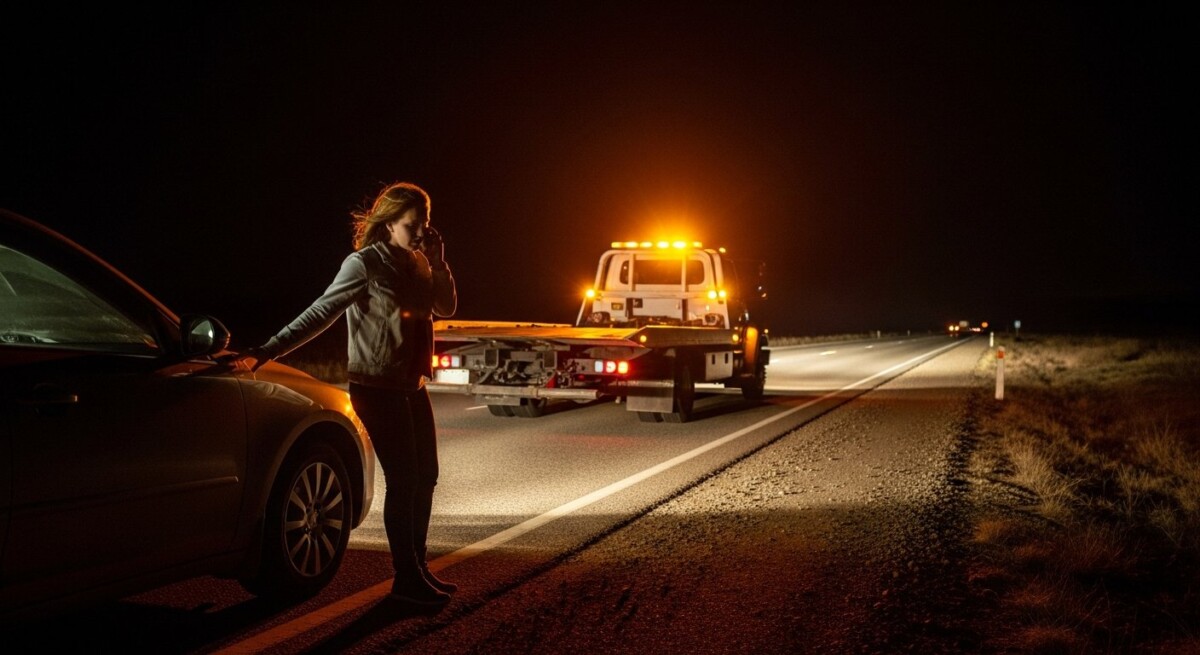
Flat tires, dead batteries, and lockouts always seem to happen at the worst possible time. You might be running late for work, driving home late at night, or stuck on an unfamiliar highway. In those moments, a simple breakdown can turn into a stressful, costly ordeal. That is where auto insurance with roadside assistance steps in to save the day. This coverage bundles emergency help directly into your policy, so you never have to scramble for a tow truck or pay out-of-pocket for a jump-start. Many drivers wonder if this add-on is worth the extra cost. The short answer is yes, especially when you compare it to paying for individual service calls or signing up for a separate membership. In this article, we will break down exactly what roadside assistance covers, how it works with your existing policy, and how to choose the best option for your needs. By the end, you will understand why this coverage is one of the smartest investments you can make for peace of mind on the road.
What Is Auto Insurance With Roadside Assistance?
Roadside assistance is an optional add-on or endorsement that you can attach to your standard auto insurance policy. It provides emergency services when your vehicle becomes disabled due to a mechanical failure, flat tire, dead battery, or other common issues. Instead of calling a random towing company and hoping for a fair price, you contact your insurance provider’s roadside assistance hotline. They dispatch a pre-approved service provider to help you on the spot.
Most insurers offer this coverage for an additional premium that is typically very affordable, often just a few dollars per month. Some companies even include basic roadside assistance as part of a comprehensive policy package. The key distinction is that this is not a separate membership like AAA or Good Sam. It is a contractual benefit tied directly to your car insurance policy, which means you pay for it only when you pay your premium. In our guide on auto insurance in Massachusetts for drivers, we explain how state-specific requirements can affect your coverage options, including add-ons like roadside assistance.
What Services Does Roadside Assistance Cover?
The exact services vary by insurer and policy level, but most standard roadside assistance plans include the following core benefits:
- Towing: If your car cannot be driven, a tow truck will take it to the nearest repair shop or a location of your choice, usually within a set mileage limit (often 5 to 15 miles at no extra cost).
- Battery Jump-Start: A technician will come to your location and jump-start your dead battery.
- Flat Tire Change: If you have a spare tire, the service provider will change it for you. If you do not have a spare, they may tow you to a tire shop.
- Lockout Assistance: If you accidentally lock your keys inside the car, a locksmith or specialized technician will open the door.
- Fuel Delivery: If you run out of gas, the service will bring enough fuel (usually 2 to 3 gallons) to get you to a station.
Some premium policies also include winching (if your car is stuck in mud or snow), fluid delivery, and even trip-interruption benefits that reimburse you for lodging and meals if a breakdown occurs far from home. It is important to read your policy documents carefully to understand exactly what is covered and what the per-incident limits are. Many plans cap the number of service calls per year, typically at three to five, so heavy users may need to supplement with a separate membership.
How Does Roadside Assistance Work With Your Insurance?
When you purchase auto insurance with roadside assistance, you receive a dedicated phone number or mobile app to request help. You do not need to file a traditional insurance claim for these services. Instead, the roadside assistance benefit is a separate, non-claims service. This means that using it typically does not affect your insurance rates or count against your accident history. That is a major advantage over filing a towing claim under your collision or comprehensive coverage, which could lead to a premium increase.
The process is straightforward. You call or use the app, provide your policy number, location, and a description of the problem. The dispatcher sends a nearby service provider directly to you. You confirm the service, and the provider bills your insurance company directly for the covered amount. If any charges exceed your policy’s limit (for example, towing beyond the included mileage), you may need to pay the difference out-of-pocket. For this reason, it is wise to ask about mileage limits and extra fees before you agree to a tow.
Many insurers now offer 24/7 roadside assistance through mobile apps that let you track the service provider’s arrival in real time. This technology reduces wait times and eliminates the uncertainty of not knowing when help will arrive. If you are considering a new policy, you can compare these digital features alongside coverage limits. For a broader look at how different companies handle claims and support, our guide to filing a California auto insurance claim provides step-by-step instructions that apply to most states.
Roadside Assistance vs. Separate Membership Programs
Many drivers already belong to auto clubs like AAA, or they have roadside coverage through their credit card or car manufacturer’s warranty. So why add it to your insurance policy? The answer lies in convenience, cost, and overlap. Insurance-based roadside assistance is usually cheaper per year than a standalone membership. For example, AAA Classic membership costs around $60 to $80 per year, while an insurance add-on might cost $20 to $40 per year. However, AAA offers broader benefits, such as longer towing distances and coverage for any vehicle you are driving, not just your insured car.
Insurance-based plans typically cover only the vehicle listed on the policy. If you drive a friend’s car or rent a vehicle, you may not be covered. On the other hand, separate memberships often cover the member regardless of which car they are in. Some drivers choose to keep both: a basic insurance add-on for daily commuting and a premium membership for long trips or multiple vehicles. The best approach depends on your driving habits and budget. If you rarely drive far from home and have a reliable car, the insurance add-on is usually sufficient. If you travel frequently or own older vehicles prone to breakdowns, a dedicated membership may be worth the extra cost.
Another factor to consider is how quickly help arrives. Insurance companies contract with national networks of towing and service providers, which means coverage is available almost everywhere. But response times can vary by location and time of day. Checking online reviews of your insurer’s roadside service can give you a realistic idea of average wait times. Similarly, if you are an older driver, you might appreciate the extra benefits offered by organizations like AARP. Our AARP auto insurance review highlights how mature drivers can get added value from specialized plans that include roadside assistance.
Who Should Buy Auto Insurance With Roadside Assistance?
This coverage is beneficial for nearly every driver, but some groups gain more value from it than others. New drivers and teenagers are prone to lockouts, dead batteries, and minor accidents. Having roadside assistance gives them a direct line to professional help, which can reduce panic and prevent poor decisions. Drivers with older or high-mileage vehicles are also strong candidates, since mechanical failures become more common as cars age. Even owners of newer cars can benefit, because modern electronics can drain batteries unexpectedly, and run-flat tires still need replacement after a puncture.
People who commute long distances or frequently drive in rural areas should seriously consider this add-on. A breakdown in a remote location can lead to hours of waiting and expensive towing fees. With roadside assistance, you are protected from those surprise bills. Similarly, families with multiple vehicles may find it cost-effective to add roadside assistance to each car rather than paying for separate memberships for each driver. Some insurers offer a discount for adding the coverage to multiple vehicles on the same policy.
On the other hand, if you already have comprehensive roadside coverage through your car’s warranty, a credit card, or a membership like AAA, you may not need to duplicate it. However, check the fine print. Many manufacturer warranties only cover the first few years or have strict mileage limits. Credit card roadside benefits are often limited to basic services and may require you to pay upfront and file for reimbursement. Insurance-based assistance usually has no upfront payment and is simpler to use.
How to Choose the Right Roadside Assistance Plan
Not all roadside assistance plans are created equal. When comparing policies, look beyond the monthly premium and consider the following factors:
- Service call limits: How many times per year can you use the service? Most plans allow 3 to 5 calls. If you drive a lot or have an older car, choose a plan with a higher cap.
- Towing distance: Many plans cover towing up to 10 or 15 miles. Longer tows may cost extra. If you live far from repair shops, look for a plan with a higher mileage limit.
- Coverage for other drivers: Does the plan cover only the named insured, or does it extend to other household members driving the car? Some insurers cover anyone driving your vehicle with permission.
- Response time guarantees: Some insurers promise to arrive within a certain time or they reimburse you. This can be valuable in an emergency.
- Mobile app features: Real-time tracking, one-tap calling, and digital ID cards make the process smoother.
After you narrow down your options, get quotes from multiple carriers to compare pricing and coverage. Our platform at Free Auto Insurance Quotes Online makes this easy by letting you compare rates from top insurers side by side. You can see exactly how much adding roadside assistance increases your premium and decide if the cost aligns with your budget.
Frequently Asked Questions
Will using roadside assistance raise my insurance rates?
No. Roadside assistance is a non-claims service. Using it does not trigger a claim on your policy, so it should not affect your premiums. However, if you misuse the service frequently (for example, calling for a lockout every week), the insurer may limit or revoke the benefit.
Can I add roadside assistance to my policy anytime?
Yes, most insurers allow you to add this coverage at any point during your policy term, not just at renewal. You can typically add it online, through a mobile app, or by calling your agent. The additional premium will be prorated for the remainder of your term.
Does roadside assistance cover rental cars?
Standard insurance-based roadside assistance covers only the vehicle listed on your policy. If you are driving a rental car, you would need to rely on the rental company’s roadside service or your credit card benefits. Some premium policies offer coverage for non-owned vehicles, but this is rare.
Is roadside assistance the same as towing insurance?
Not exactly. Towing insurance is a broader term that may be part of your collision or comprehensive coverage. However, using towing insurance often requires filing a claim and may affect your rates. Roadside assistance is a separate benefit that includes towing but also covers jump-starts, tire changes, lockouts, and fuel delivery without a formal claim.
Can I use roadside assistance for a car I just bought?
If you have an active auto insurance policy with roadside assistance on that vehicle, yes. Newly purchased cars are typically covered under your policy as soon as you add them. However, if the car is still under the dealer’s warranty, you may have complimentary roadside assistance from the manufacturer. Check both coverages to avoid paying for duplicate services.
Making the Most of Your Roadside Assistance Benefit
Once you have added roadside assistance to your policy, take a few minutes to understand how to use it effectively. Save the roadside assistance phone number in your contacts or download your insurer’s mobile app. Keep your insurance ID card in your glove compartment or wallet, as you will need your policy number when you call. If you have a smartphone, enable location sharing so the dispatcher can pinpoint your exact location. This is especially helpful on highways or in areas without street addresses.
Also, know what is not covered. Most plans exclude services for vehicles that are not in safe operating condition, such as cars with expired registration or serious mechanical issues. They also typically do not cover storage fees after a tow, or repairs themselves. Use the benefit for emergency assistance only, and follow up with a repair shop to fix the underlying problem. By treating roadside assistance as a safety net rather than a maintenance service, you will keep your policy costs low and your coverage intact.
In the end, auto insurance with roadside assistance is a small investment that delivers outsized value when you need it most. It eliminates the stress of finding a trustworthy tow truck, avoids surprise bills that can run into hundreds of dollars, and gets you back on the road quickly. Whether you are a new driver, a seasoned commuter, or someone who just wants extra security, this add-on is worth serious consideration. Compare your options today, and choose a plan that fits your lifestyle and budget.