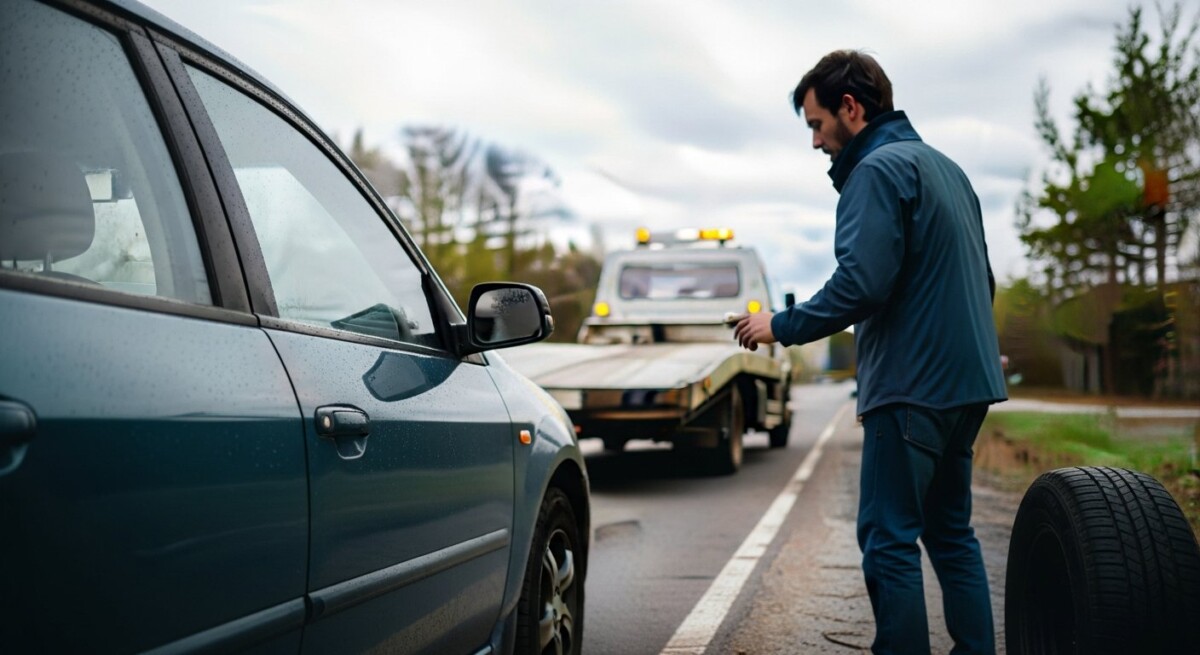
Flat tires, dead batteries, and lockouts always seem to happen at the worst possible moment. When you are stranded on the side of the road, the first call you make should not be a guessing game. Many drivers wonder if adding roadside assistance to their auto insurance is worth the extra cost. The answer often depends on your driving habits, vehicle age, and personal comfort with risk. Bundling this service with your policy can simplify your life and potentially save you money compared to separate membership plans.
Auto insurance with roadside assistance is not just a convenience. It is a practical safety net that covers common emergencies without requiring you to shop for separate towing or service memberships. This article breaks down how this coverage works, what it typically includes, and how to decide if it fits your needs. We will also compare it to standalone plans and highlight the fine print that can make a big difference when you are stuck on the highway.
What Is Roadside Assistance in Auto Insurance?
Roadside assistance is an optional add-on or endorsement attached to your standard auto insurance policy. When you pay a small additional premium each term, your insurer provides access to a network of service providers who can help you with common roadside emergencies. This coverage typically activates when your vehicle is disabled due to a mechanical issue, flat tire, dead battery, or accident. Unlike collision or comprehensive coverage, which pays for damage to your car, roadside assistance pays for labor and services to get you moving again.
Most insurers offer this as a low-cost endorsement. For example, you might pay an extra $10 to $30 per six-month policy period. In exchange, you receive coverage for specific events up to a certain dollar limit per incident. The convenience factor is significant. Instead of calling a tow truck blindly or searching for a local mechanic, you call your insurer’s claims hotline. They dispatch a pre-vetted provider to your location, often within 30 to 60 minutes.
It is important to note that roadside assistance is not the same as towing coverage. Towing coverage specifically pays to move your vehicle from one location to another after an accident or breakdown. Roadside assistance includes towing but also covers a broader set of services. Understanding this distinction helps you avoid gaps in protection.
Common Services Included in Roadside Assistance
While specific benefits vary by insurer and state, most auto insurance with roadside assistance bundles the following core services. Each service typically has a per-incident dollar cap, so it is wise to review your policy details before you need help.
- Towing: Your vehicle is towed to the nearest qualified repair shop or a location of your choice, usually up to a set mileage limit such as 10 or 15 miles.
- Battery jump-start: If your battery is dead, a service truck will come to jump-start your vehicle on-site.
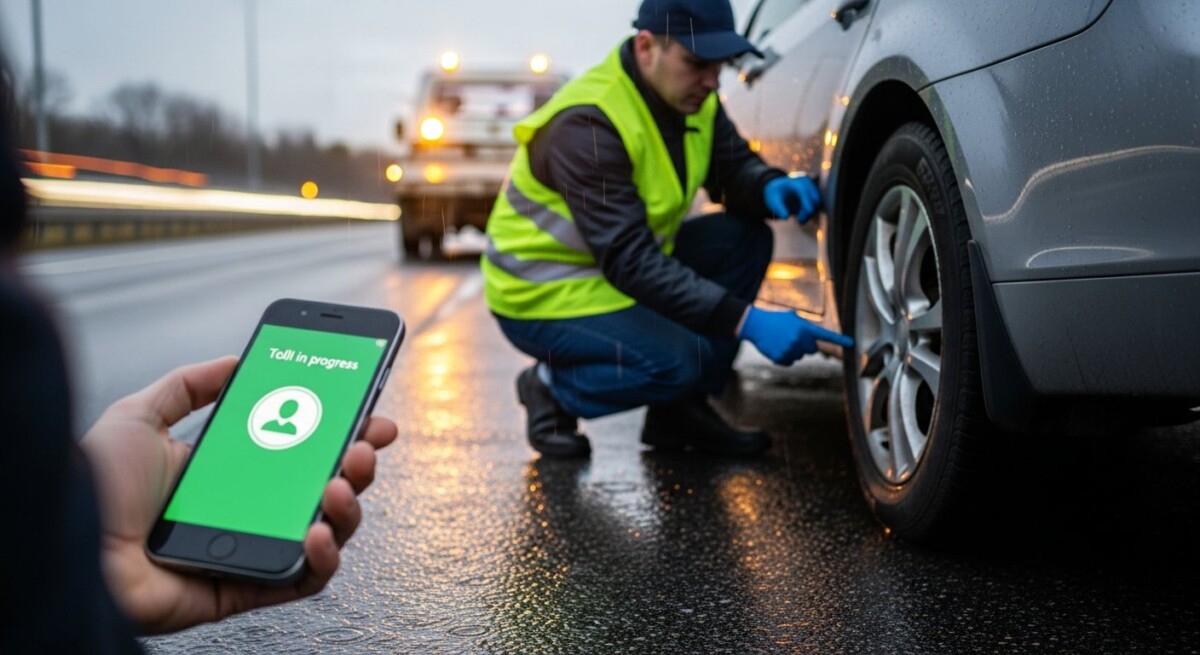
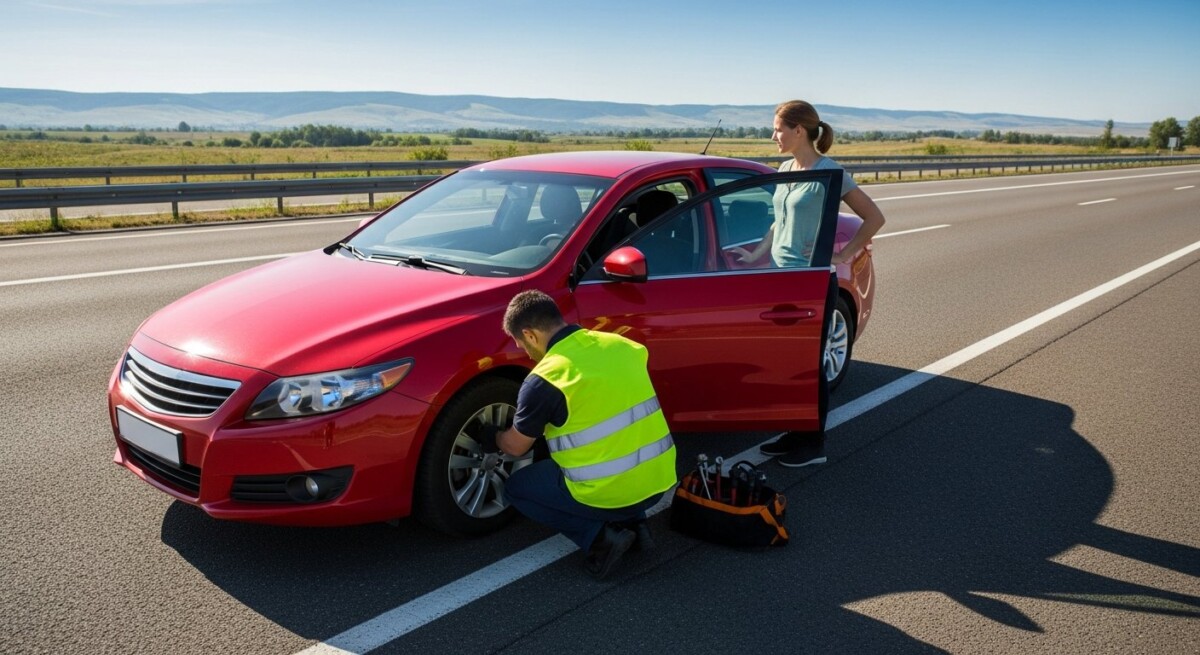
- Flat tire change: A technician will replace your flat tire with your vehicle’s spare tire. This does not cover repair or replacement of the tire itself.
- Lockout assistance: If you lock your keys inside the car, a locksmith or technician will attempt to open the door. Some policies cover this only up to a certain dollar amount per incident.
- Fuel delivery: If you run out of gas, a provider brings enough fuel (usually 2 to 3 gallons) to get you to the nearest station. You pay for the fuel itself.
Some premium policies also include services like fluid delivery, winching if your vehicle is stuck off the road, or even trip interruption coverage if a breakdown leaves you stranded far from home. Always read the fine print to know exactly what is covered and what is excluded. For instance, most policies exclude services for vehicles used in commercial activities or for off-road driving.
How to Choose the Right Roadside Assistance Plan
Selecting the best roadside assistance option requires matching your personal driving profile to the coverage details. Start by evaluating how often you drive long distances, the age and reliability of your vehicle, and your comfort level with DIY roadside fixes. If you drive an older car with high mileage, you may need help more frequently. Conversely, if you own a new vehicle with a manufacturer’s roadside program, duplicating coverage might be wasteful.
Next, compare the cost of adding roadside assistance to your existing auto insurance against the cost of a standalone membership from a provider like AAA or a credit card benefit. In our guide on auto insurance with roadside assistance: smart coverage, we explain how bundling can streamline your claims process because you only have one company to call. With a standalone plan, you pay a separate annual fee and may face different service limits.
Also consider the per-incident limits. Some insurance-based plans cap towing at $100 or 10 miles. If your breakdown occurs on a remote highway, you could pay out-of-pocket for the extra distance. Standalone plans often offer higher limits or unlimited towing within a certain radius. Weigh the trade-off between a lower monthly premium and potential out-of-pocket costs during an emergency.
When Auto Insurance With Roadside Assistance Makes the Most Sense
For most drivers, adding roadside assistance to an existing policy is a low-cost way to gain peace of mind. It makes especially good sense if you have multiple vehicles on the same policy. Many insurers extend roadside assistance to all listed vehicles for a single flat fee, making it cheaper per car than separate memberships. If you have teenage drivers or seniors in your household, the added safety net can be invaluable.
Another scenario where this coverage shines is when you travel frequently. If you take regular road trips or commute long distances, the likelihood of a breakdown increases. Having a single number to call while you are far from home simplifies an already stressful situation. Some policies even cover rental car reimbursement if your vehicle needs overnight repairs after a roadside incident.
However, there are situations where you might skip this add-on. If you already have premium roadside coverage through your auto manufacturer, credit card, or a separate membership, you may not need the duplication. Also, if you have a very old vehicle that is not worth much, you may prefer to rely on a pay-per-use towing service rather than paying extra premiums year after year. You can read more about these trade-offs in our analysis of auto insurance with roadside assistance: is it worth it?.
How to File a Roadside Assistance Claim
Filing a claim for roadside assistance is usually straightforward, but knowing the steps ahead of time can reduce stress during an emergency. First, ensure you are in a safe location. If possible, move your vehicle to the shoulder or a parking lot. Then call your insurance company’s claims or roadside assistance hotline. Have your policy number, vehicle location, and a description of the problem ready.
The dispatcher will ask whether you need a tow, a jump-start, or another service. They will then locate a nearby provider from their network and send them to your location. Most insurers allow you to track the service provider’s arrival via a mobile app or text message. Once the technician arrives, they will perform the service. You may need to sign a service receipt. The provider bills your insurer directly for the covered amount. If the service exceeds your policy’s limit, you will pay the difference on the spot.
After the incident, review your policy’s terms to confirm you were charged correctly. Some insurers allow one or two roadside assistance calls per policy period without penalty. Excessive calls may lead to non-renewal or higher premiums. Use the service wisely and only for genuine emergencies.
Comparing Insurance-Based vs. Standalone Roadside Plans
To help you decide, here is a side-by-side comparison of key factors between auto insurance with roadside assistance and standalone membership plans. This framework can guide your decision based on cost, convenience, and coverage depth.
- Cost structure: Insurance add-ons cost $10 to $30 per six-month policy period. Standalone plans like AAA Classic cost around $60 to $100 per year for an individual membership.
- Service limits: Insurance plans often cap towing at 10 to 15 miles or $100 per incident. Standalone plans typically offer 5 to 100 miles of towing depending on the membership tier.
- Number of service calls: Insurance policies may limit roadside calls to 3 to 5 per policy term. Standalone plans usually allow unlimited calls per year.
- Coverage for all drivers: Insurance roadside assistance covers the named insured and family members driving the insured vehicle. Standalone plans cover the member regardless of which vehicle they are in, including rental cars and friends’ cars.
- Claims process: With insurance, you call your insurer’s hotline. With a standalone plan, you call the membership provider. Both dispatch local service providers.
As you can see, both options have advantages. The right choice depends on how often you expect to use the service and whether you prioritize low cost or broader coverage. For a deeper dive into this comparison, see our resource on auto insurance with roadside assistance: smart coverage which breaks down the numbers in more detail.
What Is Not Covered by Roadside Assistance
Understanding exclusions is just as important as knowing what is covered. Most auto insurance with roadside assistance policies will not cover the following situations. Being aware of these gaps can prevent unpleasant surprises.
- Mechanical repairs on-site: Technicians will not fix your engine, transmission, or other major mechanical issues at the roadside. They will only provide services that get you moving or tow your vehicle.
- Vehicle storage: If your car is towed to a repair shop, storage fees are typically not covered.
- Off-road or commercial use: If you are driving on a closed road, off-road trail, or using the vehicle for business deliveries, coverage may be void.
- Non-vehicle lockouts: Locking your keys in your house or a building is not covered. Only vehicle lockouts qualify.
- Second call for the same incident: If you use roadside assistance and then break down again on the way to the repair shop, a second service call may be treated as a separate incident with its own limit.
If you have a vehicle that frequently needs roadside help, consider upgrading to a higher-tier standalone plan that offers broader coverage. However, for most occasional breakdowns, insurance-based roadside assistance is sufficient and more affordable.
Frequently Asked Questions
Does roadside assistance cover rental cars?
Usually, no. Roadside assistance attached to your personal auto insurance covers only the vehicles listed on your policy. If you rent a car and need a tow, you would need to rely on the rental company’s roadside program or a separate credit card benefit. Some standalone plans like AAA cover you in any vehicle you are driving.
Will using roadside assistance raise my insurance rates?
In most cases, using roadside assistance does not affect your premium because it is not considered an at-fault accident claim. However, if you file multiple roadside claims in a short period, your insurer may view you as a higher risk and could choose not to renew your policy. Always check your insurer’s guidelines on service call frequency.
Can I add roadside assistance to my policy at any time?
Yes, most insurers allow you to add roadside assistance mid-policy. You can typically do this online or by calling your agent. The additional premium will be prorated for the remainder of your policy term. This is a good option if you are planning a long road trip and want temporary extra coverage.
Is roadside assistance the same as towing insurance?
No, but they are related. Towing insurance specifically covers the cost of moving your vehicle to a repair shop. Roadside assistance includes towing as one of several services, along with jump-starts, flat tire changes, lockout assistance, and fuel delivery. If you only want towing, you may save money by purchasing towing-only coverage, but most drivers prefer the broader protection of roadside assistance.
Final Thoughts on Choosing the Right Coverage
Deciding whether to add roadside assistance to your auto insurance comes down to your personal risk tolerance and budget. For a modest increase in your premium, you gain access to a network of professionals who can help you in a wide range of emergencies. This is especially valuable if you drive an older car, travel frequently, or simply want the peace of mind that comes with knowing help is a phone call away.
Before you decide, compare the cost and limits of your insurer’s roadside program with standalone options. Read the fine print carefully, especially regarding per-incident caps and the number of allowed calls per year. If you find that your current policy offers competitive terms, bundling is often the simplest and most cost-effective route. For more information on how to evaluate these options, read our detailed guide on auto insurance with roadside assistance: a smart add-on.
Ultimately, the goal is to avoid being stranded without a plan. By taking a few minutes to review your coverage today, you can ensure that the next time you hear that dreaded thumping sound or see the dashboard battery light flicker, you know exactly what to do. Call your insurer, request roadside assistance, and get back on the road safely.