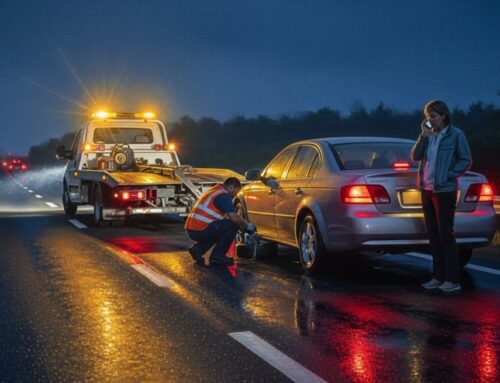
Imagine your car breaks down on a dark highway, or you return to a parking lot to find a flat tire. In these moments, stress levels rise quickly. You need help, but you also worry about the cost of a tow truck or a locksmith. This is where auto insurance with roadside assistance becomes a critical safety net. It transforms a potentially expensive and frightening situation into a manageable inconvenience. For many drivers, this add-on is not just a luxury; it is a practical financial tool that protects your budget and your peace of mind.
Roadside assistance coverage is typically an optional endorsement you can add to your standard car insurance policy. It provides services like towing, battery jumps, flat tire changes, fuel delivery, and lockout assistance. Instead of calling a random tow company and hoping for a fair price, you call your insurer. They dispatch a vetted provider, and you pay little to nothing out of pocket. This guide explains how this coverage works, what it costs, and how to decide if it is right for you.
What Does Roadside Assistance Cover?
Standard roadside assistance packages vary by insurer, but most include a core set of services designed to get you back on the road quickly. Understanding these services helps you compare policies accurately. The goal is to avoid surprise bills when you need help most.
Most policies cover the following five services:
- Towing: If your vehicle cannot be driven, the insurer pays for a tow to the nearest qualified repair shop. Limits usually cap the distance, often between 5 and 15 miles.
- Battery Jump-Start: A technician arrives to jump-start your dead battery. If the battery is faulty, some policies include a replacement battery at an additional cost.
- Flat Tire Change: The service provider changes your flat tire with your working spare. If you do not have a spare, they may tow your vehicle to a tire shop.
- Fuel Delivery: If you run out of gas, the provider brings enough fuel to get you to a nearby station. You typically pay for the fuel itself, but the delivery fee is covered.
- Lockout Assistance: If you lock your keys inside the car, a technician uses specialized tools to unlock the door. This service is often limited to a certain number of calls per year.
Some premium policies also include winching, off-road recovery, or concierge services for trip interruption. However, these extras increase the premium. Always read the fine print to understand per-incident limits and annual caps on service calls.
How Much Does Roadside Assistance Cost?
The cost of adding roadside assistance to your auto insurance is surprisingly low. Most major carriers charge between $5 and $15 per year per vehicle. That is often less than the price of a single tow truck call, which can easily cost $75 to $150. When you consider that you might use the service only once every few years, the value becomes clear.
However, there is a catch. Using your roadside assistance benefit may count as a claim on your policy. In some states, filing a claim for a tow can lead to a premium increase at renewal. This is a critical distinction between insurance-based roadside assistance and a standalone membership like AAA. With AAA, using the service never affects your insurance rates. With an insurance add-on, you trade a low annual fee for the risk of a rate hike. To navigate this trade-off, read our detailed breakdown of auto insurance with roadside assistance: is it worth it? to see how the numbers compare.
Insurance-Based vs. Standalone Membership
Drivers often wonder whether they should add roadside assistance to their auto policy or buy a separate membership from a motor club. Each option has distinct advantages and drawbacks. Your choice depends on your driving habits, budget, and tolerance for potential rate increases.
Pros of Insurance-Based Coverage
The primary advantage is convenience. You pay a small annual premium alongside your regular auto insurance bill. There is no separate membership to track, and you already have a relationship with the insurer. If you need help, you call the same company that handles your claims. Additionally, insurance-based coverage is often cheaper per year than a standalone plan. For a driver who rarely needs assistance, this low cost is appealing.
Cons of Insurance-Based Coverage
The biggest downside is the potential claim impact. As mentioned, using the benefit may trigger a surcharge on your premium. Furthermore, coverage limits are often lower. A typical insurance plan might cover only 10 miles of towing, while AAA Plus covers up to 100 miles. If you frequently drive long distances or in remote areas, the insurance option may leave you exposed.
When to Choose a Standalone Plan
If you drive an older vehicle, commute long distances, or live in an area with extreme weather, a standalone membership often provides better value. These plans offer higher towing limits, no claim risk, and additional perks like trip interruption coverage or travel discounts. The trade-off is a higher upfront annual fee, typically $50 to $150. For a comprehensive comparison of options, refer to our guide on auto insurance with roadside assistance: smart coverage to see which strategy aligns with your lifestyle.
How to Add Roadside Assistance to Your Policy
Adding this coverage is a straightforward process. You can usually do it online through your insurer’s portal, over the phone, or by contacting your local agent. Follow these steps to ensure you get the right coverage without overpaying.
- Review your current policy. Log into your account and check your current coverage details. Note your deductibles and existing limits for towing and labor.
- Compare add-on costs. Request a quote for adding roadside assistance. Ask the agent if the service is classified as a claim or a service call. Some insurers treat it as a zero-dollar claim that does not affect rates, while others do not.
- Check service limits. Confirm the maximum towing distance, the number of calls allowed per year, and any exclusions for vehicle type (e.g., RVs or motorcycles).
- Consider bundling. If you have other policies like homeowners or renters insurance, ask about a multi-policy discount. Bundling can lower your overall premium enough to offset the cost of the add-on.
- Read the fine print. Look for clauses about reimbursement. Some insurers require you to pay upfront and submit a receipt for reimbursement. Others pay the provider directly, which is more convenient.
After you add the coverage, keep your insurance ID card or mobile app handy. When you need assistance, call the claims number listed on your card. Provide your location and a description of the problem. The dispatcher will estimate the arrival time and send a provider.
Common Myths About Roadside Assistance
Several misconceptions prevent drivers from adding this valuable coverage. Let us clear up the most common ones.
Myth 1: It is only for old cars. New vehicles also break down. Flat tires, dead batteries, and lockouts happen regardless of age. In fact, modern cars with complex electronics can leave you stranded just as easily as an older model.
Myth 2: It covers all towing costs. Most policies cap the towing distance. If your breakdown occurs 50 miles from home and your plan covers only 10 miles, you pay the difference. Always know your limit before you need a tow.
Myth 3: It is the same as rental car insurance. Roadside assistance covers breakdowns of your personal vehicle. Rental car insurance covers damage to a rental vehicle. They are separate coverages. For more details on how these interact, explore our resource on auto insurance with roadside assistance: a smart add-on to understand the full picture.
Frequently Asked Questions
Does roadside assistance cover me if I drive someone else’s car?
Typically, coverage follows the vehicle, not the driver. If you are driving a friend’s car and it breaks down, their policy’s roadside assistance applies. If they do not have it, you may not be covered. Some insurers offer coverage that follows the driver, but this is rare. Check your policy language carefully.
Can I use roadside assistance if my car is parked at home?
Yes. Many policies cover breakdowns regardless of location. If your car fails to start in your driveway, you can call for a jump-start or a tow to a repair shop. However, some policies exclude mechanical failures that occur on private property. Read your contract to confirm.
Will my rates go up if I use roadside assistance?
It depends on your insurer and state regulations. Some companies classify roadside assistance as a non-chargeable incident, meaning it does not affect your premium. Others treat it as a claim. Before you add the coverage, ask your agent directly: Does using this service count as a claim? Get the answer in writing.
How many times can I use roadside assistance per year?
Most policies limit you to three to five service calls per year. If you exceed that limit, you pay the full cost for additional calls. Some insurers allow you to purchase extra calls for a small fee. If you have a very old car that frequently breaks down, consider a standalone plan with higher limits.
Is there a waiting period before coverage starts?
Most insurers apply roadside assistance immediately after you add it to your policy. However, a few companies impose a 24-hour waiting period to prevent fraud. Confirm the effective date when you make the change.
Making the Right Choice for Your Budget
Adding auto insurance with roadside assistance is one of the most affordable ways to protect yourself from unexpected towing and repair costs. For the price of a fast-food meal, you gain access to a network of professionals who can help you in an emergency. However, the decision should not be automatic. Evaluate your driving patterns, the age of your vehicle, and your tolerance for potential rate increases.
If you drive a reliable car, stay within city limits, and have a low tolerance for paperwork, the insurance add-on is a solid choice. If you frequently travel long distances, own an older vehicle, or want unlimited towing miles, a standalone membership like AAA may serve you better. Whichever path you choose, the key is to plan ahead. Do not wait until you are stranded on the side of the road to research your options. Review your policy today, compare costs, and make an informed decision that keeps you safe and saves you money.
For a personalized quote that includes roadside assistance, contact our team at 833-275-7533. We can help you compare rates from multiple carriers and find a policy that fits your needs without hidden fees or surprises.