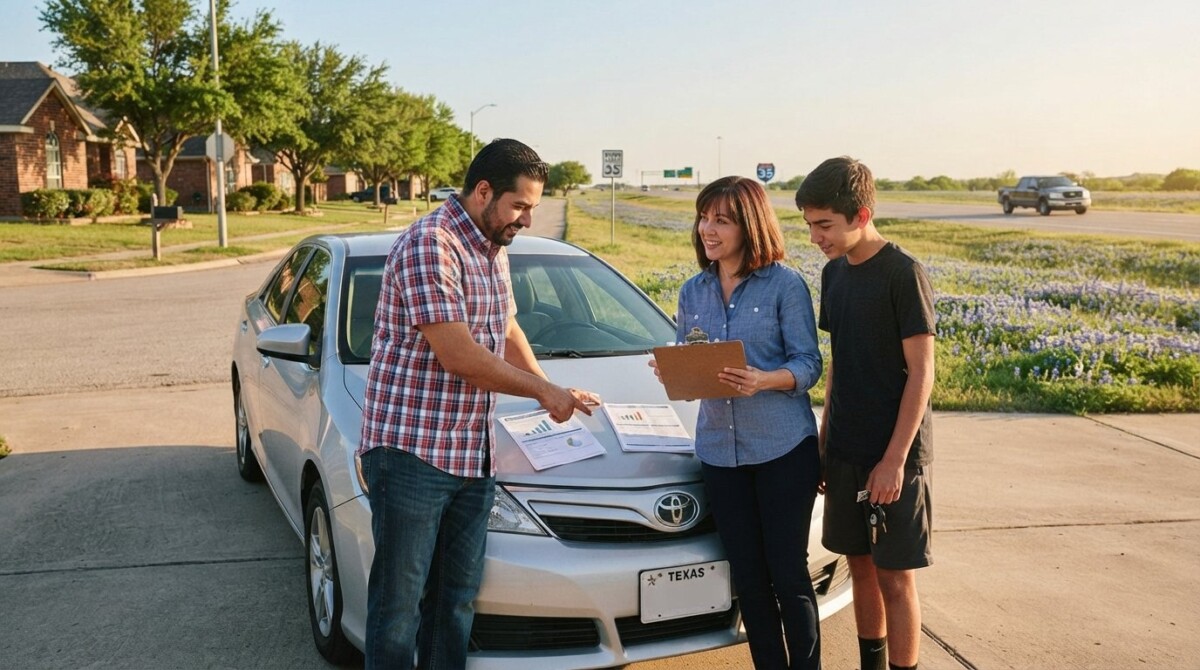
Finding affordable auto insurance in Texas can feel like navigating a maze. With over 200 carriers licensed to sell policies in the Lone Star State, the quotes you receive for identical coverage can vary by hundreds, sometimes thousands, of dollars. The difference between a good rate and a great one often comes down to how you shop, when you shop, and what information you provide. This guide walks you through the process of securing the best auto insurance quotes Texas has to offer, without sacrificing the protection you need on the road.
Whether you are a new driver in Houston, a seasoned commuter in Dallas, or a family in rural West Texas, the principles of comparison shopping remain the same. You need to understand your coverage needs, gather your personal driving information, and then leverage the right tools to see the full landscape of pricing. Our platform, Free Auto Insurance Quotes Online, is designed to simplify this exact process by connecting you with multiple carriers through a single, straightforward form.
The Texas Auto Insurance Landscape in 2026
Texas is unique in many ways, and its insurance market is no exception. It is a tort state, meaning the at-fault driver is responsible for the damages they cause. This fundamental principle shapes the minimum coverage requirements and influences how much you should carry. While the state mandates a minimum of 30/60/25 (up to $30,000 for bodily injury per person, $60,000 per accident, and $25,000 for property damage), relying solely on these limits is often a risky financial decision.
In 2026, we are seeing a continued trend of rising repair costs and medical expenses. This means the state minimums may not fully protect your assets if you are found at fault in a serious accident. A robust policy with higher liability limits and additional coverage types is often more affordable than most drivers expect, especially when you compare it against the potential out-of-pocket costs of a lawsuit. This is why securing comparative auto insurance quotes Texas drivers trust is a critical first step.
Another factor shaping the market is the prevalence of uninsured and underinsured motorists. A significant portion of Texas drivers carry only the bare minimum or, in some cases, no insurance at all. Adding Uninsured/Underinsured Motorist (UM/UIM) coverage to your policy is a relatively inexpensive way to protect yourself from hit-and-run drivers or those without adequate coverage. It is an optional add-on, but one that financial advisors and insurance experts frequently recommend for Texas residents.
Key Factors That Influence Your Texas Quote
Insurance companies use a complex algorithm of data points to calculate your risk profile and determine your premium. Understanding these factors can help you identify areas where you might be able to secure a discount or adjust your habits to lower your rate. When you request auto insurance quotes Texas providers give, they are all evaluating these same core elements.
Your driving record is the most significant factor. A clean history with no accidents or moving violations will always earn you the most favorable rates. Conversely, a DUI or a series of speeding tickets can cause your premiums to skyrocket, as you are statistically more likely to file a claim. Insurance companies heavily weigh past behavior as a predictor of future risk. Beyond your record, your credit score also plays a major role. Texas law allows insurers to use a credit-based insurance score, and drivers with good credit often see significantly lower rates than those with poor credit.
Here are the other primary variables that will shape your quote:
- Location: Zip codes with higher rates of accidents, theft, or vandalism will have higher premiums. City drivers in Dallas or San Antonio typically pay more than those in rural areas.
- Vehicle Profile: The make, model, year, safety ratings, and cost of parts for your car all matter. A luxury sedan is pricier to repair than a standard family SUV.
- Annual Mileage: The more you drive, the more exposure you have to risk. Low-mileage drivers often qualify for usage-based discounts.
- Coverage Choices: Your deductible amounts and the types of coverage (comprehensive, collision, rental reimbursement) directly dictate your premium.
Once you understand these variables, you can make strategic decisions. For example, if you have an older vehicle that is paid off, you might consider dropping collision and comprehensive coverage to save money. However, if you have a new car loan, your lender will require full coverage. Balancing these choices is easier when you see all your options side-by-side.
How to Compare Quotes Effectively
The most effective strategy for saving money is to compare apples to apples. This means ensuring that the coverage limits, deductibles, and policy terms are identical across every quote you receive. A quote with a $500 deductible will naturally be cheaper than one with a $250 deductible, but it also means more out-of-pocket expense if you file a claim. To make a truly informed decision, you need to look at the total cost of ownership for the policy, not just the monthly payment.
When you use our comparison service to gather auto insurance quotes Texas options, you save time and avoid the hassle of visiting dozens of individual carrier websites. Our form requires only basic information, and within minutes, you can see which companies are offering the most competitive rates for your specific profile. This process empowers you with negotiating power. If one carrier offers a great rate, you can often use that quote to negotiate with another insurer, especially if you have a strong loyalty history with them.
It is also wise to consider the financial strength and customer service reputation of the insurance company, not just the price. A cheap policy from a company that is slow to pay claims or has poor customer support can be a headache during a stressful time. Look for insurers with high ratings from independent agencies like AM Best or J.D. Power. As you evaluate your options, remember to review our guide on full coverage auto insurance quotes to understand the nuances of comprehensive protection.
Strategies to Lower Your Premium Immediately
After you have compared initial offers, there are several proactive steps you can take to reduce your premium even further. Many drivers overlook simple discounts that they are already eligible for. Asking your potential insurer about every available discount is a crucial step in the process.
Bundling your auto insurance with your homeowners or renters policy is one of the most common and effective ways to save. Insurers value customer loyalty and the convenience of having multiple policies with one company. Similarly, insuring multiple vehicles on the same policy usually triggers a multi-car discount. Another significant saver is completing a defensive driving course. Texas offers an approved online course that can reduce your premium by up to 10% for three years. It is a small investment of time that yields long-term savings.
Here are a few more strategies to consider:
- Increase Your Deductible: Raising your collision and comprehensive deductibles from $500 to $1,000 can reduce your premium by 10-20%. Ensure you have that amount in savings for emergencies.
- Check for Professional Affiliations: Many companies offer discounts to members of certain alumni associations, professional organizations, or even employers.
- Inquire About Telematics: Usage-based insurance programs that track your driving habits via a mobile app can offer significant discounts for safe drivers.
- Review Your Policy Annually: Your life circumstances change, and so should your policy. Reviewing it every six months ensures you are not paying for coverage you no longer need.
After applying these strategies, you may find that your ideal rate is still higher than you hoped. In that case, it is time to look beyond the standard discounts and explore whether you are in the right coverage category altogether. For instance, if you have moved to a new city, driving fewer miles, or switched to a work-from-home schedule, your risk profile has changed, and your quote should reflect that. For a deeper dive into these money-saving tactics, check out our comprehensive guide on comparing and saving in Texas.
Special Considerations for Different Driver Profiles
Not all drivers are treated equally by insurance algorithms. Your age, marital status, and driving history create a unique profile that can significantly impact your quotes. Teenage drivers, for instance, face the highest rates due to their lack of experience. However, they can offset some of these costs by maintaining good grades, completing driver’s education, and being listed on a parent’s policy rather than having their own.
Senior drivers, on the other hand, may see their rates stabilize or even decrease if they have clean records, but they might face new challenges related to age-related cognitive decline. Taking a refresher course for seniors can often unlock discounts. High-risk drivers, those with DUIs or multiple at-fault accidents, will find that shopping around is even more critical. Some carriers specialize in high-risk insurance and may offer more competitive rates than standard companies that penalize these drivers heavily.
If you fall into a high-risk category, do not be discouraged. The market is competitive, and there are solutions available. It is essential to be honest on your application, as misrepresenting your record can lead to denied claims or policy cancellation later. As you navigate your options, you might find it helpful to read about how to compare rates effectively to ensure you are getting the best possible deal despite your history.
Understanding the Fine Print Before You Buy
Before you finalize any policy, you must read the declarations page and the policy document carefully. This is where you will find the exact terms of your coverage, including exclusions and limitations. Many drivers are surprised to learn that their policy does not cover certain scenarios, such as using their personal car for ride-sharing services like Uber or Lyft without a specific endorsement.
You should also verify the financial rating of the insurance company. A low price is not a good deal if the company is insolvent and cannot pay your claim. Independent rating agencies like A.M. Best and Standard & Poor’s provide letter grades that indicate the financial health of an insurer. Aim for a carrier with an A or better rating to ensure they have the resources to honor their commitments. Also, confirm the claims process: is there a 24/7 hotline? Is there a mobile app for submitting photos? These conveniences can make a huge difference after an accident.
In addition, be cautious of policies that exclude named drivers, such as a teenager who just got their license. If someone in your household is not listed on the policy but drives your car regularly, it could lead to a denied claim. Always update your policy immediately after a major life event: a marriage, a new address, a new car, or a new driver in the household. These changes can materially affect your risk and your premium. For more insights into the comparison process across different scenarios, explore our resource on how to compare and save on Texas auto insurance.
Frequently Asked Questions
How often should I shop for auto insurance quotes in Texas?
It is best practice to compare quotes at least once a year, ideally at your policy renewal date. However, you should also shop around after any major life change, such as moving, buying a new car, or receiving a speeding ticket. Rates change frequently, and a company that was expensive last year may now be the cheapest option.
Does my credit score really matter for auto insurance in Texas?
Yes, Texas is one of many states that allows insurers to use your credit-based insurance score to determine your premium. Insurers have found a strong correlation between credit history and the likelihood of filing a claim. Drivers with poor credit can pay significantly more than those with excellent credit for the same coverage.
What is the minimum coverage required in Texas?
Texas law requires a minimum of 30/60/25. This means $30,000 for bodily injury per person, $60,000 total for bodily injury per accident, and $25,000 for property damage liability. While this is the legal minimum, it is often insufficient to cover the full cost of a serious accident, so higher limits are strongly recommended.
Can I get auto insurance quotes without affecting my credit score?
Yes. Insurance companies use a “soft pull” when providing a quote, which does not affect your credit score. A “hard pull” only happens when you actually apply for a policy and is a standard practice that can slightly lower your score for a short period. Shopping for quotes is safe and will not harm your credit.
Your Next Steps to Secure the Best Rate
Securing the best auto insurance quotes Texas has to offer is not about luck; it is about strategy. By understanding the factors that influence rates, comparing policies side-by-side, and actively seeking discounts, you can take control of your insurance costs. The process is straightforward, and the potential savings are substantial, often enough to cover other household expenses or contribute to your savings.
We encourage you to use the tools and resources available on this site to kickstart your comparison journey. Our goal is to make the process transparent and efficient, helping you move from confusion to confidence. With the right information, you can find a policy that offers robust protection, excellent customer service, and a price that fits your budget.