
City Driving Insurance 2026: Navigating High Traffic Coverage
Get tailored coverage for urban driving risks and potential savings. Call 833-275-7533 for a personalized quote on city auto insurance.

By Calla Winters
Navigating congested city streets presents a unique set of risks, from frequent fender benders and complex intersections to a higher likelihood of theft and vandalism. For urban drivers, standard auto insurance policies often fall short, leaving significant gaps in protection just when it’s needed most. As we look toward 2026, the landscape for auto insurance for city drivers with high traffic is evolving, influenced by new technology, shifting urban mobility patterns, and increasingly sophisticated risk models. Understanding these trends is not just about finding a policy, it’s about building a financial shield tailored to the relentless pace and unique perils of metropolitan driving. This guide will help you decode the essential coverages, identify potential savings, and future-proof your policy against the specific challenges of dense urban environments.
The Unique Insurance Risks for Urban Drivers
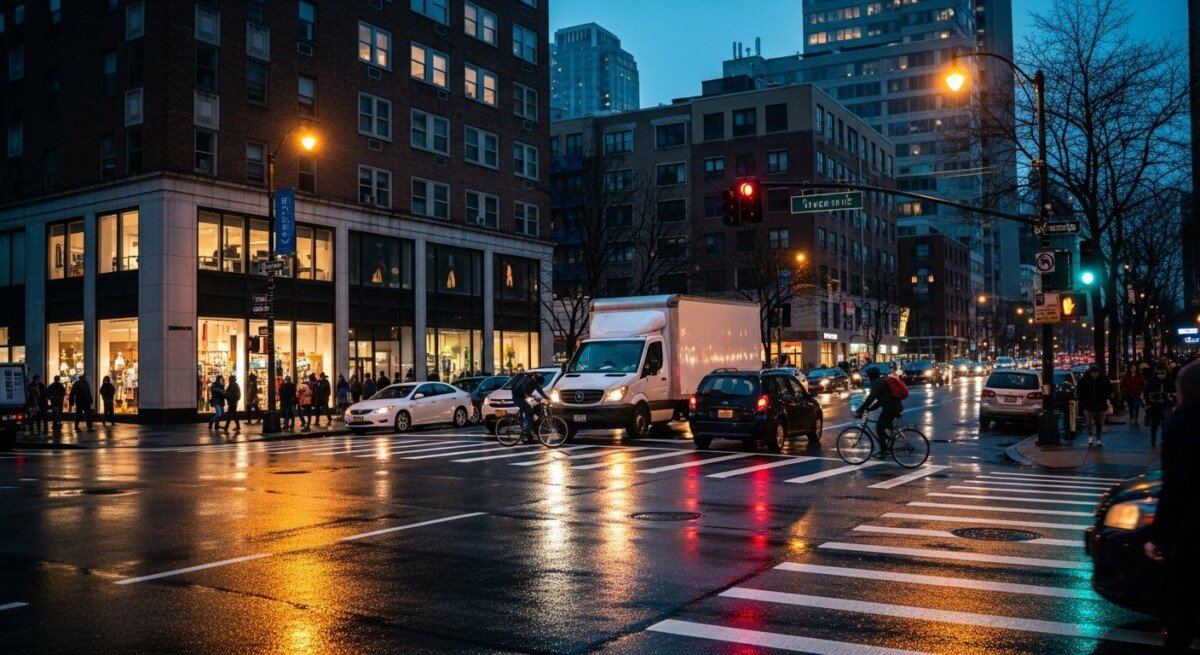
City driving is fundamentally different from suburban or rural motoring, and insurance companies price policies accordingly. The concentration of vehicles, pedestrians, cyclists, and delivery scooters creates a high-frequency, low-severity accident environment. While high-speed collisions are less common, minor collisions, door dings, and side-swipes are a daily reality. Furthermore, vehicles parked on city streets face elevated risks of theft, break-ins, and vandalism. The sheer cost of repairs in urban areas, where labor rates and parts can be more expensive, also drives up claim costs. Insurers analyze zip code-level data on traffic density, crime rates, and even parking availability to assess risk, meaning your address is a primary factor in your premium. For a deeper dive into how these and other factors influence your price, our resource on how to find the lowest auto insurance rates in 2026 breaks down the methodology.
Essential Coverage Add-Ons for 2026 City Policies
Beyond state-mandated liability coverage, city drivers should strongly consider several specific endorsements. These are not mere luxuries, they are critical components of a robust urban driving policy.
Collision and Comprehensive Coverage
While often considered “full coverage,” these are separate but equally vital. Collision covers damage to your car from an impact with another vehicle or object, a near-constant threat in tight parking garages and busy streets. Comprehensive coverage handles non-collision events like theft, fire, falling objects, and vandalism. Given the exposure of street-parked cars, comprehensive coverage is arguably non-negotiable for city dwellers without secure, off-street parking.
Uninsured/Underinsured Motorist Protection
Despite insurance mandates, the rate of uninsured drivers can be higher in certain metropolitan areas. If you’re hit by a driver with no insurance or insufficient limits, this coverage pays for your medical bills and vehicle repairs. It is a critical safety net in a high-traffic environment where not all participants are equally responsible.
Rental Reimbursement and Ride-Sharing Endorsements
When your car is in the shop after a claim, you still need to get around. Rental reimbursement provides a daily allowance for a temporary vehicle, a crucial benefit when public transit isn’t a viable option. Furthermore, if you drive for a service like Uber or Lyft even occasionally, a personal auto policy will likely deny a claim that occurs during a period you were logged into the app. A specific ride-sharing endorsement bridges the gap between your personal policy and the platform’s commercial insurance.
Leveraging Technology and Data for Better Rates
The future of auto insurance for city drivers is inextricably linked to telematics and usage-based insurance (UBI). By 2026, these programs will be more sophisticated and widely adopted. Telematics devices or smartphone apps monitor driving behavior, such as hard braking, rapid acceleration, phone use, and the times of day you drive. For city drivers who primarily commute during off-peak hours or who demonstrate cautious driving habits in challenging conditions, this data can be used to secure significant discounts. It shifts the focus from generic demographic risk (like your zip code) to your individual driving performance. Successfully leveraging these programs requires understanding what insurers are measuring. For strategies on demonstrating safe driving to lower your costs, explore our guide on how safe drivers get the best auto insurance quotes in 2026.
When considering a telematics program, it’s important to know what behaviors are tracked. A typical program will monitor and score you on the following key metrics:
- Hard Braking: Sudden, forceful stops indicate following too closely or distracted driving.
- Rapid Acceleration: Jackrabbit starts waste fuel and suggest aggressive driving.
- Phone Distraction: Using your phone while the vehicle is in motion, even hands-free, may be flagged.
- Time of Day: Driving late at night (e.g., between midnight and 4 a.m.) is often considered higher risk.
- Mileage: Lower annual mileage, common for some city dwellers who use alternative transport, can directly lower premiums.
Strategic Money-Saving Tips for Metropolitan Drivers
City insurance is expensive, but strategic actions can yield substantial savings. Start by aggressively shopping around at every renewal. Insurers frequently adjust their risk models for specific neighborhoods, and a company that was expensive last year might be competitive now. Always inquire about every possible discount, many of which are highly relevant to urban residents. These can include discounts for bundling with renters insurance, being a loyal customer, paying your premium in full, or being a member of certain professional organizations. If you drive fewer miles than the average driver, a low-mileage discount is essential. Furthermore, choosing a higher deductible on your comprehensive and collision coverage can lower your premium, but this requires you to have that deductible amount saved and accessible for a potential claim. For a comprehensive list of actionable savings strategies, our article on how to get a discount on auto insurance in 2026 provides detailed steps.
Future Trends: What to Expect by 2026
The auto insurance market is dynamic, and several trends will specifically impact city drivers by 2026. First, the proliferation of Advanced Driver-Assistance Systems (ADAS) like automatic emergency braking and blind-spot monitoring will continue. Insurers are beginning to offer discounts for these features, as they reduce the frequency of low-speed collisions common in cities. Second, the growth of micro-mobility (e-bikes, e-scooters) will complicate liability landscapes, potentially leading to new coverage needs. Third, insurers may develop more granular, hyper-local pricing models, making comparisons between carriers even more critical. Finally, the direct-to-consumer model, exemplified by companies like Lemonade and Root, will pressure traditional insurers to offer more digital-first, streamlined purchasing and claims experiences. Getting a clear quote quickly is key in this environment, a process we detail in our post about how to get a State Farm auto insurance quote in 2026 as an example of navigating modern provider systems.
Frequently Asked Questions
Why is my auto insurance so much higher since I moved to the city?
Your premium is heavily influenced by the statistical risk of your garaging address. Cities have higher rates of accidents, theft, vandalism, and expensive repair claims. Insurers spread this risk across all policyholders in that area, resulting in higher base rates.
Is telematics (usage-based insurance) a good idea for city drivers?
It can be, but it depends on your driving habits. If you primarily drive during lower-risk daytime hours, avoid hard braking, and keep mileage low, you could see a discount. However, if your driving involves constant stop-and-go traffic during rush hour, the data might not work in your favor. Review the program’s specific scoring criteria before enrolling.
What is the single most important coverage for a city driver?
While liability is legally required, comprehensive coverage is arguably the most critical add-on for urban drivers. It protects against the high-probability urban risks of theft, break-ins, vandalism, and damage from falling objects, which are often not covered by any other part of a standard policy.
How can I prove I’m a low-mileage driver?
Many insurers will accept a photo of your odometer at policy inception and renewal. Telematics programs automatically track mileage. You can also ask your agent about formal low-mileage programs, which often require an initial odometer reading and annual verification.
Will my insurance cover me if I’m in a collision with a delivery robot or e-scooter?
This is an emerging area. Typically, if you are at fault in a collision with any person or property, your liability coverage would apply. However, the legal liability in accidents involving novel micro-mobility devices is still being defined. Review your policy’s property damage and bodily injury liability limits to ensure they are robust enough for these complex scenarios.
Securing the right auto insurance for city driving requires a proactive and informed approach. It’s not merely a transactional purchase but an ongoing strategy to manage the distinct financial risks of urban mobility. By understanding the coverage essentials, embracing technology where beneficial, and consistently shopping for competitive rates, you can navigate the congested insurance market with confidence. The goal is to achieve a balance between comprehensive protection and affordable premiums, ensuring that your policy acts as a true safeguard for your daily journeys in the dynamic city landscape of 2026 and beyond.