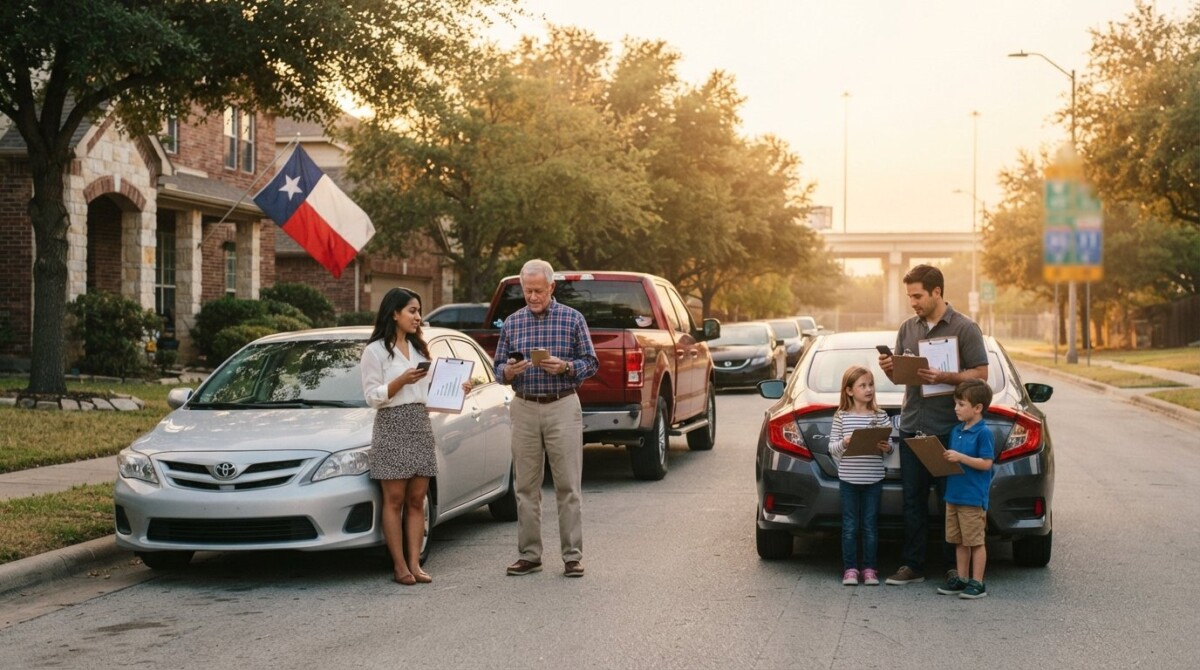
Buying your first car is a milestone, but securing your first auto insurance policy can feel like navigating a maze. As a first-time buyer, you’re entering a complex market with unfamiliar terms, varying coverage levels, and a wide range of prices. The goal isn’t just to find the cheapest policy, but to find the right blend of protection, service, and value that safeguards your new investment and your financial future. This guide will demystify the process, helping you understand what to look for and how to identify the best auto insurance for first-time buyers based on your unique profile.
Understanding the Unique Challenges for First-Time Buyers
First-time car insurance buyers face specific hurdles that can make shopping more difficult and expensive. Insurers view new drivers and those without a prior policy history as higher risk, simply because they lack a track record. This often translates to higher premiums. Furthermore, the sheer volume of options and industry jargon can be overwhelming. You might not know how much coverage you truly need, what discounts you qualify for, or which company offers the best customer service for new policyholders. The key is to approach this not as a simple purchase, but as the establishment of a long-term financial relationship. Building a good history with an insurer now can lead to better rates and service for years to come.
Key Factors That Define the “Best” Policy
The best auto insurance for a first-time buyer isn’t a single company. It’s the policy that best matches an individual’s circumstances. Several core factors determine what “best” means for you. Your age, driving record (even if it’s short), the make and model of your car, your location, and your annual mileage all play significant roles in pricing and policy recommendations. A 25-year-old buying a used sedan will have vastly different needs and quotes than an 18-year-old financing a new sports car. Beyond personal details, you must evaluate insurers on coverage options, financial strength, customer satisfaction, and digital tools. A company with a user-friendly app for claims and bill pay can be incredibly valuable for someone managing their first policy.
Coverage Types You Absolutely Need
Understanding coverage is non-negotiable. At a minimum, you must purchase your state’s required liability insurance. This covers injuries and property damage you cause to others. However, state minimums are often woefully inadequate. For true protection, consider these essential coverages: Bodily Injury and Property Damage Liability (covers others), Collision (covers damage to your car from an accident), and Comprehensive (covers theft, vandalism, weather). Uninsured/Underinsured Motorist coverage is also critical, as it protects you if someone with little or no insurance hits you. For a deeper dive into how these coverages work in specific scenarios, our guide on filing a California auto insurance claim outlines the process step-by-step.
A Strategic Approach to Shopping for Your First Policy
Arm yourself with information before you start getting quotes. Know your car’s Vehicle Identification Number (VIN), your driver’s license number, and details about your primary parking location and daily commute. Be honest and consistent with this information across all quotes. The next step is to gather quotes from multiple sources: direct from major insurers, through independent agents who represent several companies, and via online comparison tools. Aim for at least three to five quotes. When comparing, look at identical coverage limits and deductibles. The cheapest quote may have poor customer service reviews, while a slightly more expensive one might offer far better support, a crucial consideration for a first-timer. Remember, the goal is to balance cost with reliability.
To effectively compare your options, focus on these five elements in every quote you receive:
- Coverage Limits and Deductibles: Ensure you are comparing the same level of protection.
- Premium Cost: Look at the total for six months or a year, not just the monthly payment.
- Company Financial Strength: Check ratings from agencies like A.M. Best or Standard & Poor’s.
- Customer Service Ratings: Read reviews on claims handling and customer support.
- Available Discounts: List which discounts each company applies (e.g., good student, paperless, safe driver).
Top Discounts Every First-Time Buyer Should Pursue
Discounts are the most effective way for first-time buyers to reduce their premium. Since you lack a long insurance history, you must leverage every other qualifying factor. Many insurers offer substantial discounts for students with good grades, typically a B average or higher. If you complete a recognized driver’s education or defensive driving course, you can often secure a lower rate. Telematics programs, where you install a device or use an app to monitor your driving habits, can be excellent for safe, new drivers to prove their responsibility and earn a discount. Other common discounts include bundling with renters insurance, paying your premium in full, opting for paperless billing, and having safety features like anti-lock brakes and anti-theft systems in your car. Always ask each insurer for a full list of available discounts.
Special Considerations for Different First-Time Buyer Profiles
Not all first-time buyers are young drivers. You might be an older adult purchasing your first car later in life. While you may benefit from maturity, you still lack an insurance history. In this case, highlighting your stable credit history and clean driving record (if you have a license but no car) is important. Some insurers have programs tailored for mature drivers, which you can explore in our AARP auto insurance review. For young drivers living at home, being added to a parent’s policy is often the most cost-effective route. However, if you own the car yourself or live independently, you need your own policy. Newly married couples combining households should also shop for a new joint policy, as this can unlock multi-car and bundling discounts they didn’t have before.
Common Pitfalls to Avoid
First-time buyers often make avoidable mistakes that cost them money or coverage. The most significant error is choosing a policy based solely on price, selecting state minimum liability limits to save a few dollars. This leaves you dangerously exposed to lawsuits if you cause a serious accident. Another pitfall is failing to shop around at renewal. Your first policy term is your chance to build a history, but you should always re-shop after six months or a year to see if better rates are available. Don’t forget to update your policy if your situation changes, such as moving to a new address or changing your daily commute distance. Lying on your application to get a lower rate is fraud and can result in a denied claim or policy cancellation. For a comprehensive look at how local regulations can affect your policy, our complete guide to auto insurance in Massachusetts provides a useful state-specific example.
Frequently Asked Questions
How much does car insurance cost for a first-time buyer?
Costs vary wildly based on age, location, car, and coverage. Young first-time buyers often pay significantly more than the national average. Getting multiple quotes is the only way to know your specific cost.
Can I get insurance before I buy the car?
You need a specific Vehicle Identification Number (VIN) to get a final quote and bind coverage. You can get preliminary quotes based on the car model, but finalize the policy as soon as you have the VIN, ideally before driving off the lot.
What is a deductible, and how do I choose it?
The deductible is the amount you pay out-of-pocket before insurance covers a claim. A higher deductible (e.g., $1,000) lowers your premium but means you pay more if you have an accident. Choose an amount you can comfortably afford in an emergency.
Is monthly or annual payment better?
Paying annually often comes with a discount and avoids monthly service fees. However, if paying upfront is difficult, monthly payments provide budgeting flexibility, usually at a slightly higher total cost.
What happens if I let my insurance lapse?
A lapse in coverage is a major red flag for insurers and will lead to much higher future rates. It can also result in fines and license suspension in many states. Maintain continuous coverage, even if you sell a car and aren’t driving, by purchasing a non-owner policy.
Securing your first auto insurance policy is a foundational step in responsible car ownership. By prioritizing adequate coverage over the bare minimum, diligently seeking out discounts, and choosing a reputable insurer with strong customer support, you can secure protection that offers real peace of mind. This initial investment in research will pay dividends in safety, financial security, and a smoother experience on the road ahead. Remember, the best policy is one that fits your life and protects your future.