
Finding the Best Auto Insurance for High-Traffic Areas
Secure the right coverage for city driving. Call 833-275-7533 for a personalized quote on the best auto insurance for high-traffic areas.

By Althea Monroe
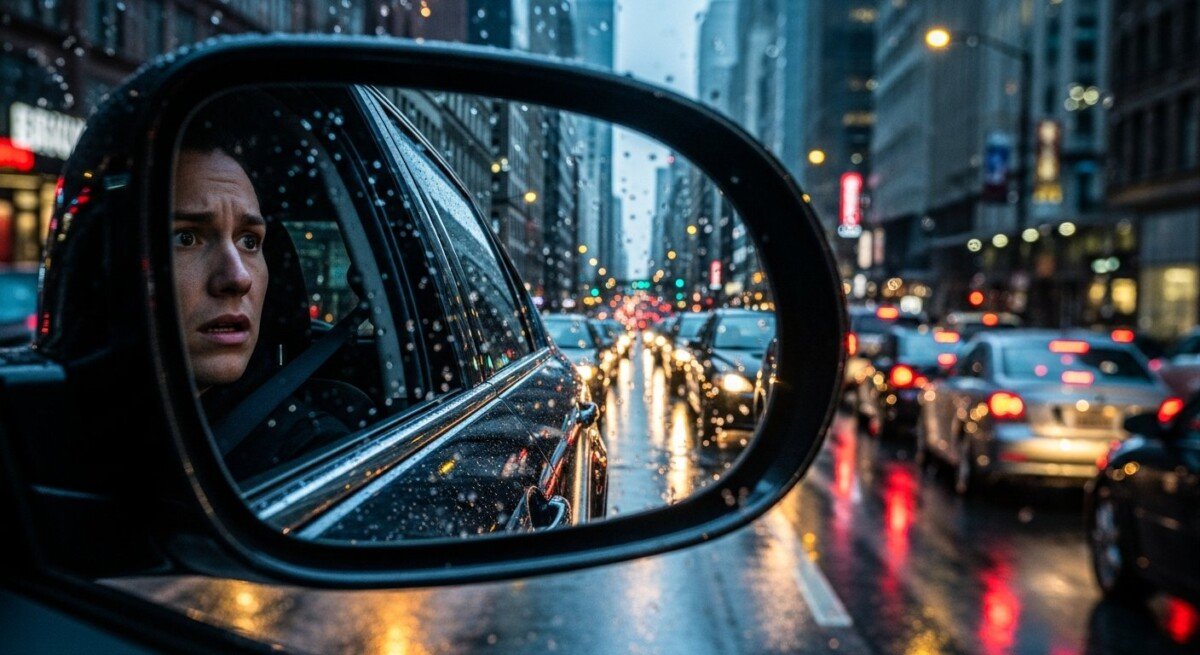
Driving in a congested city or a bustling metropolitan corridor is a fundamentally different experience than cruising on open rural roads. The risks are higher, the chances of a fender bender are greater, and the financial stakes of an accident can be significantly more severe. For drivers navigating these dense environments, standard auto insurance policies may not provide adequate protection or value. The quest for the best auto insurance for high-traffic areas isn’t just about finding the cheapest rate, it’s about identifying a carrier that offers robust coverage, superior claims service, and specific features designed for the urban driving reality. This guide will help you understand the unique coverage needs for congested driving and how to select a policy that turns a high-risk necessity into a manageable, well-protected part of your life.
Why High-Traffic Areas Demand Specialized Insurance Consideration
Insurance companies assess risk based on statistical probability, and few factors weigh as heavily as your primary garaging address. Living and driving in a high-traffic zone signals several elevated risks to an insurer: a higher density of vehicles directly increases the likelihood of collisions, both moving and parked. Stop-and-go traffic leads to more rear-end accidents. Urban areas typically have higher rates of vehicle theft, vandalism, and hit-and-run incidents. Furthermore, the cost of repairs and medical claims tends to be higher in cities due to increased labor rates and healthcare costs. All these variables are baked into your premium. Therefore, a policy that works well in a suburban or rural setting might leave critical gaps when you’re facing daily gridlock. Understanding this risk profile is the first step to seeking out insurers who competitively underwrite urban drivers and offer the endorsements that matter most.
Key Coverage Features to Prioritize in Congested Cities
When evaluating policies, certain coverage types move from “recommended” to “essential” for high-traffic area drivers. Simply meeting your state’s minimum liability requirements is a recipe for financial disaster, especially when the value of vehicles and potential injury claims in cities can be astronomical. A comprehensive policy framework is necessary for true peace of mind.
First and foremost, liability limits should be substantially increased. Consider carrying limits of at least 250/500/250, which means $250,000 per person for bodily injury, $500,000 per accident, and $250,000 for property damage. Given the expensive cars and high medical costs in metropolitan areas, these limits provide a crucial safety net. Equally important is uninsured/underinsured motorist (UM/UIM) coverage. Hit-and-runs are unfortunately common in crowded cities, and many drivers carry only minimal insurance. UM/UIM coverage protects you if you’re hit by someone with no insurance or insufficient coverage.
Beyond liability, physical damage coverages require careful thought. Collision coverage is a must, but consider a lower deductible if you can afford the slightly higher premium, as small accidents are frequent. Comprehensive coverage is critical for non-collision threats like theft, vandalism, and falling objects (think city construction). For newer vehicles, rental car reimbursement and roadside assistance are invaluable features. Being stranded in traffic with a dead battery is bad enough, without having to pay out-of-pocket for a tow to the nearest garage, which could be miles away in slow traffic.
Here is a checklist of coverage enhancements to discuss with your agent:
- Increased Liability Limits: Aim for 250/500/250 or higher.
- Robust UM/UIM Coverage: Match your liability limits.
- Lower Deductibles: For collision and comprehensive, if budget allows.
- Rental Reimbursement: With a daily limit that covers urban rental costs.
- Roadside Assistance: Including towing, lockout service, and battery jumps.
- New Car Replacement or Gap Insurance: If your vehicle is leased or financed.
Evaluating Insurance Companies: Beyond the Premium
The cheapest quote is rarely the best auto insurance for high-traffic areas. The insurer’s operational strengths in claims handling, customer service, and local network presence are paramount. You need a company that can handle a claim efficiently after a stressful accident in a busy intersection. Research companies known for strong customer satisfaction in urban regions. Look for insurers with a wide network of approved repair shops in your city, preferably with loaner car arrangements. Digital tools are also key: a highly-rated mobile app for digital claims filing, photo uploads for estimates, and policy management can save immense time and hassle. Furthermore, some insurers offer usage-based or telematics programs that can benefit safe drivers even in congested areas. These programs monitor driving behaviors like hard braking, but if you are a cautious driver in traffic, you could earn a significant discount. Exploring these programs can be a strategic way to lower costs, as detailed in our resource on how to get the best auto insurance rates with no accidents.
Proactive Strategies to Lower Your High-Traffic Insurance Costs
While premiums are inherently higher in cities, you are not powerless. Several strategies can help you secure better rates. Start by bundling your auto policy with renters or homeowners insurance from the same carrier, which almost always triggers a multi-policy discount. Maintain a clean driving record, as even a single moving violation can disproportionately impact your urban premium. If possible, consider using public transportation occasionally and asking your insurer about a low-mileage discount. Parking your car in a secure, off-street garage overnight, as opposed to on the street, can also lower your premium by reducing the risk of theft and vandalism.
Increasing your deductible is a classic way to lower your premium, but weigh this carefully against the frequency of small claims in your area. The most powerful step is to shop around consistently. Insurance markets change, and a company that was expensive last year might be competitive now. Get quotes from at least three to five insurers, including both major national carriers and those specializing in your region. For drivers who may be classified as higher risk due to past incidents, specialized shopping is even more critical. Our guide on finding affordable auto insurance for high-risk drivers offers targeted tactics for this situation.
Finally, never overlook available discounts. Ask every insurer about discounts for safe driving, defensive driving courses, good student (if applicable), anti-theft devices, and electronic billing. Some companies offer affinity discounts through employers or alumni associations. Being vigilant about seasonal discounts and promotions can also yield unexpected savings.
Frequently Asked Questions
Is auto insurance more expensive in high-traffic areas?
Yes, almost universally. Insurers base premiums on risk, and dense urban areas have statistically higher rates of accidents, theft, and vandalism, leading to higher costs.
What is the most important coverage to increase in the city?
Liability and Uninsured/Underinsured Motorist coverage are the top priorities. Protecting your assets from a lawsuit and from drivers with no insurance is crucial where accident frequency and severity are higher.
Will a minor accident affect my premium more if I live in a city?
Potentially, yes. Insurers view urban drivers as higher risk to begin with, so an at-fault accident can compound that risk assessment, leading to a steeper rate increase than a similar driver in a low-risk area might see.
How can I prove I’m a safe driver in heavy traffic?
Enroll in a usage-based insurance program if offered. These programs use your smartphone or a plug-in device to monitor driving habits. Smooth braking and acceleration, even in traffic, can demonstrate safe behavior and earn you a discount.
Does parking in a garage save money on insurance?
Yes, it often does. Parking in a locked, secure garage overnight significantly reduces the risk of theft, vandalism, and weather-related damage, which can translate to a lower comprehensive premium.
Securing the right auto insurance for high-traffic commuting requires a shift in perspective from cost-minimization to risk-management optimization. By prioritizing high coverage limits, choosing an insurer with a strong urban service network, and employing every available discount strategy, you can navigate congested roads with confidence. Remember, the right policy is an investment in your financial security, transforming the unavoidable risks of city driving from a source of anxiety into a managed variable. For location-specific insights, you can see how these principles apply in markets like finding affordable coverage in Savannah, GA, which shares many urban insurance dynamics.