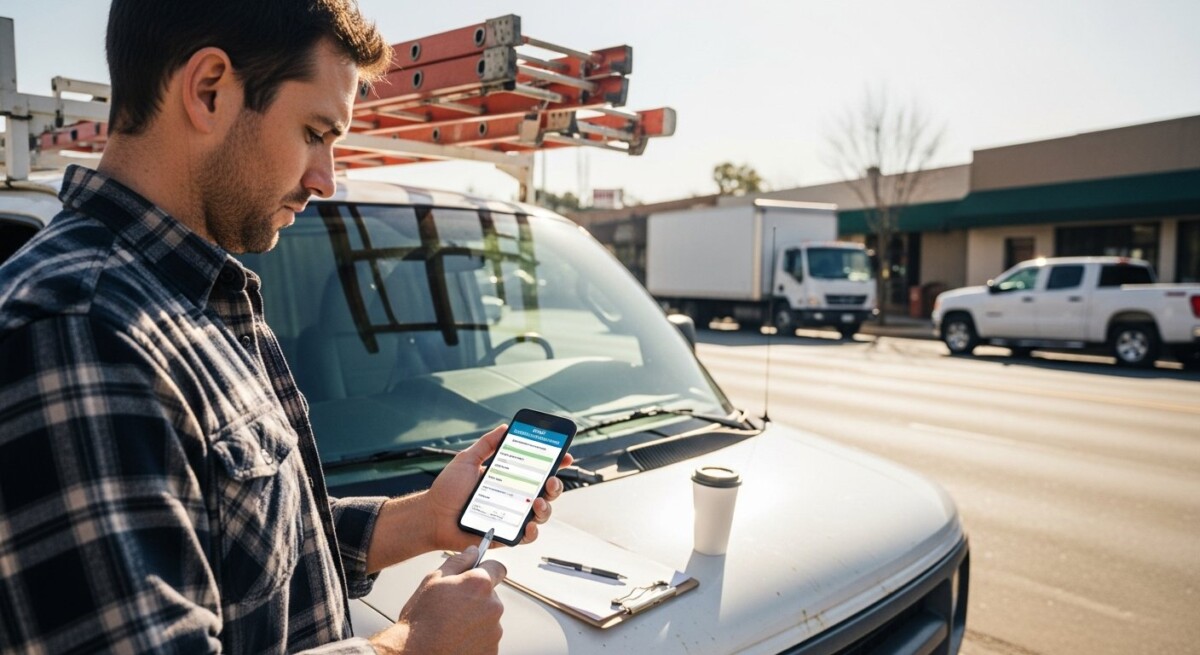
When you run a business that relies on vehicles, the cost of protecting those assets can feel like a guessing game. You know you need coverage, but the premiums vary wildly from one insurer to the next. This uncertainty often leads business owners to accept the first renewal quote they receive, leaving money on the table. The smartest move you can make is to compare auto commercial insurance quotes from multiple carriers. This process shifts the power back into your hands, allowing you to find a policy that fits both your budget and your operational risks.
Commercial auto insurance is not a one-size-fits-all product. A landscaping company with a single pickup truck has vastly different needs than a food delivery fleet operating in a dense city. By gathering multiple quotes, you force insurers to compete for your business. This competition often reveals significant price differences for the exact same coverage limits. More importantly, the process of comparing quotes forces you to evaluate what your business actually needs, preventing you from overpaying for unnecessary coverage or, worse, underinsuring your company against a serious accident.
In this guide, we will walk through the key factors that influence your rates, the types of coverage you should consider, and the exact steps to get accurate quotes. We will also explain how our platform at Free Auto Insurance Quotes Online simplifies this process for business owners across the United States.
Why Commercial Auto Insurance Costs More Than Personal Insurance
Many first-time business owners are shocked when they see their first commercial auto insurance quote. The premium is often two to three times higher than what they paid for a personal policy on the same vehicle. This price difference exists for several concrete reasons that underwriters use to calculate risk.
First, commercial vehicles accumulate significantly more miles each year. A personal car might log 12,000 to 15,000 miles annually, while a work truck or delivery van can easily exceed 30,000 miles per year. More miles on the road translates directly to a higher probability of accidents. Second, commercial policies cover the business’s liability, not just the driver’s personal liability. If an employee causes a crash, the injured party can sue the business for damages far exceeding what a personal policy would cover. Insurers charge higher premiums to account for this elevated exposure.
Third, the type of work performed matters. Hauling heavy equipment, transporting hazardous materials, or making frequent deliveries in congested areas all increase risk. Insurers review your specific industry classification and driving record of all listed drivers. Even one at-fault accident involving a company vehicle can cause your premium to spike dramatically at renewal.
Key Coverage Types You Must Understand
Before you start collecting auto commercial insurance quotes, you need to understand the basic building blocks of a commercial auto policy. This knowledge allows you to compare apples to apples and avoid buying coverage that does not protect your business.
Liability Coverage (Bodily Injury and Property Damage)
This is the foundation of any commercial auto policy. It pays for injuries or damage you cause to others in an accident. Most states require a minimum amount of liability coverage, but the state minimum is rarely enough for a business. If a serious accident exceeds your liability limit, your business assets could be at risk. Many experts recommend at least $1 million in combined single limit liability for commercial policies.
Physical Damage Coverage (Comprehensive and Collision)
Comprehensive coverage pays for damage from non-collision events such as theft, vandalism, hail, or hitting an animal. Collision coverage pays for damage to your vehicle when you hit another car or object. If you finance or lease your commercial vehicles, the lender will almost certainly require both coverages. Even if you own the vehicles outright, consider whether your business could absorb the cost of replacing a total loss out of pocket.
Medical Payments and Uninsured Motorist Coverage
Medical payments coverage pays for medical bills for you and your passengers regardless of fault. Uninsured or underinsured motorist coverage steps in when the other driver lacks adequate insurance. Given that roughly one in eight drivers on the road is uninsured, this coverage is a critical safeguard for your business.
Factors That Influence Your Commercial Auto Insurance Rate
Insurance companies use a complex algorithm to calculate your premium, but the following factors carry the most weight. Understanding these elements helps you identify areas where you can potentially lower your costs.
- Vehicle type and usage: Heavy trucks, vans with specialized equipment, and vehicles used for long-haul routes cost more to insure than standard sedans used for local errands.
- Driver history: Each employee who operates a company vehicle must be listed on the policy. Their driving records, including speeding tickets, accidents, and DUIs, directly affect your rate.
- Business location and radius: Insurers consider where you park the vehicles overnight and the geographic area where you operate. Urban areas with higher accident rates typically see higher premiums.
- Claims history: A history of frequent claims signals higher future risk. Businesses with clean claims records over three to five years often qualify for better rates.
- Annual mileage and routes: More miles driven and routes that include highways or congested city streets increase exposure and therefore premiums.
One factor you can control is the selection of drivers. Implementing a strict hiring policy that checks driving records can prevent high-risk employees from inflating your insurance costs. Additionally, installing telematics devices or dash cams in your vehicles may qualify your business for a safety discount with certain carriers.
How to Gather Accurate Auto Commercial Insurance Quotes
The quality of your quotes depends entirely on the accuracy of the information you provide. If you underestimate mileage or fail to list a driver, the quote you receive will be invalid. Here is a step-by-step process to ensure you get reliable numbers.
Begin by gathering all relevant documentation for each vehicle in your fleet. This includes the vehicle identification number (VIN), current odometer reading, vehicle make and model, and the title or lease agreement. Next, compile a list of every employee who will drive the vehicle, including their full name, date of birth, and driver’s license number. Do not omit occasional drivers, as they must be covered under the policy.
Once you have this information, decide on the coverage limits you want. Use the same limits for every quote request. If you ask one insurer for $500,000 liability and another for $1 million liability, the quotes will not be comparable. After setting your limits, submit your information to multiple carriers. Our platform at Free Auto Insurance Quotes Online streamlines this step by connecting you with multiple licensed agents who can provide competitive quotes based on your exact business profile.
Comparing Quotes: What to Look For Beyond Price
It is tempting to simply choose the cheapest quote, but the lowest premium is not always the best value for your business. You must examine the details of each policy to avoid gaps in coverage. Pay close attention to the deductible amounts for comprehensive and collision coverage. A lower premium often comes with a higher deductible, which means you will pay more out of pocket before insurance kicks in after a claim.
Also review the policy exclusions. Some commercial auto policies exclude coverage for certain types of cargo, specific driver age groups, or operations outside a defined geographic area. If your business expands or you hire a younger driver, these exclusions could leave you exposed. Read the declarations page carefully and ask each agent to explain any clauses you do not understand.
Finally, evaluate the insurer’s financial strength and claims handling reputation. A cheap policy from a company with poor customer service can cost you dearly in lost time and frustration when you need to file a claim. Check ratings from agencies like A.M. Best or Standard & Poor’s, and read online reviews from other business owners in your industry.
Common Discounts for Commercial Auto Policies
Most insurers offer discounts that can significantly reduce your premium. Ask each agent about the following savings opportunities.
- Multi-vehicle discount: Insuring multiple vehicles under the same policy often reduces the per-vehicle rate.
- Paid-in-full discount: Paying the entire annual premium upfront instead of monthly installments can save you 5 to 10 percent.
- Safety course discount: Completing an approved defensive driving course for your employees can lower rates.
- Telematics or usage-based discount: Allowing the insurer to monitor driving habits through a device or smartphone app can reward safe driving with lower premiums.
- Bundling discount: Purchasing your commercial auto policy from the same insurer that provides your general liability or workers’ compensation coverage often yields a discount.
Not all discounts are available from every carrier, which is another reason to compare multiple quotes. One insurer might offer a generous multi-policy discount while another offers better rates for low-mileage fleets. By shopping around, you can find the combination of discounts that works best for your specific situation.
When to Update Your Commercial Auto Insurance
Your business is not static, and neither should your insurance policy be. Review your coverage whenever you experience a significant change in operations. For example, if you purchase a new vehicle, hire a new driver, or expand your service area to a new state, your existing policy may no longer provide adequate protection. Similarly, if you sell a vehicle or lay off a driver, you may be overpaying for coverage you no longer need.
Many business owners set an annual reminder to compare auto commercial insurance quotes at renewal time. This habit ensures you are not automatically renewing a policy that has increased in price without justification. Even a small rate increase from one year to the next can compound over time. In our guide on how to find cheap auto insurance quotes in West Virginia, we discuss how shopping around every 12 months can uncover significant savings.
Also consider reviewing your policy if your business receives a large insurance rate hike. Sometimes a single claim or a change in the insurer’s underwriting guidelines can cause your premium to jump. If this happens, do not simply accept the increase. Instead, request quotes from at least three other carriers to see if the market offers a more competitive option.
Frequently Asked Questions
How many auto commercial insurance quotes should I get?
Three to five quotes from different carriers is the standard recommendation. This range gives you enough data to identify outliers and find a competitive rate without overwhelming yourself with paperwork.
Can I use my personal auto insurance for business use?
No. Personal auto insurance policies explicitly exclude coverage for business use except for very limited commuting. If you use your personal vehicle for work errands or deliveries and cause an accident, your personal insurer can deny the claim entirely.
Do I need commercial auto insurance for a single work van?
Yes, if the van is used primarily for business purposes such as transporting equipment, tools, or products. Even a single vehicle used for commercial activity requires a commercial policy to ensure proper liability protection.
What information do I need to get a quote?
You will need the VIN for each vehicle, the annual mileage estimate, the names and driver’s license numbers of all employees who will drive, your business address, and the desired coverage limits.
How long does it take to compare quotes?
Using an online comparison platform like Free Auto Insurance Quotes Online, you can typically complete the process in 10 to 15 minutes. Quotes are often delivered within minutes to a few hours depending on the carriers.
Take Control of Your Business Insurance Costs
Comparing auto commercial insurance quotes is not a one-time task. It is an ongoing strategy that protects your bottom line and ensures your business has the right coverage as it grows. The time you invest in gathering quotes and reviewing policy details pays dividends in lower premiums and better protection. Start your free comparison today and see how much you could save on your commercial auto policy.
When you use a service that connects you with multiple carriers, you eliminate the hassle of calling each insurer individually. You provide your information once, and licensed agents compete for your business. This approach not only saves time but also ensures you see the full range of pricing options available in your area. Whether you operate a single vehicle or a large fleet, the principle remains the same: informed comparison leads to smarter insurance decisions. Learn how drivers in North Dakota find affordable coverage by applying the same quote-comparison discipline to their commercial policies.
Do not wait until your current policy expires to start shopping. Begin the process at least four weeks before your renewal date. This timeline gives you room to negotiate with your current insurer if they offer a competitive retention discount, and it ensures you have a new policy in place before the old one lapses. Business owners in Alaska have used this approach to secure better rates for their fleets operating in challenging conditions. Your business deserves the same level of diligence.