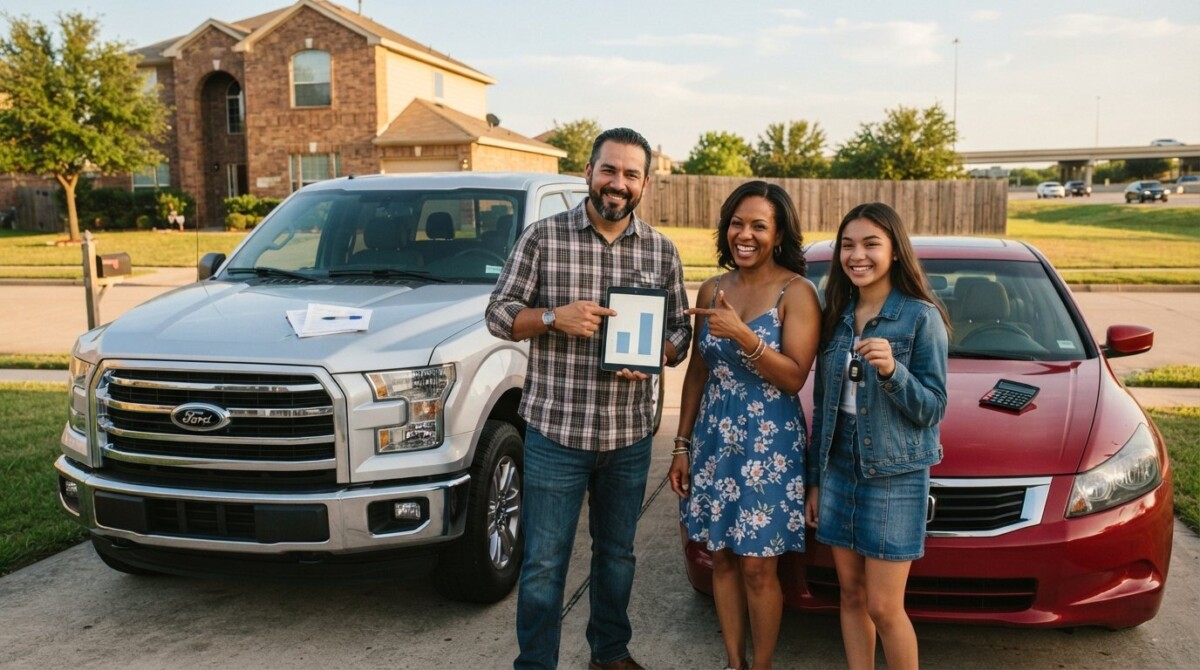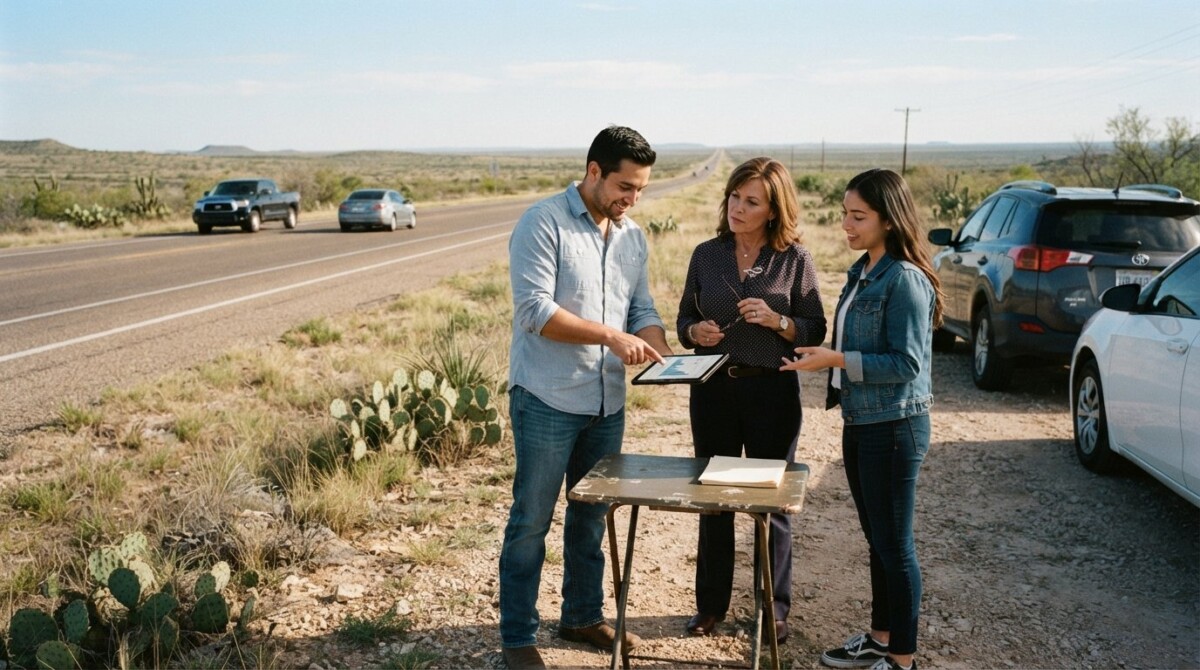
Buying a new car is an exciting milestone, but the moment you drive off the lot, you need proof of insurance. Many dealerships require it before you can even take the keys. If you are asking yourself “How do I get auto insurance for a new car,” the answer involves a few clear steps that protect both your investment and your finances. This guide walks you through the entire process, from understanding coverage requirements to securing the best rate.
Understanding Insurance Requirements for a New Car
Before you shop for a policy, you must know what coverage your state mandates and what your lender requires. Every state has minimum liability limits, but if you financed or leased your vehicle, the bank or leasing company will almost certainly demand comprehensive and collision coverage. These coverages protect the lender’s asset. If you skip them, you risk violating your loan agreement. At a minimum, you need liability insurance to cover injuries and property damage you cause to others. However, for a new car, full coverage is strongly recommended even if your lender does not require it. A new vehicle depreciates quickly, but repair costs remain high. Without comprehensive and collision, you could pay thousands out of pocket for a single accident.
How Do I Get Auto Insurance for a New Car: The Core Process
The process of getting insurance for a new car is straightforward when you break it down into steps. First, gather information about the vehicle: the VIN, make, model, year, and purchase price. You also need your current policy details if you already have insurance. Next, decide whether to add the car to your existing policy or start a new one. Most people add a new vehicle to their current plan because it is faster and often yields multi-car discounts. Contact your insurer directly or use a comparison platform like Free Auto Insurance Quotes Online to see rates from multiple carriers at once. Provide accurate mileage estimates and intended use. Then, choose your coverage limits and deductibles. Finally, bind the policy and provide proof to the dealer. You can often bind coverage over the phone or online in under fifteen minutes.
What Information You Need Ready
Having the right details on hand speeds up the quote process significantly. Insurers need the vehicle identification number, the purchase date, and the odometer reading at delivery. They also ask about safety features like anti-lock brakes and anti-theft devices. If you are trading in a vehicle, have that information ready too. Many insurers offer a grace period of 7 to 30 days after you buy a new car if you already have a policy, but do not rely on this without confirming with your agent.
Comparing Quotes to Find the Best Rate
Insurance rates for a new car can vary dramatically between companies. A difference of several hundred dollars per year is common. That is why comparing multiple quotes is essential. Use a trusted comparison tool that lets you see side-by-side coverage options. Look beyond the premium: check deductibles, coverage limits, and exclusions. Some insurers offer new car replacement coverage, which pays for a brand-new vehicle if yours is totaled within the first year or two. Others offer gap insurance, which covers the difference between what you owe on the loan and the car’s depreciated value. Both are valuable for new car owners. When you compare, focus on these key factors:
- Comprehensive and collision deductibles (lower deductibles mean higher premiums)
- Liability limits (consider 100/300/50 or higher for better protection)
- Available discounts (multi-policy, safe driver, anti-theft, and new car discounts)
- Gap insurance or new car replacement options
- Customer service ratings and claims satisfaction scores
After reviewing these factors, you can make an informed choice. Do not automatically choose the cheapest policy. A low premium with poor customer service or inadequate coverage can cost you more in the long run. For more insights on how rates are determined, read our 2026 Auto Insurance Trends Shaping Your Rates article.
When to Buy Insurance for a New Car
Timing matters more than you might think. Ideally, you secure insurance before you sign the purchase paperwork. If you already have an active policy, many insurers automatically provide coverage for a newly purchased vehicle for a limited time. This grace period typically lasts 7 to 30 days, but it varies by company and state. During that window, your existing coverage extends to the new car at the same level as your highest-covered vehicle. However, this automatic coverage may not include comprehensive or collision if your current policy lacks them. Confirm with your agent immediately. If you are a first-time buyer or do not currently have insurance, you must purchase a policy before driving the car. The dealership will likely request a binder or proof of insurance before letting you leave. An insurance binder is a temporary document that confirms coverage is in effect. You can get one from your insurer within minutes.
Coverage Options Every New Car Owner Should Consider
Standard liability coverage is rarely enough for a new vehicle. Here are additional coverages worth evaluating:
- Collision coverage: Pays for damage to your car from an accident, regardless of fault. Essential for financed vehicles.
- Comprehensive coverage: Covers theft, vandalism, weather damage, and animal strikes. Protects against non-collision risks.
- Gap insurance: Covers the difference between your loan balance and the car’s actual cash value if totaled. Highly recommended for loans with little down payment.
- New car replacement: Provides a brand-new vehicle of the same make and model if your car is totaled within a specified period (often 1-2 years).
- Rental reimbursement: Covers the cost of a rental car while your vehicle is being repaired after a covered claim.
Each of these adds cost, but they also add significant protection. For a new car, the peace of mind is often worth the extra premium. If you are a first-time buyer, our 2026 Auto Insurance Guide for First-Time Buyers offers additional details on choosing the right coverages.
Discounts That Reduce Your New Car Insurance Premium
Insurers offer many discounts that can lower your rate significantly. New cars often qualify for safety feature discounts because they include advanced technology like automatic braking, lane departure warnings, and airbags. Here are common discounts to ask about:
- Multi-policy discount (bundling auto with home or renters insurance)
- Multi-car discount (insuring more than one vehicle on the same policy)
- Safe driver discount (clean driving record for three to five years)
- Anti-theft device discount (factory-installed alarm or tracking system)
- New vehicle discount (some insurers offer lower rates for cars under three years old)
- Paperless billing or automatic payment discount
Ask your agent or the comparison platform to apply all applicable discounts. You might save 10% to 25% off your base premium. For younger drivers, there are additional savings opportunities. Check out our article on 2026 Auto Insurance Discounts for Students: Save Big for more ideas.
Common Mistakes to Avoid When Insuring a New Car
Many new car owners make errors that cost them money or leave them underinsured. One common mistake is assuming your current policy automatically covers a new car at the same level. Always verify. Another is choosing the lowest possible liability limits to save a few dollars. If you cause a serious accident, those limits could be exhausted quickly, leaving you personally responsible for the rest. A third mistake is skipping gap insurance when you have a large loan. If your car is totaled, the insurance payout may be thousands less than what you owe. A fourth mistake is not shopping around. Sticking with your current insurer without comparing rates can mean overpaying by hundreds of dollars per year. Finally, do not forget to update your policy if you move to a new state or change your driving habits. Your rate is based on where the car is parked and how it is used.
How to Switch Insurance Carriers for a New Car
If you find a better rate with a new insurer, switching is simple. First, secure the new policy before canceling the old one. Set the effective date of the new policy to match the date you take delivery of the car. Once the new policy is active, cancel the old one. Be aware of any cancellation fees, though most insurers do not charge them if you are switching to another carrier. Request a refund for any unused premium. Then, provide the new proof of insurance to your lender and the dealership. Keep copies of both policies for your records. Switching mid-policy is common and often saves money, especially if your current insurer raised rates recently.
Frequently Asked Questions
Can I drive a new car off the lot without insurance?
In most states, you cannot legally drive a new car without proof of insurance. If you have an existing policy, some insurers provide a temporary grace period. However, it is safer to arrange coverage before you leave the dealership.
How do I get auto insurance for a new car if I don’t have a policy yet?
You can purchase a new policy online, over the phone, or through a local agent. Use a comparison platform to get quotes from multiple carriers, choose your coverage, and bind the policy instantly. The insurer will email or fax a binder to the dealer.
Does my credit score affect my new car insurance rate?
In most states, yes. Insurers use credit-based insurance scores to predict risk. A higher score typically leads to lower premiums. If your credit is less than perfect, compare quotes from insurers that emphasize other factors.
Should I get gap insurance on a new car?
Yes, if you financed the vehicle with a small down payment or a long loan term. Gap insurance protects you from owing money after a total loss. It is inexpensive compared to the potential financial hit.
How long does it take to get insurance for a new car?
It can take as little as 10 to 15 minutes if you have your information ready. Online quote tools and phone agents can bind coverage quickly. Some insurers offer instant bind and email your proof of insurance immediately.
Final Steps to Secure Your New Car Insurance
Getting insurance for a new car does not have to be stressful. Start by understanding what coverage you need, gather your vehicle details, and compare quotes from multiple companies. Use a reliable platform like Free Auto Insurance Quotes Online to streamline the process. Once you find the right policy, bind it before you drive off the lot. Review your coverage annually, especially as your car ages and your loan balance decreases. For young or first-time drivers, our 2026 Auto Insurance Tips for Young Drivers provides additional guidance. Protect your investment with the right coverage and enjoy the road ahead.