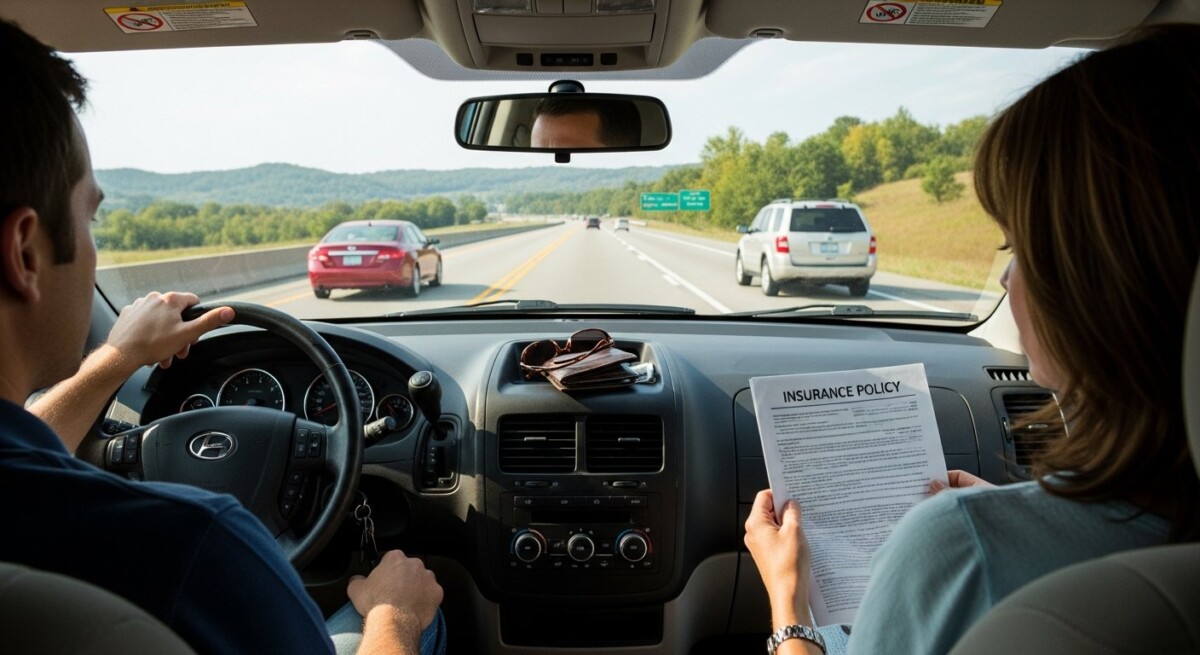
Driving in Pennsylvania comes with unique rules and requirements, especially when it comes to auto insurance. Unlike many other states, Pennsylvania operates under a choice no-fault system, meaning drivers can select their level of protection. Understanding how auto insurance in Pennsylvania works is essential for avoiding legal penalties and financial surprises. Whether you are a new driver or a longtime resident, the right policy can save you money and stress. This guide breaks down the key elements of auto insurance in Pennsylvania, from minimum coverage to optional add-ons, so you can make informed decisions.
Minimum Coverage Requirements in Pennsylvania
Pennsylvania law mandates that all drivers carry a minimum level of liability insurance. This coverage pays for injuries or property damage you cause to others in an accident. The required minimums are $15,000 per person for bodily injury, $30,000 per accident for bodily injury, and $5,000 for property damage. These numbers are often written as 15/30/5. While these limits meet the legal threshold, they may not be enough to cover serious accidents. Medical costs and vehicle repairs can quickly exceed $15,000, leaving you personally responsible for the difference.
In addition to liability coverage, Pennsylvania requires first-party medical benefits, often called MedPay. This covers your own medical expenses after an accident, regardless of who caused it. The minimum MedPay limit is $5,000. However, many drivers choose higher limits to protect against escalating healthcare costs. If you have health insurance, you might opt for a lower MedPay limit, but it is worth comparing deductibles and copays. For a deeper look at affordable options, check out our guide on cheap auto insurance in Savannah, GA for regional comparisons.
Choosing Between Limited Tort and Full Tort
One of the most important decisions you will make when buying auto insurance in Pennsylvania is choosing between limited tort and full tort. This choice affects your right to sue for pain and suffering after an accident. Limited tort is the cheaper option. With limited tort, you give up the right to sue for non-economic damages like pain and suffering unless you suffer a serious injury defined by state law. Serious injuries include death, permanent disfigurement, or loss of a body function. In exchange for this limitation, your premium is lower.
Full tort gives you the unrestricted right to sue for pain and suffering after any accident, regardless of injury severity. This option costs more, but it provides greater legal protection. If you are in an accident caused by another driver, full tort allows you to recover compensation for emotional distress, reduced quality of life, and other intangible losses. Many financial experts recommend full tort if you can afford it because limited tort can leave you with limited recourse after a minor accident that still causes lasting pain. Your choice directly impacts your premium, so weigh the cost difference carefully.
How Tort Choice Affects Your Premium
Insurance companies calculate premiums based on risk. Limited tort reduces risk for the insurer because it limits potential lawsuits. As a result, limited tort policies are generally 10 to 20 percent cheaper than full tort policies. However, the savings come at a cost. If you are injured in a crash caused by a distracted driver and you have limited tort, you cannot sue for pain and suffering unless your injury meets the serious threshold. This can be frustrating if you have chronic back pain that does not qualify under the legal definition. Always read the fine print and consider your personal risk tolerance.
If you are looking for ways to offset the cost of full tort, explore seasonal discounts: save on auto insurance by bundling policies or maintaining a clean driving record. Many insurers offer discounts for safe driving, low mileage, and completing defensive driving courses. Combining these discounts can make full tort more affordable.
Additional Coverage Options Worth Considering
Beyond the minimum requirements, several optional coverages can protect you and your vehicle. Uninsured and underinsured motorist coverage is highly recommended. Despite state laws, many drivers still operate without insurance. If an uninsured driver hits you, this coverage pays for your injuries and property damage. Similarly, underinsured motorist coverage kicks in when the at-fault driver has insurance but not enough to cover your full damages. Given that many drivers carry only the state minimum, this coverage is a smart safety net.
Collision and comprehensive coverage are also important if you have a newer or financed vehicle. Collision covers damage to your car from an accident, regardless of fault. Comprehensive covers non-collision events like theft, vandalism, fire, or hitting a deer. If you lease or finance your car, your lender will likely require both. Even if you own your car outright, comprehensive coverage is relatively inexpensive and can save you from paying out of pocket for a stolen vehicle. For tips on bundling these coverages, see our article on how to combine discounts to save on auto insurance.
Rental reimbursement and roadside assistance are low-cost add-ons that provide convenience. Rental reimbursement pays for a rental car while your vehicle is being repaired after a covered claim. Roadside assistance covers towing, flat tires, lockouts, and jump-starts. These features are especially useful if you rely on your car for commuting or have no alternative transportation. Most insurers offer them for a few dollars per month.
Factors That Influence Your Premium
Insurance companies use a variety of factors to set your rate for auto insurance in Pennsylvania. Your driving record is the most significant factor. Tickets, at-fault accidents, and DUIs can increase your premium by 30 to 50 percent or more. Your age also matters. Young drivers under 25 pay higher rates due to statistical risk, while drivers over 50 often see lower rates. Your credit history can affect your premium in most states, including Pennsylvania. Insurers use credit-based insurance scores to predict claim likelihood. Maintaining good credit can lower your rate.
Where you live within Pennsylvania also impacts your rate. Urban areas like Philadelphia and Pittsburgh have higher rates due to increased traffic, theft, and vandalism. Rural areas typically have lower rates. The type of car you drive matters too. Sports cars and luxury vehicles cost more to insure because they are expensive to repair and more likely to be stolen. Sedans and minivans generally have lower premiums. Your annual mileage also plays a role. The less you drive, the lower your risk, so low-mileage discounts are common. Finally, your choice of deductible affects your premium. A higher deductible lowers your monthly payment but increases out-of-pocket costs if you file a claim.
For students and educators, there are specific discounts available. Check out our resource on auto insurance discounts for students and educators to see if you qualify. Good student discounts can reduce premiums by up to 25 percent for drivers under 25 who maintain a B average or higher.
How to Shop for the Best Rate
Finding the best auto insurance in Pennsylvania requires comparison shopping. Rates vary significantly between insurers, even for the same coverage. Start by gathering quotes from at least three companies. Use online comparison tools or work with an independent agent who can quote multiple carriers. When comparing quotes, ensure each policy has the same limits, deductibles, and tort option. Otherwise, you are comparing apples to oranges.
Look beyond the price. Check each insurer’s financial strength rating from agencies like A.M. Best or Standard & Poor’s. A financially stable company is more likely to pay claims promptly. Also, read customer reviews about claims handling. A cheap policy is not worth it if the insurer delays or denies legitimate claims. Consider bundling your auto policy with homeowners or renters insurance for a multi-policy discount. Many insurers also offer discounts for paying your premium in full upfront rather than monthly installments.
Ask about specific discounts. Common discounts include:
- Safe driver discount for no accidents or tickets in three to five years
- Multi-car discount for insuring multiple vehicles on the same policy
- Anti-theft device discount for cars with alarms or tracking systems
- Defensive driving course discount for completing an approved course
- Paperless billing discount for receiving documents electronically
Not all discounts are advertised, so ask directly. Even a 5 percent discount can add up over time. Review your policy annually to ensure you are not missing new discounts or overpaying for coverage you no longer need. Life changes like moving, getting married, or retiring can lower your rate.
What to Do After an Accident in Pennsylvania
If you are involved in a car accident in Pennsylvania, your first priority is safety. Check for injuries and move to a safe location if possible. Call 911 to report the accident and request medical help if needed. Exchange information with the other driver, including names, contact details, insurance company, and policy numbers. Take photos of the scene, vehicle damage, and any visible injuries. Also, get contact information from witnesses.
Notify your insurance company as soon as possible. Most insurers have mobile apps that allow you to file a claim quickly. Provide accurate details about the accident, but avoid admitting fault. Let the investigation determine liability. If you have limited tort, remember that you cannot sue for pain and suffering unless your injury is serious. If you have full tort, you have broader rights. Keep all medical records and receipts related to the accident for your claim.
Pennsylvania has a statute of limitations for filing a lawsuit after an accident. For personal injury claims, you generally have two years from the date of the accident. For property damage, the limit is also two years. If you miss these deadlines, you lose your right to sue. Consulting with an attorney can help you understand your options, especially if the accident involves serious injuries or disputed liability.
Frequently Asked Questions
Is auto insurance required in Pennsylvania?
Yes, Pennsylvania law requires all drivers to carry liability insurance and first-party medical benefits. Driving without insurance can result in fines, license suspension, and vehicle impoundment. The minimum liability limits are 15/30/5, and the minimum MedPay is $5,000.
What is the difference between limited tort and full tort?
Limited tort restricts your right to sue for pain and suffering unless you suffer a serious injury defined by law. Full tort allows you to sue for pain and suffering after any accident, regardless of injury severity. Limited tort is cheaper, but full tort provides more legal protection.
Can I get auto insurance with a bad driving record in Pennsylvania?
Yes, many insurers specialize in high-risk drivers. Your premium will be higher, but you can still obtain coverage. Shopping around and comparing quotes is essential. Some insurers offer accident forgiveness programs that prevent your rate from increasing after your first at-fault accident.
Does Pennsylvania require uninsured motorist coverage?
Uninsured motorist coverage is not required by law, but insurers must offer it to you. You have the right to reject it in writing. Given the number of uninsured drivers on the road, carrying this coverage is strongly recommended.
How can I lower my auto insurance premium in Pennsylvania?
You can lower your premium by choosing limited tort, raising your deductible, bundling policies, maintaining a clean driving record, and taking advantage of discounts for safe driving, low mileage, and good student status. Comparing quotes annually also helps you find better rates.
Understanding auto insurance in Pennsylvania is the first step to protecting yourself on the road. By knowing the minimum requirements, choosing the right tort option, and exploring discounts, you can find a policy that fits your budget and lifestyle. Review your coverage regularly and adjust as your needs change. For personalized assistance, contact a licensed insurance agent who can help you compare options and secure the best protection for your situation.