
Rideshare Insurance Gaps for Uber and Lyft Drivers
Rideshare insurance gaps for Uber and Lyft drivers can leave you paying out of pocket. Call (833)-275-7533 to compare coverage that actually responds.

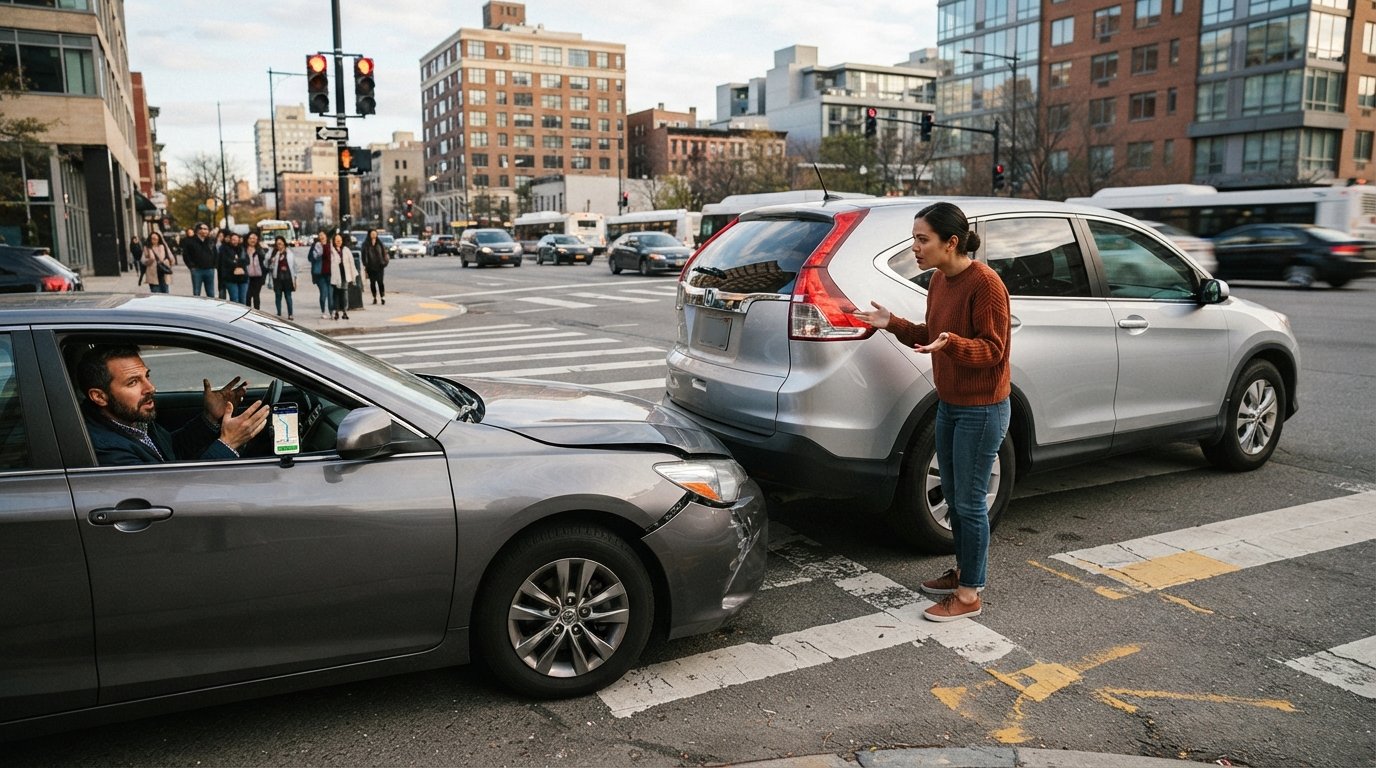
You turn on the Uber app, accept a request, and start driving toward the pickup. In the back of your mind, you assume your personal auto policy has you covered. Then a fender bender happens, and you discover the hard way that your insurer may deny the claim because you were driving for hire. This scenario plays out more often than most drivers realize, and it exposes one of the most misunderstood problems in modern auto insurance: the rideshare insurance gaps for Uber and Lyft drivers.
The gap exists because personal auto policies and commercial policies are built for different purposes. Your personal policy is priced around private passenger use, not around the higher exposure of transporting paying passengers. Rideshare companies provide some coverage, but it is layered and conditional, and it does not fill every hole. Understanding exactly where the gaps are, and how to close them, is the difference between being fully protected and being personally on the hook for thousands of dollars in damage or injury costs.
The Three Driving Phases and Which Policy Responds
Insurance for rideshare drivers is not a single switch that flips on when you start the app. It operates across three distinct phases, and each phase triggers different coverage. Knowing which policy responds in each phase is the foundation for understanding every gap that follows.
Phase 1: App off. When you are driving for personal reasons, with no rideshare app active, your personal auto policy responds normally. This is the only phase where your personal coverage works exactly as it was designed to work. The moment you open the app, that clarity begins to erode.
Phase 2: App on, waiting for a request. You are logged in and available, but no passenger has matched with you yet. This is the phase most drivers misunderstand. Many personal auto policies contain a commercial use exclusion that can apply the moment the vehicle is being used to carry persons for a fee or is available for hire. Some insurers treat the app-on waiting period as business use; others draw the line at the moment a request is accepted. The result is a gray zone that varies by carrier and by policy language, and gray zones are exactly where claim denials happen.
Phase 3: Passenger on board. Once you accept a request and a passenger is in the vehicle, you are clearly operating commercially. At this point, your personal policy is very likely excluded, and the rideshare company's commercial policy becomes the primary layer. That commercial coverage is real, but it is not the same as a full commercial auto policy, and it typically leaves meaningful gaps.
The practical takeaway is simple: the rideshare insurance gaps for Uber and Lyft drivers are concentrated in Phase 2 and Phase 3, and the severity of the gap depends on your personal policy's specific exclusion language. Drivers who never check that language are the ones most exposed.
Why Personal Policies Exclude Commercial Use and What It Means in a Claim
Personal auto policies are rated on private passenger risk. Insurers calculate premiums based on how often you drive, how far, and for what purpose. Delivering passengers for pay increases both the frequency of driving and the likelihood of claims, so insurers either exclude that use or charge a commercial rate for it. The exclusion is not a technicality; it is a core underwriting decision that appears in the policy contract.
When you file a claim, your insurer investigates the circumstances. If the adjuster finds evidence that you were logged into a rideshare app, had accepted a request, or were transporting a passenger, the claim can be denied under the commercial use exclusion. Even in the app-on waiting phase, some carriers will deny. The denial does not just affect the current claim; it can follow you, making future coverage more expensive or harder to obtain.
What does a denial actually cost? Consider a typical scenario. You are waiting for a request in Phase 2 when you rear-end another vehicle. The other driver's injury and property damage claims could easily exceed $25,000. If your personal policy denies coverage, you may be defending and paying that claim out of pocket. If you carry a loan or lease on the vehicle, the lender still expects payments, and your gap insurance, if any, may not respond either.
The better path is to disclose rideshare use when you shop for coverage. An independent comparison service can help you gather quotes from carriers that write rideshare endorsements or commercial policies, so you are comparing apples to apples instead of guessing. Resources such as NewAutoInsurance explain coverage options in plain language and can help you frame the right questions before you request quotes.
What Uber and Lyft Provide Versus What Drivers Still Need
Uber and Lyft do provide liability coverage during active rideshare periods, but the structure matters. The companies typically maintain a commercial auto liability policy that responds when the app is on, with higher limits once a passenger is matched or on board. That coverage is designed primarily to protect third parties, not to fully protect the driver's own vehicle or the driver's own financial exposure.
Here is where the gaps appear:
- Contingent coverage and deductibles: The rideshare company's policy often applies only after your personal policy responds, or it carries a deductible that can be substantial. If your personal policy denies the claim outright, the contingent structure can leave you absorbing costs.
- Collision and comprehensive for your own vehicle: The rideshare company's liability coverage does not repair your car. If you want your vehicle protected during Phase 2 and Phase 3, you generally need collision and comprehensive coverage that applies to rideshare use, which usually means a rideshare endorsement or a commercial policy.
- Gaps between phases: The app-on waiting period is the weakest link. Coverage limits can be lower before a match, and some personal policies exclude the period entirely.
- Injury protection for the driver: Personal injury protection, medical payments coverage, and uninsured motorist coverage may be excluded or limited during commercial use. If you are injured by an uninsured driver while carrying a passenger, the available recovery may be far narrower than you expect.
The common misconception is that the rideshare company's insurance is enough. It is enough to satisfy some legal requirements and to protect third parties in many situations, but it is not a substitute for a personal policy that affirmatively covers rideshare activity. Drivers who rely solely on the platform's coverage often discover the shortfall only after an accident.
Rideshare Endorsements and Commercial Policies: How Drivers Close the Gap
The good news is that the market has adapted. Many carriers now offer a rideshare endorsement, sometimes called a rideshare gap endorsement, that extends your personal policy to cover the app-on and passenger-carrying phases. The endorsement typically costs less than a full commercial policy and preserves your personal policy structure while adding the missing coverage.
For drivers who work full time or use high-value vehicles, a commercial auto policy may be the better fit. Commercial policies are built for business use and generally provide broader protection, though they cost more and may require different underwriting. The right choice depends on your hours, your vehicle, your state, and your risk tolerance.
When you request quotes as a rideshare driver, ask these questions directly:
- Does this policy include a rideshare endorsement, and which phases does it cover?
- Are collision and comprehensive included for rideshare use, and what deductible applies?
- How does the policy coordinate with the rideshare company's commercial coverage?
- Are uninsured motorist and medical payments coverage extended to rideshare driving?
- What documentation does the insurer require to prove rideshare use, and will it affect my rate?
Getting clear answers in writing before you buy is the single most effective way to avoid surprise denials. A comparison platform that connects you with licensed agents can streamline this process and help you evaluate multiple carriers side by side. The goal is not just the lowest premium; it is the policy that actually responds when you need it.
State Rules, Disclosure, and Practical Steps for Drivers
Rideshare insurance rules vary by state. Some states require rideshare companies to maintain specific coverage levels during each phase, and some require drivers to carry additional coverage. Your personal policy's obligations also vary. Because the rules are state-specific, national generalizations can be misleading, and drivers should confirm requirements for their own state before relying on any coverage assumption.
Disclosure is the other critical piece. If you do not tell your insurer that you drive for Uber or Lyft, and the policy excludes commercial use, you may be paying for coverage that will not respond. Disclosing rideshare use may raise your premium, but it is far cheaper than a denied claim. Many drivers find that the added cost of a rideshare endorsement is modest compared with the financial exposure of an uncovered accident.
A practical checklist for closing the rideshare insurance gaps for Uber and Lyft drivers looks like this:
- Read your personal policy's exclusion section and identify the commercial use language.
- Confirm whether your carrier offers a rideshare endorsement and what it costs.
- Compare quotes from multiple carriers that understand rideshare use.
- Review the rideshare company's coverage summary for each phase.
- Document your coverage decisions and revisit them annually or when your driving hours change.
Drivers who take these steps gain something more valuable than a lower rate: confidence that a claim will be paid. That confidence is the real product of good insurance, and it is worth the effort to secure it.
The rideshare insurance gaps for Uber and Lyft drivers are real, but they are not unavoidable. By understanding the three phases, reading the exclusion language, and choosing a policy that affirmatively covers rideshare activity, you can protect your vehicle, your income, and your financial future. Start by requesting quotes that account for how you actually drive, and make the coverage decision with clear eyes rather than hopeful assumptions.