
Minimum Car Insurance Requirements in Washington State 2026
Washington requires 25/50/10 liability limits and UM/UIM coverage. Compare quotes and find affordable coverage. Call (833)-275-7533 for expert help.

If you drive in Washington, you already know that the state requires auto insurance. But what exactly are the minimum car insurance requirements in Washington state for 2026, and what happens if you get pulled over without proof? Whether you are renewing your policy, shopping for a new one, or just moved to the Evergreen State, understanding the mandatory coverage limits is the first step to staying legal and avoiding costly penalties. In this guide, we break down the current liability minimums, uninsured motorist rules, electronic proof of insurance rules, and how these limits stack up against real-world repair and medical costs. We will also explain when it makes sense to buy higher limits and how to compare quotes to find the best value.
Mandatory Liability Limits for Washington Drivers in 2026
Washington state law requires all registered vehicles to carry liability insurance. The minimum car insurance requirements in Washington state 2026 are set by statute and are subject to change only if the legislature acts. As of the 2026 policy year, the minimum liability limits remain as follows:
- Bodily injury liability: $25,000 per person and $50,000 per accident.
- Property damage liability: $10,000 per accident.
These limits are often written as 25/50/10. They represent the maximum amount your insurance will pay for injuries or property damage you cause to others in an at-fault accident. It is important to note that these are minimums, not recommendations. Many financial experts and insurance professionals suggest carrying higher limits to protect your assets in case of a serious accident.
In addition to liability coverage, Washington requires uninsured/underinsured motorist coverage (UM/UIM) unless you explicitly reject it in writing. The minimum UM/UIM limits are also 25/50/10, but you can purchase higher limits. UM/UIM coverage protects you if you are hit by a driver who has no insurance or insufficient insurance to cover your injuries. Given that roughly one in eight drivers nationwide is uninsured, this coverage is particularly valuable.
Failure to maintain insurance can result in fines, license suspension, and even vehicle impoundment. Washington uses an online verification system to check insurance compliance, so gaps in coverage are easily detected. If you are caught driving without insurance, you could face a fine of $550 or more, plus court costs. Repeat offenses carry steeper penalties.
Uninsured Motorist Rules and Your Options
Washington is one of the few states that requires insurers to offer uninsured/underinsured motorist coverage. When you buy a policy, the insurer must include UM/UIM at the same limits as your liability coverage unless you sign a waiver rejecting it. This means that if you choose the minimum liability limits of 25/50/10, you will automatically get UM/UIM at 25/50/10 unless you decline it. However, rejecting UM/UIM is generally not advisable because it leaves you unprotected if you are injured by a driver who lacks adequate insurance.
UM/UIM coverage pays for medical expenses, lost wages, and other damages you suffer in an accident caused by an uninsured or underinsured driver. It can also cover property damage in some cases, but Washington law only requires UM/UIM for bodily injury. You can purchase higher UM/UIM limits than your liability limits, which is a smart move if you want extra protection for yourself and your passengers. For example, you might carry 100/300/50 liability limits and 100/300 UM/UIM limits. The cost difference is often minimal compared to the potential out-of-pocket expenses of a serious accident.
If you are unsure whether you should keep or reject UM/UIM, consider your risk tolerance and the number of uninsured drivers on the road. Washington has a relatively high rate of uninsured drivers, so carrying this coverage is a prudent choice. When comparing quotes, make sure to ask for UM/UIM limits that match or exceed your liability limits.
Electronic Proof of Insurance: What You Need to Know
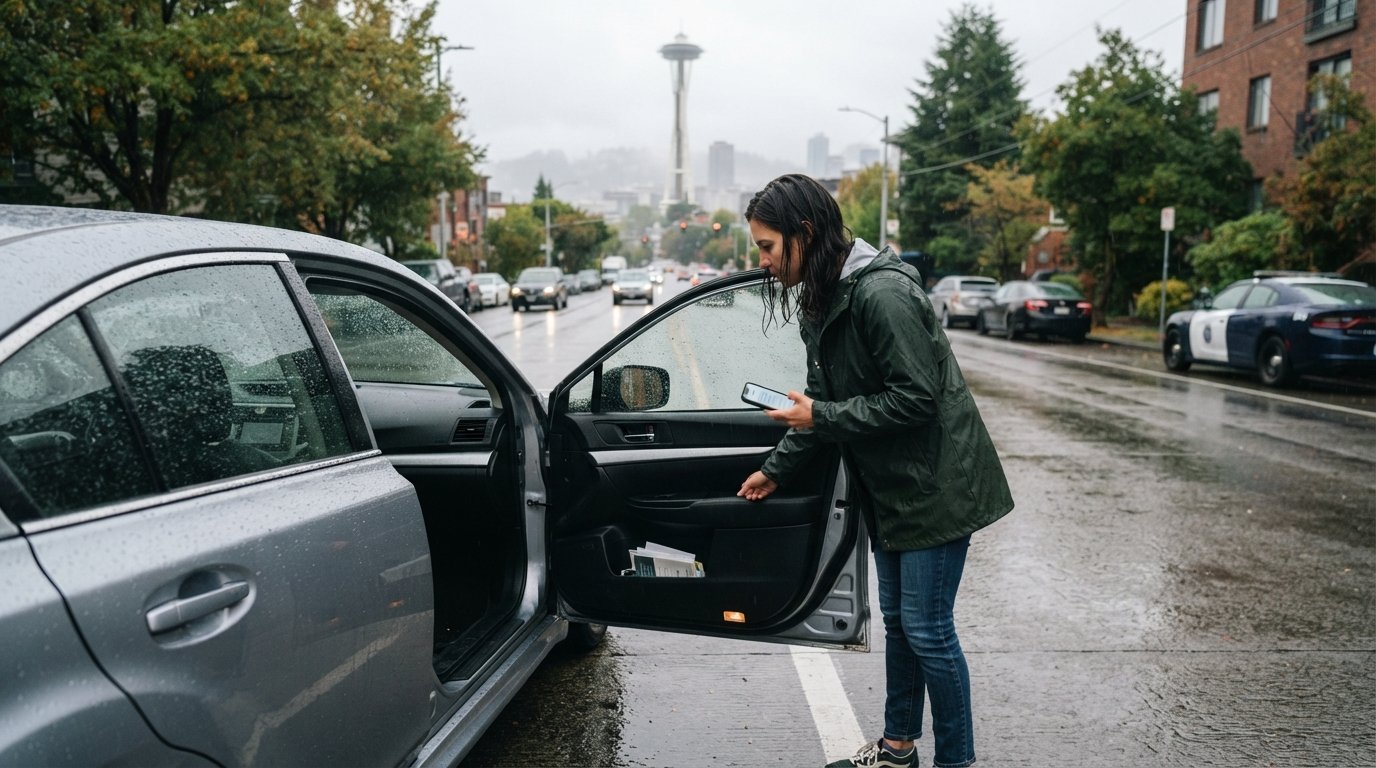
Washington law allows you to provide proof of insurance electronically. You can show a digital copy of your insurance ID card on your smartphone during a traffic stop or at the scene of an accident. This means you no longer need to carry a paper card, although it is still a good idea to keep one in your glove box as a backup. The electronic proof must display your name, the policy number, the effective dates, and the vehicle information. A screenshot or a PDF stored on your phone is acceptable.
It is important to ensure that your electronic proof is readily accessible. If your phone is dead or you cannot access your insurance app, you could be cited for driving without proof of insurance, even if you have an active policy. To avoid this, keep a paper copy in your vehicle or download a PDF to your phone's files. Additionally, if you are driving a rental car or a borrowed vehicle, your personal auto policy may extend coverage, but you should verify with your insurer and carry proof of that policy.
Washington also requires insurance companies to provide policyholders with a way to access proof of insurance electronically. Most major carriers offer mobile apps and online portals where you can download your ID card instantly. If you are shopping for a new policy, check whether the insurer offers a user-friendly digital experience. Our guide on minimum car insurance requirements in Pennsylvania 2026 guide offers additional insights into how states handle electronic proof and other compliance issues.
How Minimum Limits Compare to Typical Repair and Medical Costs
The minimum liability limits of 25/50/10 may seem adequate, but they can be quickly exhausted in a serious accident. Consider the following scenarios:
- Medical costs: A single emergency room visit and follow-up care for moderate injuries can easily exceed $25,000. If you injure two people, the $50,000 per accident limit may not cover both claims.
- Vehicle repair costs: New cars are expensive to repair. A moderate collision can cause $10,000 or more in damage to a late-model vehicle. If you total someone else's car, the $10,000 property damage limit may not be enough.
- Legal costs: If you are sued for damages exceeding your policy limits, you could be personally responsible for the difference. This can lead to wage garnishment, asset seizure, or bankruptcy.
These figures illustrate why many drivers choose to buy higher limits. For example, increasing your liability coverage to 100/300/50 might cost only a few dollars more per month, but it provides substantially more protection. When you request quotes, ask for pricing at multiple limit levels to see the difference. You may be surprised at how affordable higher coverage can be.
Additionally, consider your personal assets and income. If you have savings, a home, or a steady job, you have more to lose in a lawsuit. Carrying higher limits is a way to protect those assets. Even if you do not have significant assets now, a serious accident could result in a judgment that follows you for years. It is better to be safe than sorry.
When Higher Limits May Be Worth Pricing at Quote Time
When you shop for auto insurance, you will be asked to choose your coverage limits. While it is tempting to select the minimum to save money, there are situations where higher limits are worth the extra cost. Consider pricing higher limits if:
- You have significant assets or income that could be targeted in a lawsuit.
- You frequently drive in heavy traffic or areas with expensive vehicles.
- You have a teenage driver on your policy, which increases the risk of an at-fault accident.
- You want peace of mind knowing you are adequately covered.
Even if none of these apply, it is wise to get quotes for higher limits to see the price difference. Many insurers offer discounts for bundling auto and home insurance, or for having a clean driving record, which can make higher limits more affordable. Our quote comparison tool can help you gather multiple quotes quickly and easily.
For those who want a deeper understanding of coverage options and how to balance cost with protection, independent resources like NewAutoInsurance provide educational articles and comparisons that can help you make informed decisions. Remember, the goal is to find the right coverage at the right price, not just the cheapest policy.
Steps to Comply with Washington Insurance Laws
To ensure you meet the minimum car insurance requirements in Washington state 2026, follow these steps:
- Purchase a policy that meets or exceeds the minimum liability limits of 25/50/10.
- Decide on UM/UIM coverage and set limits that match your liability coverage.
- Obtain proof of insurance from your insurer, either electronic or paper.
- Keep your proof accessible in your vehicle or on your phone.
- Review your policy annually to ensure limits are adequate and to take advantage of discounts.
Following these steps will help you avoid penalties and ensure you are properly protected. If you are unsure about any requirement, contact your insurance agent or the Washington State Office of the Insurance Commissioner for guidance.
In addition to liability and UM/UIM, Washington does not require personal injury protection (PIP) or medical payments coverage, but you may add them for extra protection. PIP can cover your medical expenses and lost wages regardless of fault, which can be valuable if you are injured in an accident. Collision and comprehensive coverage are optional but recommended if you have a newer vehicle or want protection against theft, vandalism, or weather damage.
Frequently Asked Questions About Washington Car Insurance
What is the penalty for driving without insurance in Washington?
Driving without insurance can result in a fine of $550 or more, plus court costs. Your license may be suspended, and your vehicle could be impounded. Repeat offenses carry steeper penalties and may require an SR-22 filing.
Can I use electronic proof of insurance in Washington?
Yes, Washington law allows electronic proof of insurance. You can show a digital copy on your smartphone during a traffic stop.
Is uninsured motorist coverage required in Washington?
Insurers must offer UM/UIM coverage, but you can reject it in writing. It is highly recommended to keep it.
How much does minimum car insurance cost in Washington?
Rates vary based on your driving record, vehicle, and other factors. Minimum coverage is generally the cheapest option, but getting quotes from multiple insurers is the best way to find affordable rates.
Understanding and complying with the minimum car insurance requirements in Washington state 2026 is essential for every driver. By carrying at least 25/50/10 liability limits and UM/UIM coverage, you protect yourself and others on the road. Remember to keep proof of insurance accessible, and consider higher limits if your budget allows. For a free, no-obligation quote comparison, visit Free Auto Insurance Quotes Online today. Call (833)-275-7533 to speak with a licensed agent who can help you find the right coverage at the best price.