
Does Car Insurance Cover Mechanical Breakdown or Engine Failure?
Car insurance rarely covers mechanical breakdown or engine failure, but exceptions exist. Call (833)-275-7533 to compare coverage options today.

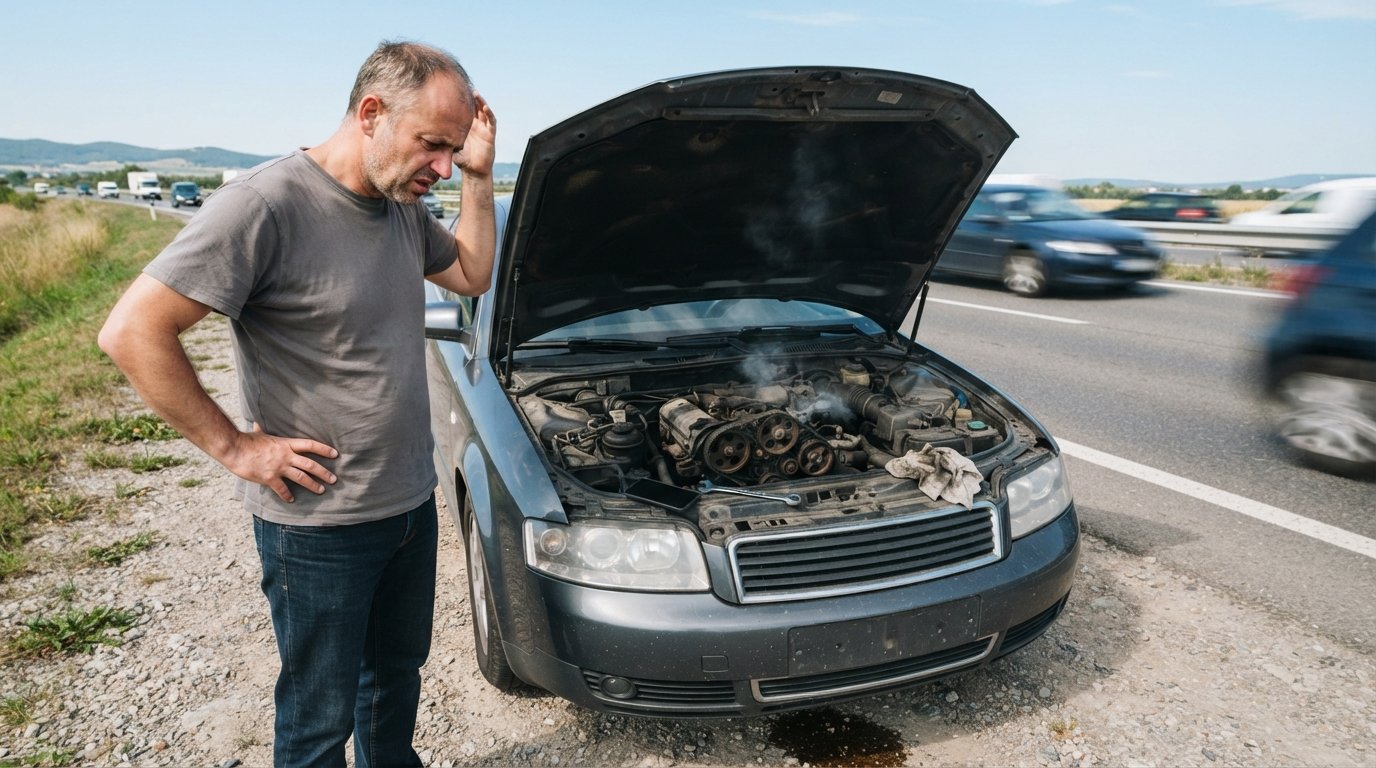
Your engine seizes on the highway, or your transmission starts slipping on the way to work. The repair estimate is in the thousands, and your first instinct is to call your auto insurer. Before you assume a check is coming, you need a clear answer to a common and costly question: does car insurance cover mechanical breakdown or engine failure? The short answer is almost always no, but the full answer is more nuanced. There are narrow situations where an auto policy responds to engine damage, and there are separate products designed for exactly this problem. Understanding those distinctions can save you from a denied claim, a surprise bill, or a costly misunderstanding about what your policy actually promises.
Why Standard Auto Policies Exclude Mechanical Breakdown and Wear and Tear
Auto insurance is built to protect you against sudden, accidental, and external events. Collisions, theft, fire, vandalism, hail, and flooding are the kinds of perils a standard policy is designed to handle. Mechanical breakdown is fundamentally different. It is an internal failure that develops over time through use, age, or lack of maintenance. Insurers treat it as a predictable cost of ownership rather than a random catastrophic event, and that is why mechanical breakdown coverage is not part of a standard auto policy.
Every personal auto policy contains exclusions for wear and tear, mechanical or electrical breakdown, and damage that results from those failures. If your timing belt snaps and bends the valves, or your engine overheats because a hose fails, the resulting damage is typically excluded. The same logic applies to transmission failure, blown head gaskets, and failed bearings. Insurers reason that these events are tied to maintenance and normal deterioration, which are the owner's responsibility, not the insurer's risk.
This exclusion also protects the pricing model of auto insurance. If policies covered every worn component, premiums would rise dramatically for all drivers. Instead, insurers keep rates focused on accidental and liability risks, and they expect vehicle owners to handle routine maintenance and mechanical repairs. That is why a mechanic's diagnosis of "internal failure" is usually the beginning of a denial, not the start of a claim.
Insurance, Warranty, and Mechanical Breakdown Coverage: What Is the Difference?
Drivers often use these terms interchangeably, but they describe three different products with three different purposes. Auto insurance covers accidental damage and liability. A manufacturer warranty covers defects in materials or workmanship for a set period. Mechanical breakdown coverage, sometimes called a vehicle service contract or extended warranty, is a separate product that can pay for certain repairs after the factory warranty expires. None of these is a substitute for the others.
Here is how the three compare in practice:
- Auto insurance: Responds to collisions, theft, fire, weather, and liability claims. Excludes mechanical failure and wear and tear.
- Manufacturer warranty: Covers defects for a specified time or mileage, such as 3 years or 36,000 miles. Does not cover accidents or wear items.
- Mechanical breakdown coverage: A service contract that may pay for certain engine, transmission, or electrical repairs after the warranty ends. Terms, exclusions, and claim limits vary widely.
The practical takeaway is that if you want protection against engine failure, you need to look at a warranty or a service contract, not your auto policy. Many drivers discover this only after a breakdown, which is why it helps to review your coverage before a problem occurs. To understand how add-on coverage decisions fit into a broader policy strategy, see this guide on 2026 rental car insurance coverage updates, which explains how optional coverage choices affect what is and is not protected.
It is also worth noting that mechanical breakdown coverage is not insurance in the legal sense in most states. It is a contract with a provider, and the provider decides what to pay based on the contract language. Some plans are comprehensive, while others exclude the very components most likely to fail. Read the fine print, including waiting periods and maintenance requirements, before you buy.
When Car Insurance May Pay for Engine Damage
There are narrow but real situations where an auto policy responds to engine or mechanical damage. The key is that a covered event must be the cause, not a pre-existing mechanical condition. If a collision damages the radiator and the engine overheats as a result, the engine damage may be covered as part of the accident claim. If a car is stolen and the thief drives it without oil, the resulting engine failure may be covered under comprehensive or theft coverage. If a flood submerges the vehicle and water enters the engine, comprehensive coverage may respond.
These claims succeed because the damage originates from a covered peril. The insurer will still investigate causation carefully. Adjusters look for evidence that the mechanical failure existed before the accident, and they may deny the claim if wear and tear contributed. Documentation matters: repair records, photos, and a mechanic's written opinion linking the damage to the covered event can make the difference between approval and denial.
Another scenario involves damage from a covered event that is not a collision. A fire that starts in the engine bay, a falling tree that crushes the front end, or vandalism that causes coolant loss can all lead to engine damage that a comprehensive claim may cover. In each case, the insured event is the cause, and the mechanical damage is the consequence. That distinction is the dividing line between a paid claim and a denied one.
What to Do If a Repair Shop Blames an Insured Event
Sometimes a mechanic inspects the vehicle and concludes that an accident or a covered event caused the engine failure. That is your opportunity to build a claim, but it requires careful steps. Start by getting the diagnosis in writing, including the specific failed components and the mechanic's reasoning about causation. Ask the shop to note whether the damage is consistent with impact, overheating, contamination, or another external cause. Then contact your insurer promptly and provide the documentation.
Follow this sequence to protect your position:
- Obtain a written repair estimate and a causation statement from a qualified mechanic.
- Photograph the damaged components and any related damage to the vehicle.
- File the claim with your insurer and submit the mechanic's report and photos.
- Keep all receipts and records of communication with the insurer and the shop.
- If the claim is denied, ask for the denial in writing and consider an independent inspection.
Insurers may send their own adjuster or request a tear-down inspection before approving the claim. Cooperate fully, but do not authorize repairs beyond what the insurer has approved without confirming coverage first. If the cause is disputed, an independent mechanic's opinion can support your position, though the insurer is not obligated to accept it. In complex cases, a public adjuster or an attorney may help, but those options come with costs that should be weighed against the size of the claim.
How to Protect Yourself Against Engine and Transmission Failure
Since auto insurance will not cover mechanical breakdown, the best defense is prevention and the right separate product. Follow the maintenance schedule in your owner's manual, check fluids regularly, and address warning lights promptly. Small issues, like a failing water pump or a leaking hose, can turn into major engine damage if ignored. Keeping maintenance records also helps if you ever need to prove that a failure was not caused by neglect, whether for a warranty claim or a service contract claim.
If your vehicle is older or out of warranty, evaluate whether mechanical breakdown coverage makes sense for your budget and risk tolerance. Compare the cost of the contract against the likely cost of a major repair, and read the exclusions carefully. At the same time, review your auto policy to make sure you have the right collision and comprehensive coverage for accidental damage. For independent guidance on coverage options and how to compare them, resources like NewAutoInsurance provide consumer education that can help you ask better questions before you buy. And when you are ready to compare quotes for your own policy, a free quote comparison can show you what different carriers would charge for the coverage you actually need.
The bottom line is that car insurance is not a maintenance plan. It will not pay for a worn-out engine or a failed transmission, but it may respond when a covered event causes the damage. Knowing the difference helps you plan for repairs, avoid denied claims, and choose the right combination of insurance, warranty, and service contract for your situation.