
Does Auto Insurance Cover Hail Storm Damage?
Does auto insurance cover damage from a hail storm? Comprehensive coverage typically pays, minus your deductible. Call (833)-275-7533 for a free quote review.

By Leo Fairmont
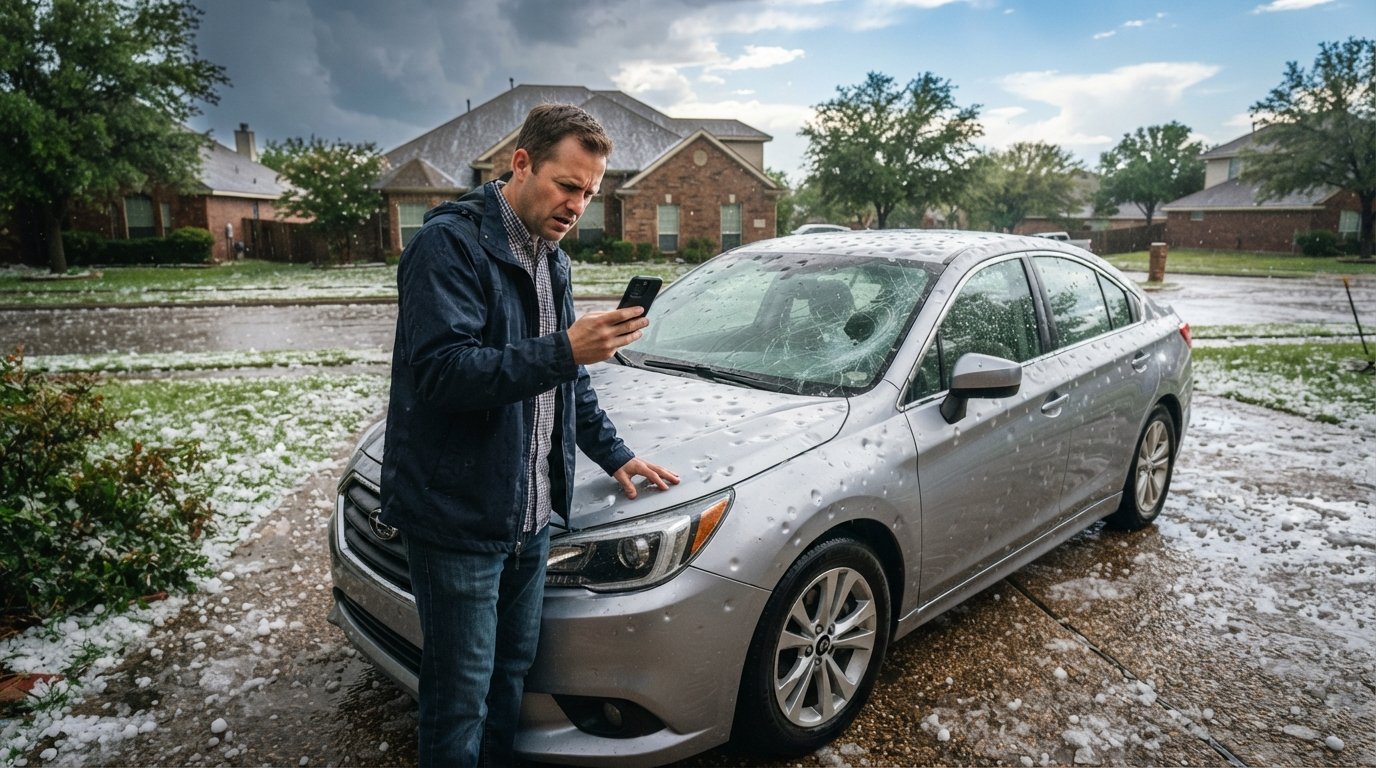
A sudden hail storm can turn a routine drive into a stressful event, leaving your car's hood dimpled and your windshield cracked. The first question most drivers ask is simple: does auto insurance cover damage from a hail storm? The answer depends entirely on the type of coverage you carry. If you have comprehensive coverage, hail damage is almost always covered. If you carry only liability insurance, you will likely pay for repairs out of pocket. Understanding the difference between coverage types, how deductibles apply, and what steps to take after a storm can save you thousands of dollars and hours of frustration.
Hail Damage Is a Comprehensive Claim, Not a Collision Claim
One of the most common misconceptions is that hail damage falls under collision coverage. It does not. Collision coverage pays for damage caused by hitting another vehicle or object, such as a guardrail, tree, or pothole. Hail, on the other hand, is considered a weather-related event, and weather damage is covered under comprehensive coverage (sometimes called "other than collision" coverage). This distinction matters because not every driver carries comprehensive coverage, and those who do may have different deductibles for it.
Comprehensive coverage protects your vehicle from a wide range of non-collision events, including theft, vandalism, fire, flooding, falling objects, and severe weather like hail. If you finance or lease your car, your lender may require you to carry comprehensive coverage, so hail damage would be covered. If you own your car outright and opted for liability-only insurance to save money, you would be responsible for all hail repair costs. This is a critical point for drivers in hail-prone states like Texas, Colorado, and Oklahoma, where severe storms are common.
It is also worth noting that comprehensive coverage follows the vehicle, not the driver. If a hailstorm damages your car while it is parked at home or at work, the claim is still valid. The key is that you must have comprehensive coverage active on the policy at the time of the loss. Without it, there is no coverage for hail damage, regardless of how severe the storm was. For a deeper look at how different coverage types interact, see our guide on comparing Texas auto insurance quotes, which explains how to balance comprehensive and liability coverage.
How Deductibles Work for Hail Claims
Even when hail damage is covered, you will typically need to pay a deductible before your insurer covers the rest. The deductible is the amount you agree to pay out of pocket toward a claim. For comprehensive coverage, deductibles commonly range from $100 to $1,000, though higher amounts are possible. A lower deductible means a higher premium, while a higher deductible lowers your monthly cost but increases your out-of-pocket expense when you file a claim.
Some insurers offer a separate "weather deductible" or "storm deductible" for certain perils, but this is more common in homeowners insurance than in auto insurance. For auto policies, the comprehensive deductible usually applies to hail claims just as it would to theft or vandalism. However, it is essential to check your policy declarations page to confirm your specific deductible. If your deductible is $500 and the hail damage estimate is $1,200, your insurer would pay $700 after you cover the first $500. If the damage is less than your deductible, filing a claim may not be worthwhile, as you would pay the full repair cost yourself and still risk a premium increase.
Another factor to consider is that filing a hail claim may affect your future premiums, though many insurers treat weather-related claims differently from at-fault accidents. Some states have laws that prevent insurers from raising rates for claims that are not your fault, but this varies. It is always wise to ask your agent how a comprehensive claim might impact your rate before you file. Additionally, if your car is declared a total loss due to hail damage, your insurer will pay the actual cash value of the vehicle minus your deductible, which could be significantly less than what you owe on a loan.
What Photos and Estimates Adjusters Typically Request
When you file a hail damage claim, the adjuster will need documentation to assess the extent of the damage and authorize repairs. The more organized you are, the smoother the process will go. Adjusters typically request a set of photos that clearly show the damage from multiple angles, including close-ups of dents, cracked glass, and damaged trim. They may also ask for photos of the entire vehicle to confirm its condition before the storm, which helps rule out pre-existing damage.
In addition to photos, you will likely need to provide a written estimate from a reputable repair shop. Some insurers have preferred repair networks and may direct you to a specific shop, but you generally have the right to choose your own. The estimate should include a detailed breakdown of parts and labor needed to repair the hail damage. If the damage is extensive, the adjuster may schedule an in-person inspection or use a virtual appraisal tool where you upload photos and a representative reviews them remotely.
Here is a checklist of what to prepare when filing a hail damage claim:
- Photos of the damage from multiple angles, including close-ups and wide shots of the vehicle.
- A written repair estimate from a licensed body shop or hail repair specialist.
- Your insurance policy number and the date of the storm.
- Any police or weather reports that confirm the hail event in your area.
- Receipts for any temporary repairs, such as covering a broken window.
After submitting your documentation, the adjuster will review it and may approve, deny, or negotiate the claim. If you disagree with the estimate, you can request a second opinion or invoke your policy's appraisal clause, which allows both parties to hire independent appraisers to settle the dispute. Keeping thorough records of all communications and receipts is also important in case you need to escalate the claim.
Why Liability-Only Policies Leave Hail Damage Unpaid
Liability insurance is the minimum required in most states, but it only pays for damage you cause to others. It does not cover damage to your own vehicle, no matter how it happens. If you carry liability-only coverage, hail damage to your car is entirely your financial responsibility. This can be a costly surprise, especially after a severe storm that dents the hood, roof, and trunk of your car. Repair costs for hail damage can range from a few hundred dollars for paintless dent repair to several thousand dollars if panels need to be replaced and repainted.
The decision to carry liability-only insurance is often driven by cost savings, particularly for older vehicles with low market value. However, drivers in hail-prone regions should weigh the risk carefully. A single hailstorm could result in repairs that exceed the annual savings from dropping comprehensive coverage. For many drivers, the peace of mind that comes with comprehensive coverage is worth the additional premium. If you are unsure whether comprehensive coverage makes sense for your situation, consider the value of your vehicle, your deductible, and the frequency of severe weather in your area.
It is also important to note that liability-only policies do not cover glass damage from hail, which can be a significant expense if your windshield cracks. Some policies offer separate glass coverage or a lower deductible for glass repairs, but these are add-ons that typically require comprehensive coverage as a base. Without comprehensive coverage, you would pay for a new windshield entirely on your own. For drivers looking to understand their options, a resource like NewAutoInsurance provides educational content on coverage types and how to choose the right policy for your needs.
Steps to Take After a Hail Storm Damages Your Car
If a hail storm has damaged your vehicle, acting quickly and methodically can make the claims process much smoother. The first step is to document the damage thoroughly before any repairs are made. Take clear photos and videos of every affected area, including the roof, hood, trunk, and any cracked glass. If possible, take photos from different lighting angles to capture the dents clearly. Do not attempt to repair the damage yourself before filing a claim, as this could complicate the adjuster's assessment.
Next, contact your insurance company to report the claim. Provide the date and time of the storm, your policy number, and a description of the damage. Your insurer will assign a claim number and may schedule an inspection or ask you to submit photos and estimates online. Be honest and detailed about what happened, and keep a record of all communications with your insurer. If you have a police report or weather service confirmation of the hail event, include that as well.
Here is a step-by-step process to follow:
- Document the damage with photos and videos from multiple angles.
- Contact your insurer to file a claim and get a claim number.
- Obtain a written repair estimate from a licensed repair shop.
- Submit all required documentation to your insurer promptly.
- Review the adjuster's estimate and negotiate if necessary.
- Choose a reputable repair shop and schedule repairs.
After the claim is approved, you can proceed with repairs. If your insurer has a preferred repair network, you may be able to use those shops for a smoother experience, but you are not obligated to do so. Keep receipts for any out-of-pocket expenses, such as rental car costs if your policy includes rental reimbursement. Finally, follow up with your insurer to ensure the claim is processed and paid in a timely manner. If you feel the claim was handled unfairly, you can contact your state's insurance department for assistance.
How to Protect Your Car from Future Hail Damage
While you cannot prevent hail, you can take steps to reduce the risk of damage. Parking your car in a garage or under a carport is the most effective protection. If you do not have covered parking, consider using a hail cover or a thick blanket over your vehicle when a storm is forecast. Some drivers use inflatable hail protection devices that can be deployed quickly. While these may not prevent all damage, they can reduce the severity of dents and protect glass from cracking.
It is also wise to review your insurance policy before storm season. Check your comprehensive deductible and consider lowering it if you live in a hail-prone area. A lower deductible means you pay less out of pocket if a claim is filed, though it will increase your premium. Balance the cost of a lower deductible against the likelihood of a claim. Additionally, ask your insurer about any discounts for bundling auto and home insurance or for installing safety devices, as these can offset the cost of comprehensive coverage.
Finally, stay informed about weather forecasts and take precautions when severe storms are predicted. If you know hail is coming, move your car to a covered location if possible. If you are caught in a storm while driving, pull over under an overpass or into a parking garage if you can do so safely. Protecting your vehicle from hail is always better than dealing with the aftermath of repairs and claims.
Understanding whether auto insurance covers hail storm damage comes down to one key factor: comprehensive coverage. If you have it, your insurer will likely pay for repairs after your deductible. If you do not, you are on your own for the cost. Review your policy today, document any existing damage, and know your deductible before the next storm rolls in. Taking a few minutes to prepare can save you significant time and money when you need it most.