
Car Insurance When You Borrow Someone Else's Car
Driving a friend's car? Learn whose insurance pays first. Compare non-owner and secondary coverage options. Call (833)-275-7533 for guidance.

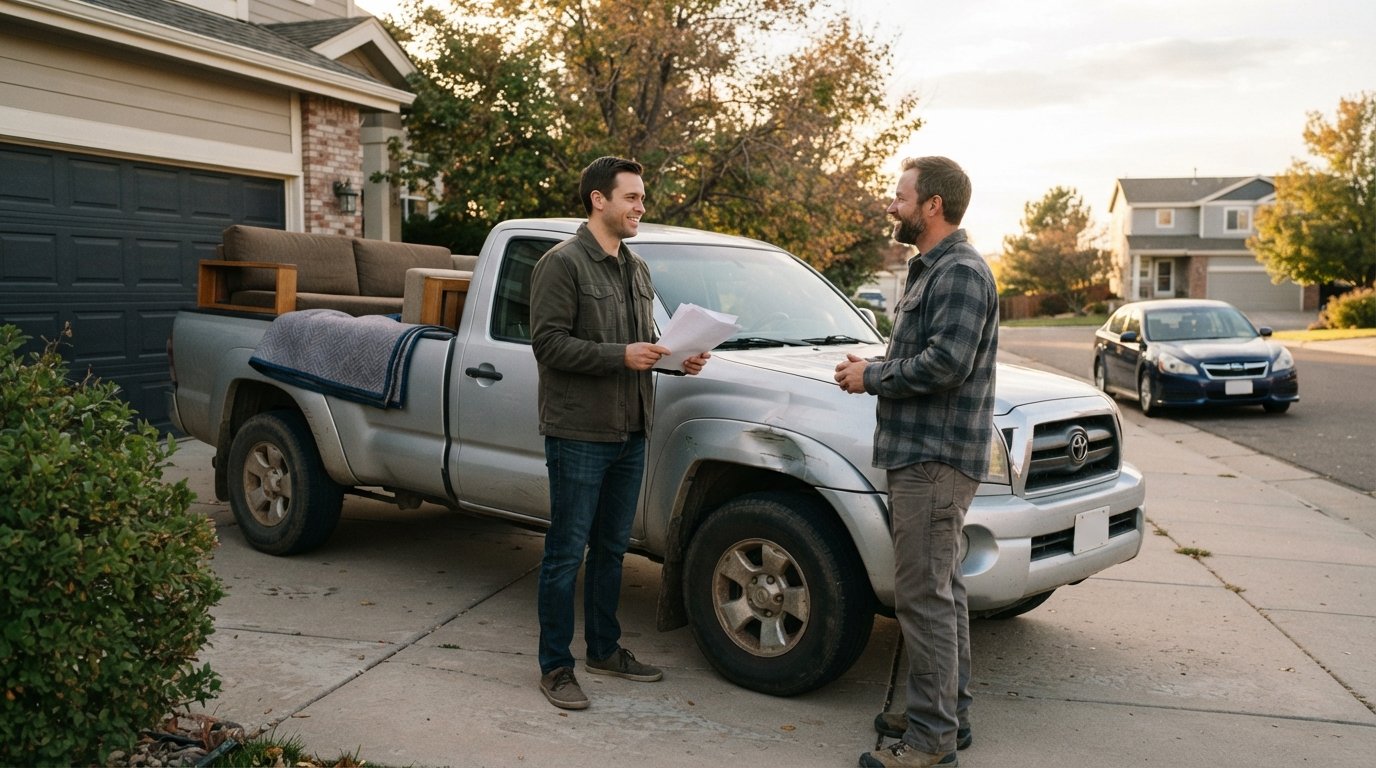
You borrow your friend's pickup to haul a couch, or you drive your sister's sedan while yours is in the shop. It feels routine, but if a police officer asks for proof of insurance after a fender bender, the answer to "whose policy pays?" is not always obvious. The good news is that in most cases, the vehicle owner's auto insurance responds first, thanks to a concept called permissive use. The less good news is that gaps and disputes happen more often than people expect, and those gaps can leave you personally on the hook for damage or injuries. This guide walks through how coverage follows the car, when your own policy might step in, and what to do before you turn the key in someone else's vehicle.
How Permissive Use Makes the Owner's Policy the First Line of Defense
Every standard auto insurance policy includes a clause that extends liability, and often physical damage coverage, to people who borrow the insured vehicle with the owner's permission. This is known as permissive use. The idea is simple: if you lend your car, your insurance follows the car, not the driver. That means if you cause an accident while driving a borrowed car, the owner's liability coverage typically pays for the other party's injuries and property damage first, up to the policy limits.
Permissive use is not unlimited, however. Policies generally distinguish between a one-time or occasional borrower and a regular driver. If you live in the same household as the owner and drive the car regularly, most insurers expect you to be listed on the policy. Some policies exclude household members who are not named. If you borrow the car for a weekend road trip, you are usually covered. If you move in with your friend and start using the truck daily, the insurer may treat that as a material change that should have been reported.
There is also the question of what "permission" means. The owner must have the legal authority to lend the car, and the borrower must stay within the scope of that permission. If your friend says you can drive to the grocery store and you instead take the car three states away, an insurer could argue you exceeded the scope of permission. These disputes are fact-specific, but they illustrate why a quick text message or a clear conversation about the intended use is worth having before you borrow a vehicle.
When Your Own Auto Policy Steps In as Secondary Coverage
If you own a car and carry your own auto policy, that policy often provides secondary coverage when you drive someone else's vehicle. The owner's policy pays first, and your policy may respond to the remaining costs if the owner's limits are exhausted or if the owner's policy does not cover the claim. This secondary layer can be valuable, but it is not a guarantee. The exact rules depend on your policy language and your state's insurance regulations.
Your own policy's coverage for a borrowed car typically includes liability coverage and may include medical payments or personal injury protection, depending on your state and your selections. Collision and comprehensive coverage for damage to the borrowed car is less certain. Some policies extend physical damage coverage to non-owned autos on a secondary basis, while others exclude it entirely. If you are counting on your policy to repair a borrowed car after a crash, read the fine print or call your agent before you drive.
One practical rule of thumb: the broader and higher your own coverage limits, the more likely your policy can help fill gaps left by a modest owner's policy. If you routinely borrow cars from friends or family, it is worth reviewing your own policy with an eye toward non-owned auto coverage. Comparing quotes from multiple carriers can reveal whether a particular insurer offers stronger secondary protection for borrowed vehicles, and our guide on 2026 rental car insurance coverage updates explains how similar rules apply when you rent a vehicle instead of borrowing one.
Unclear Permission and Coverage Disputes: What Happens When the Keys Are Ambiguous
Coverage disputes often arise when permission is implied rather than stated. Imagine a family member takes the car without asking, or a roommate grabs the keys while you are asleep. The owner may believe the car was stolen, while the driver believes they had standing permission. Insurers investigate these claims closely, and the outcome can determine whether the owner's policy pays or denies the claim.
Another common dispute involves the scope of permission. If you let a friend drive to work and they lend the car to their cousin, the cousin may not be covered. Most permissive use clauses extend only to the person the owner actually lent the car to, not to anyone that person chooses to lend it to in turn. This is sometimes called the "named driver" or "permitted driver" limitation, and it can leave the ultimate driver without coverage.
To avoid these problems, keep permission clear and documented. A simple text message that says "you can use my car this weekend" creates a record. If you are the borrower, confirm that the owner has insurance and that you are an approved driver. If you are the owner, understand that lending your car is a risk decision, and that your policy may or may not protect you if the borrower exceeds the scope of permission.
Why Renters and Non-Owners May Still Want a Named Non-Owner Policy
If you do not own a car, you might assume you do not need auto insurance. That assumption can be costly. A named non-owner policy is designed for people who regularly borrow or rent cars but do not own one. It provides liability coverage and, in some cases, medical payments or uninsured motorist coverage, without covering a specific vehicle. It is a way to protect yourself financially when you drive borrowed cars.
Consider a few scenarios where a named non-owner policy earns its keep. You live in a city, use car-sharing services, and occasionally borrow a relative's car. You are a student who drives home on weekends in a family vehicle. You are between cars after a lease ends and want continuous coverage to avoid a lapse. In each case, the owner's policy may still respond first, but your non-owner policy can provide secondary protection and fill gaps in liability limits.
A named non-owner policy is not a substitute for the owner's insurance, and it does not cover damage to the borrowed vehicle. It is a personal liability shield. For drivers who borrow cars often, it can be a smart and relatively inexpensive addition. Comparing non-owner policy quotes alongside standard auto quotes is a good way to see whether the extra protection makes sense for your budget.
State Variations, Exclusions, and Steps to Take Before You Borrow a Car
Insurance is regulated at the state level, so the rules for borrowed cars vary. Some states require the owner's policy to pay first in all cases, while others allow the borrower's policy to share the loss. No-fault states handle injury claims differently, and the definition of a "permissive user" can be narrower in some jurisdictions. If you are driving in a state other than your own, the owner's policy generally applies according to the state where the vehicle is registered and the policy was issued, but the accident state's rules can still influence the claim.
Certain exclusions are common across most policies. If the borrower is an excluded driver on the owner's policy, there is no coverage. If the car is used for commercial purposes, such as delivering food or rideshare driving, the owner's personal policy may not respond. If the borrower is intoxicated or using the car in the commission of a crime, coverage is typically denied. These exclusions are not just technicalities; they are the reason a quick check before borrowing can save you from a financial nightmare.
Before you borrow a car, take a few practical steps. The following checklist can help you avoid surprises:
- Ask the owner to confirm that the car is insured and that you are a permitted driver.
- Check whether your own policy extends to non-owned autos and what limits apply.
- Confirm the intended use (errands, road trip, moving) and stay within that scope.
- Exchange current insurance information with the owner before you drive.
- If you borrow cars regularly, consider a named non-owner policy for added protection.
Following these steps does not eliminate risk, but it makes coverage disputes far less likely. It also gives you a clear record of permission and insurance status if a claim arises.
For broader education on coverage types and how to compare policies, independent resources such as NewAutoInsurance consumer guidance can help you understand the options before you shop. The key is to treat borrowed-car coverage as a shared responsibility: the owner's policy is the primary safety net, your policy may provide a secondary layer, and a non-owner policy can fill gaps if you do not own a car. When you are ready to review your own coverage or explore quotes for a non-owner policy, start by comparing multiple offers so you can see how insurers treat borrowed vehicles. A few minutes of preparation before you borrow a car can protect both your relationship with the owner and your financial future.