
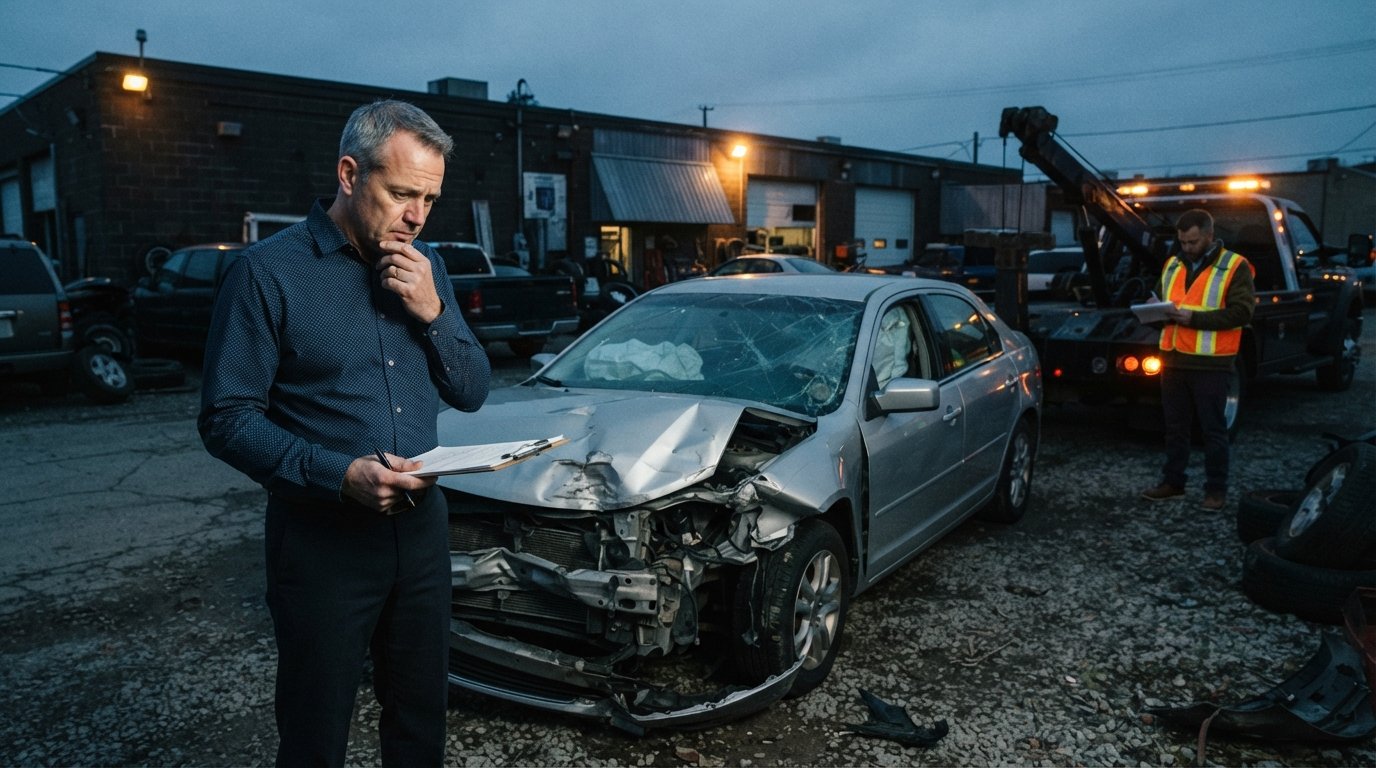
Car Insurance After a Total Loss: What Happens Next
Car insurance after a vehicle is declared a total loss: learn settlement details, loan gap coverage, and how to insure a replacement car. Call (833)-275-7533 for help.

Your car is crumpled, the adjuster has just called it a total loss, and you are staring at a settlement offer that feels too low. You are not alone. Every year, millions of vehicles are declared total losses, and the insurance fallout can feel like a second crash. The good news is that the process, while stressful, follows predictable rules. Understanding what your policy does and does not cover after a total loss, how to handle a loan or lease, and how to insure your replacement vehicle without a gap will put you back in control.
This guide walks you through the entire post-total-loss journey. You will learn how settlements are calculated, why the gap between your loan balance and the payout matters, how long your existing policy stays active, and the exact steps to insure a new car without triggering a lapse. Along the way, we will show you how to compare quotes from multiple carriers so you can avoid overpaying for your next policy. If you are ready to get personalized quotes now, you can compare free auto insurance quotes in minutes.
What a Total Loss Settlement Includes (and What It Leaves Out)
When an insurer declares your vehicle a total loss, it means the cost to repair the car exceeds a certain percentage of its actual cash value (ACV), typically 70 to 80 percent depending on your state. The settlement you receive is based on the ACV of your vehicle just before the accident, minus your deductible. ACV is not what you paid for the car, nor is it the replacement cost of a brand-new model. It is the market value of a comparable vehicle in your area, factoring in age, mileage, and condition.
Your settlement check will usually cover the vehicle's ACV, sales tax on the replacement vehicle (in many states), and title and registration transfer fees. However, it will not cover your deductible, any aftermarket upgrades you made (unless you purchased custom parts coverage), or the difference between your loan balance and the car's ACV. It also does not pay for your time, rental car costs beyond your policy limits, or medical bills (those fall under personal injury protection or health insurance).
Here is a quick breakdown of what is typically included and excluded from a total loss settlement:
- Included: Actual cash value of the vehicle, applicable sales tax, title and registration fees, and any state-mandated fees.
- Excluded: Deductible, aftermarket parts (unless endorsed), loan or lease gap, rental reimbursement beyond your policy limit, and personal belongings left in the car.
To maximize your settlement, gather documentation: maintenance records, recent repairs, and listings for comparable vehicles in your area. Present these to the adjuster to justify a higher ACV. Remember, the first offer is often negotiable. If you have purchased gap insurance or loan/lease coverage, that separate policy will pay the difference between your loan balance and the ACV. Without it, you may owe the remainder out of pocket.
How the Loan or Lease Payoff Gap Is Handled
If you are financing or leasing your vehicle, the total loss settlement goes to your lender first, not to you. The insurer pays the ACV directly to the lienholder. If the ACV is less than your outstanding loan balance, you are responsible for the difference, known as the "gap." This situation is common because vehicles depreciate quickly, especially in the first year or two of ownership. For leased vehicles, the payoff amount may include early termination fees and residual value charges, which can also create a gap.
Gap insurance is designed to cover that difference. It is often offered at the dealership when you finance or lease, but you can also purchase it from your auto insurer as an endorsement. Some lenders require it if your down payment is small. If you did not buy gap coverage, you have a few options: pay the remaining balance out of pocket, negotiate with the lender for a payment plan, or roll the negative equity into a new loan (though this increases your new car's cost).
For leased cars, review your lease agreement carefully. Most leases include gap waiver coverage that forgives the difference between the ACV and the lease payoff, but you may still owe for excess mileage, wear and tear, or disposition fees. Always confirm with the leasing company before accepting a settlement. If you are unsure how your policy responds, you can explore independent auto insurance resources for consumer guidance on coverage options and state rules.
One more point: if you have loan/lease coverage on your auto policy, it typically pays the gap up to 25 percent of the vehicle's ACV. That may not cover the entire difference if you are deeply upside down, so gap insurance from a lender might still be worthwhile. When shopping for a replacement vehicle, consider a larger down payment to avoid negative equity next time.
Does Your Policy Stay Active After a Total Loss?
Yes, your auto policy generally remains active after a total loss, but the coverage for the totaled vehicle ends when you accept the settlement and sign over the title. The liability portion of your policy may continue for a short period, typically until the end of the policy term, but it will not cover a vehicle you no longer own. If you have multiple vehicles on the same policy, the other vehicles remain covered. However, some insurers may non-renew your policy at the next renewal date if you have a total loss claim, especially if you were at fault.
The key question is: how long does the policy stay active for the totaled car? Once the insurer pays the claim and takes possession of the vehicle, that specific vehicle is removed from the policy. You should not cancel your entire policy immediately, because you may still need liability coverage for a rental car or a replacement vehicle. In most states, you are required to maintain continuous auto liability coverage as long as you own or operate a vehicle. If you plan to buy a replacement car soon, keeping your policy active prevents a lapse.
If you decide not to replace the vehicle immediately, you can cancel the policy, but be aware that a gap in coverage can raise your rates later. Some insurers offer a "suspended" status if you will be without a car for a short time, such as during deployment or extended travel. Always ask your agent about the best way to handle the transition. For families with multiple drivers sharing one vehicle, our guide on car insurance for multi-driver, one-vehicle homes explains how to adjust coverage when a vehicle is removed.
Steps to Insure a Replacement Vehicle Without a Coverage Gap
Insuring a replacement vehicle after a total loss requires careful timing. Most policies include a "newly acquired auto" clause that gives you a grace period, typically 14 to 30 days, to add a replacement vehicle to your existing policy. This means you can drive off the lot with coverage already in place, as long as you notify your insurer within that window. However, if you let the grace period expire without adding the car, you risk a coverage gap and potential rate increases.
Follow these steps to ensure a seamless transition:
- Confirm your policy's grace period. Call your insurer or check your policy documents to see how many days you have to add a new car. Mark the deadline on your calendar.
- Get quotes before you buy. Use a comparison platform to gather quotes from multiple carriers for the specific make and model you plan to purchase. This helps you budget for the new premium.
- Add the vehicle to your policy immediately. Once you have the VIN and purchase details, contact your insurer to add the car. If you are switching carriers, coordinate the cancellation of your old policy with the start date of the new one.
- Provide proof of insurance to the dealer or lender. You will need to show active coverage before driving off the lot. Your insurer can issue a temporary ID card instantly.
- Review your coverage limits. A total loss is a good time to reassess whether you have adequate liability, collision, and comprehensive coverage. Consider adding gap insurance if you are financing.
If you are switching insurers, do not cancel your old policy until the new one is active. A lapse of even one day can be costly. Many states report lapses to the DMV, which can result in fines or license suspension. By planning ahead, you can avoid these penalties and possibly qualify for a continuous coverage discount.
When you are ready to compare rates for your replacement vehicle, start with a free quote comparison. It takes only a few minutes and could save you hundreds of dollars per year.
How to Compare Quotes and Save After a Total Loss
A total loss claim can affect your insurance rates, especially if you were at fault. However, you are not powerless. Shopping around is the single most effective way to keep your premium in check. Rates for the same driver and vehicle can vary by hundreds of dollars between carriers, so comparing at least three quotes is essential. Use an independent comparison tool that shows you offers from multiple licensed agents in your state.
Before you buy a new policy, ask about discounts. Common discounts include:
- Multi-policy (bundling auto and home)
- Safe driver and defensive driving course discounts
- Vehicle safety features (airbags, anti-theft devices)
- Low mileage or usage-based programs
- Continuous coverage (no lapse)
Also, consider raising your deductible to lower your premium, but make sure you can afford the out-of-pocket cost if you have another claim. For high-risk drivers or those with a total loss on their record, some carriers specialize in non-standard policies. An independent agent can help you find the best fit. Remember, the goal is to maintain continuous coverage while keeping costs manageable.
Finally, be honest with your insurer about the total loss. Withholding information can void your policy. If you are unsure how to disclose the claim, ask your agent. Transparency now prevents problems later.
Handling car insurance after a vehicle is declared a total loss does not have to be overwhelming. By understanding your settlement, managing the loan or lease gap, keeping your policy active, and insuring your replacement vehicle promptly, you can protect your finances and your driving record. Take the time to compare quotes from multiple carriers, and do not be afraid to negotiate your settlement. With the right preparation, you will be back on the road with confidence and the coverage you need.