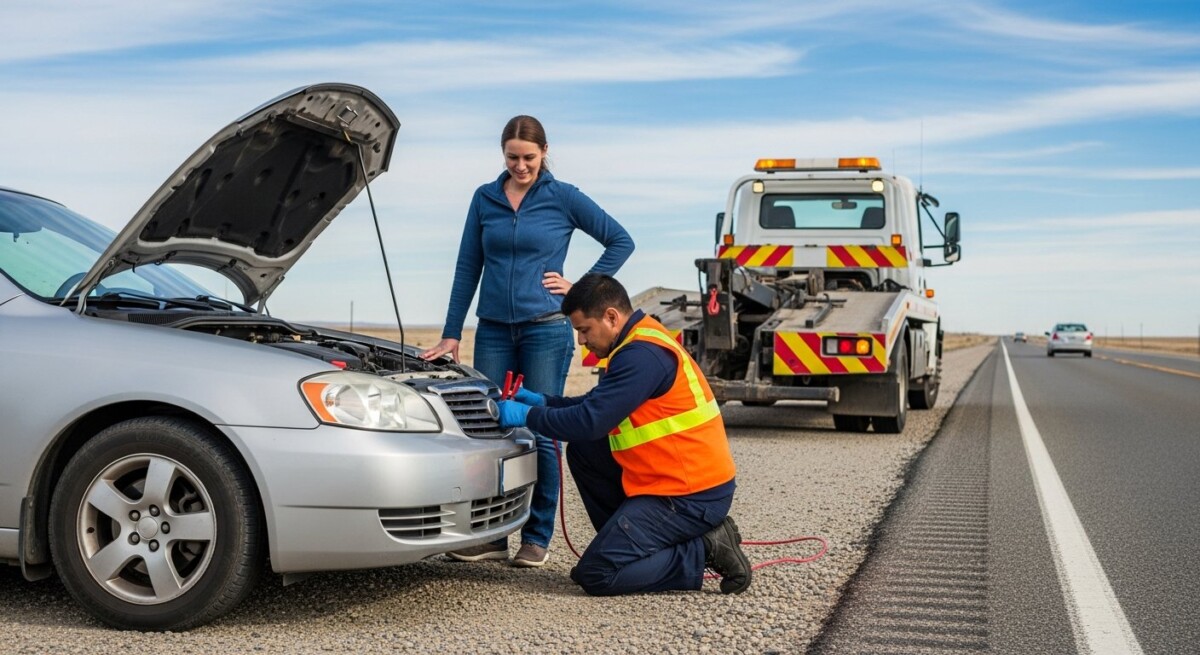
Breaking down on a busy highway or discovering a flat tire in a parking lot is stressful enough without wondering who to call or how much it will cost. Many drivers assume their standard policy covers towing, jump-starts, and lockout services, but the truth is often different. Adding roadside assistance to your auto insurance policy transforms a basic safety net into a comprehensive mobility solution. This article explains exactly what auto insurance with roadside assistance covers, how it compares to standalone plans, and what you should look for when choosing the right option for your driving habits.
What Roadside Assistance Covers Under Your Policy
Roadside assistance is an optional endorsement you can attach to a standard car insurance policy. When you add it, the insurance company contracts with a network of service providers to help you when your vehicle becomes undrivable. Typical services include towing to the nearest repair shop, battery jump-starts, flat tire changes, fuel delivery if you run out of gas, and lockout assistance if you leave your keys inside the car. Some policies also cover winching if your vehicle is stuck in mud or snow, and a few include trip interruption benefits that reimburse lodging or meals if a breakdown occurs far from home.
Most insurers cap the towing distance at 5 to 15 miles per incident. If your repair shop is farther away, you may have to pay the difference out of pocket. Similarly, there is usually a per-incident dollar limit for services like tire changes or fuel delivery. Understanding these limits before you need help is crucial because they determine whether you face a surprise bill or receive full coverage at no extra cost.
Standalone Plans vs. Insurance-Embedded Assistance
Many drivers already pay for roadside assistance through a motor club like AAA, a credit card benefit, or a vehicle manufacturer’s warranty. Comparing these standalone options to auto insurance with roadside assistance helps you decide which provides better value for your situation. Below are key differences to consider.
- Cost structure: Standalone plans charge an annual membership fee (typically $50 to $150), while insurance-based assistance adds a few dollars per month to your premium.
- Service limits: AAA and similar clubs often offer higher towing distances (up to 100 miles on premium tiers) compared to the 5-to-15-mile standard from insurers.
- Claims impact: Using roadside assistance through your insurance is a claim on your policy. Frequent use could lead to higher premiums at renewal. Standalone plans do not affect your insurance rates.
- Coverage for other vehicles: Most insurance-based assistance follows you in any vehicle you are driving, not just your insured car. AAA membership typically covers the member regardless of which car they are in.
If you rarely drive long distances or have a new car with manufacturer roadside assistance, the low cost of insurance-embedded help may be sufficient. For frequent travelers or older vehicles prone to breakdowns, a standalone motor club might offer better protection without worrying about insurance rate increases. In our guide on auto insurance in Massachusetts for drivers, we explain how state-specific requirements can affect your decision to bundle or skip this add-on.
How to Compare Auto Insurance With Roadside Assistance
Not all roadside assistance endorsements are created equal. When shopping for a policy, look beyond the monthly premium and examine the fine print. Start by checking the towing distance limit and whether it applies to the nearest qualified facility or any shop you choose. Some insurers restrict towing to their preferred network, which may not include your trusted mechanic. Next, review the number of service calls allowed per year. Most policies permit three to five incidents annually. If you exceed that limit, you pay full price for additional calls.
Also consider the response time guarantee. Reputable insurers aim for 30 to 60 minutes in urban areas and longer in rural regions. Ask whether the company uses a national network of independent contractors or a single roadside provider. A larger network usually means faster, more reliable service. Finally, verify whether the benefit covers rental cars or vehicles you borrow. If you often rent cars for business or travel, this feature can save you significant money.
Cost of Adding Roadside Assistance to Your Policy
The price of adding roadside assistance to an auto insurance policy is surprisingly low. Most carriers charge between $2 and $10 per month, depending on your state and the level of coverage. For example, a driver in Florida might pay $4 monthly for basic towing and tire changes, while a driver in California could pay $7 for expanded coverage that includes trip interruption. Compared to the $100 annual fee for a standard AAA membership, insurance-based assistance is often the cheaper option upfront.
However, the hidden cost comes from the potential premium increase after using the service. Insurance companies classify roadside assistance as a claim. If you use it two or three times in a year, your insurer may view you as a higher risk and raise your rates at renewal. A single use rarely causes a spike, but drivers who rely on it frequently should weigh this risk. As we discuss in this article on roadside assistance as a smart add-on, understanding the claims impact helps you avoid unexpected costs.
Who Benefits Most From This Coverage
Roadside assistance is not a one-size-fits-all product. Certain drivers gain more value from it than others. Commuters who drive 30 miles or more each day face higher odds of breakdowns, flat tires, or running out of gas. Adding this coverage provides peace of mind that a tow or jump-start will not derail their schedule or budget. Similarly, parents with teenage drivers appreciate knowing their child has a reliable support system if they encounter trouble on the road. New drivers often lack experience handling emergencies, so having a simple phone number to call reduces panic.
Owners of older vehicles with high mileage also benefit significantly. As cars age, mechanical failures become more common. A single towing bill can cost $75 to $150, making a $5 monthly add-on a smart financial hedge. On the other hand, drivers with brand-new cars under factory warranty may already have complimentary roadside assistance for three to five years. In that case, paying extra for insurance-based help would be redundant. Always check your existing coverage before purchasing a new policy.
Frequently Asked Questions
Does roadside assistance cover flat tire changes if I have a spare? Yes, most policies include tire changes using your vehicle’s spare. If you do not have a spare, the provider may tow the car to a tire shop.
Can I use roadside assistance for a vehicle I just bought? Yes, as long as the policy lists that vehicle or you are driving a car you own and insured. Some policies also cover rental cars.
Will my rates go up if I never use the service? No. Adding the coverage does not affect premiums unless you file a claim. The monthly fee simply adds the benefit to your policy.
How do I request help if I break down? Most insurers offer a 24/7 phone line, mobile app, or online portal. Provide your location, vehicle description, and the type of assistance needed. The dispatcher sends a nearby service provider.
Is towing always included, or is it separate? Towing is usually included for a specific distance. Beyond that limit, you pay per mile. Confirm the distance cap when you enroll.
Making the Right Choice for Your Driving Needs
Auto insurance with roadside assistance is a low-cost add-on that can save you hundreds of dollars in emergency towing and service fees. It is especially valuable for daily commuters, owners of older vehicles, and drivers who want a single point of contact during a stressful situation. Before you decide, compare your current benefits from credit cards, auto clubs, and manufacturer warranties. If you find a gap in coverage, the few dollars per month for insurance-based assistance is a worthwhile investment.
Remember to read the policy details carefully. Look for towing distance limits, per-incident caps, and the number of allowed calls per year. Avoid using the service excessively to prevent premium increases. For a deeper look at how this coverage fits into a broader insurance strategy, see our analysis of smart coverage options with roadside assistance and another perspective on bundling roadside help with your policy. By understanding the details and matching them to your driving habits, you ensure that when the unexpected happens, help is just a phone call away without breaking your budget.