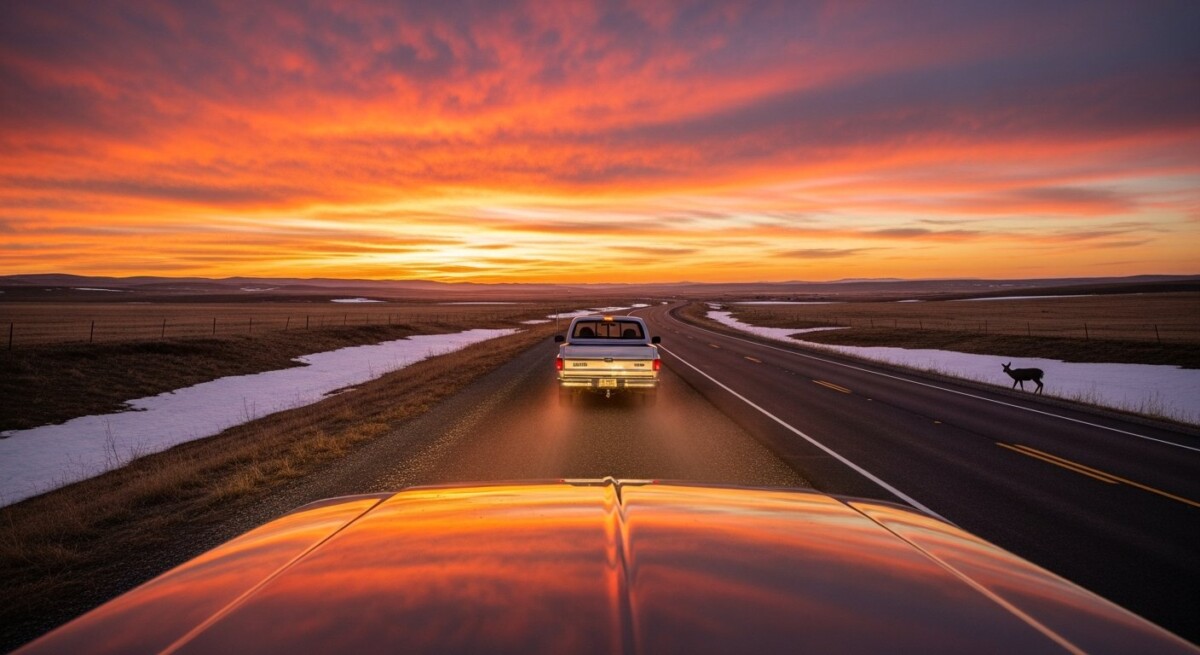
Living in a rural area offers wide-open spaces, scenic views, and a quieter pace of life. But when it comes to auto insurance, rural drivers face a distinct set of challenges and opportunities that city dwellers rarely consider. While lower population density can mean fewer fender benders, it also brings longer commutes, unpredictable road conditions, and greater distances to emergency services. Understanding these unique factors is the key to securing the right coverage at a fair price, ensuring you’re protected whether you’re navigating a gravel backroad or a snowy mountain pass.
The Rural Driving Landscape: Risk Factors and Realities
Rural auto insurance is shaped by the environment. Insurers assess risk based on data, and the rural driving experience presents a mixed profile. On one hand, the absence of heavy traffic congestion reduces the frequency of minor collisions. On the other, the nature of incidents that do occur can be more severe. Long, monotonous stretches of highway can lead to driver fatigue, while encounters with wildlife, from deer to livestock, are a common and costly hazard. Road conditions themselves are a major factor. Many rural routes are not immediately plowed or treated in winter, are made of gravel or dirt, and may have limited lighting, increasing the risk of accidents, especially after dark. Furthermore, the distance to the nearest hospital or repair shop can influence claim costs, a factor insurers weigh in their pricing models.
Coverage Considerations Beyond the Standard Policy
While every driver needs state-mandated liability coverage, rural drivers should carefully evaluate additional protections that address their specific risks. A standard policy might leave significant gaps. Comprehensive coverage is highly advisable, as it covers non-collision events like animal strikes, hail damage, or a tree limb falling on your vehicle. Given the potential for longer tow distances, reviewing your policy’s towing and labor limits is crucial; you may need to increase this coverage or consider a separate roadside assistance plan. For those who use their personal vehicle for occasional farm or ranch business, a personal auto policy may not suffice, and a commercial endorsement or separate commercial auto policy might be necessary. Similarly, if you own specialized vehicles like ATVs, tractors, or classic trucks used on your property, they require specific policies, as standard auto insurance does not apply.
Addressing the Wildlife and Road Hazard Challenge
Animal collisions are a premier concern. Hitting a deer or other large animal can cause extensive damage, and these incidents often happen with little warning. Comprehensive coverage is the only part of an auto policy that applies here. It’s also wise to consider your deductible amount; a higher deductible lowers your premium but means more out-of-pocket cost when you file a claim. For road hazards, such as damage from potholes on an unpaved road, collision coverage would typically apply if you swerve and hit something, but damage from driving over the hazard itself might fall under comprehensive, depending on the insurer’s definitions. Clarity on these points is essential when discussing your policy with an agent.
How Rural Drivers Can Find Savings and Discounts
Contrary to some assumptions, rural drivers often have access to unique discounts and can leverage their lifestyle for lower rates. The foundational step is to shop around and compare quotes from companies that have experience in rural markets, including regional insurers. Many national carriers also offer competitive rural pricing. Beyond comparison shopping, several specific discounts are particularly relevant. If you drive significantly fewer miles than the average urban commuter, you may qualify for a low-mileage discount. Bundling your auto policy with homeowners or farm insurance can yield substantial savings. Installing safety and anti-theft devices can also reduce premiums. Furthermore, maintaining a clean driving record is perhaps the most powerful tool for keeping costs down, as it demonstrates lower risk to insurers. For young drivers in the household, good student discounts and driver training courses are valuable, a topic explored in depth in our guide on auto insurance for teen drivers and parental savings strategies.
Here are key strategies to actively lower your auto insurance premium:
- Increase Your Deductible: Opting for a higher deductible on comprehensive and collision coverage can lower your monthly premium, but ensure you have the savings to cover it if needed.
- Ask About Farm and Ranch Discounts: Some insurers offer specific discounts for those involved in agriculture.
- Inquire About Affiliation Discounts: Memberships in certain organizations (like farm bureaus or alumni associations) may come with insurance benefits.
- Pay in Full: Paying your six-month or annual premium upfront often avoids monthly installment fees.
- Review Coverage on Older Vehicles: If you own an older truck or car used primarily on your property, consider dropping collision coverage if the vehicle’s value is low.
State-Specific Laws and Rural Considerations
Auto insurance requirements are set at the state level, and rural drivers must comply with their state’s minimums while considering their added risks. For example, a state like Vermont, with its many rural towns and harsh winters, has specific insurance laws that drivers must follow. Understanding these mandates is the first step. Our resource on auto insurance Vermont laws and coverage details those requirements. Similarly, in a vast, rural state like Utah, coverage needs can vary greatly from the Wasatch Front to the remote desert regions. Insights into navigating those variations are covered in our article on auto insurance Utah laws and savings strategies. It is always prudent to carry more than the state minimums, as liability limits like 25/50/25 can be exhausted quickly in a serious accident, leaving you personally responsible for vast medical and repair costs.
Frequently Asked Questions for Rural Drivers
Is auto insurance cheaper in rural areas?
Often, yes. Lower traffic density and crime rates can lead to lower premiums compared to urban centers. However, individual factors like your driving record, vehicle type, and annual mileage are equally important.
Does my auto insurance cover me if I drive on private land or my own property?
Generally, yes, if you have a standard personal auto policy. However, if you are using the vehicle primarily for business (like farm work) on your property, you may need a commercial endorsement. Vehicles not legally licensed for road use, like ATVs, are not covered under auto policies.
What should I do immediately after a collision with an animal?
Ensure your safety, move to a safe location if possible, and call the police to file a report. Document the scene with photos and contact your insurance company to file a comprehensive claim. Do not approach an injured animal.
How does my commute distance affect my rate?
Longer commutes statistically increase your exposure to risk, which can raise your premium. If your commute is short or you work from home, be sure to inform your insurer to potentially qualify for a low-mileage discount.
Are there special policies for farm vehicles?
Yes. Vehicles used primarily for farming or ranching operations require a commercial auto policy or a farm vehicle policy. A standard personal auto policy will likely deny a claim for an incident that occurs during business use. For broader context on commercial vehicle rules, our analysis of auto insurance Virginia laws and commercial considerations provides useful parallels.
Securing the right auto insurance as a rural driver is less about finding a one-size-fits-all solution and more about customizing a policy to fit the contours of your lifestyle. By proactively addressing the unique risks of country driving, from wildlife to weather, and actively seeking out applicable discounts, you can achieve robust protection without overpaying. Regular policy reviews, especially when adding a vehicle or changing your commute, ensure your coverage evolves alongside your needs. Ultimately, the right policy provides peace of mind, letting you enjoy the freedom of the open road with confidence, knowing you are well-protected for the journey ahead.