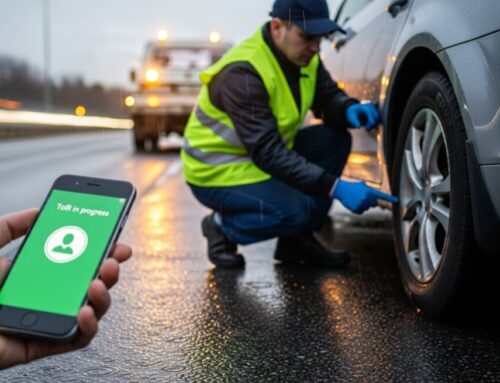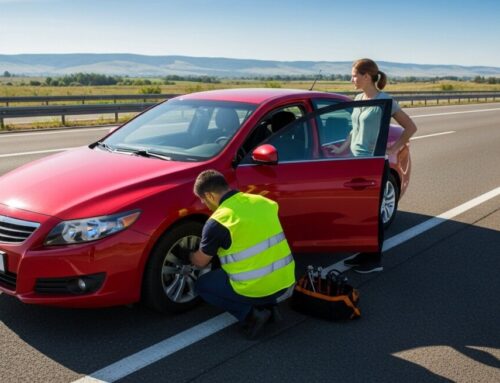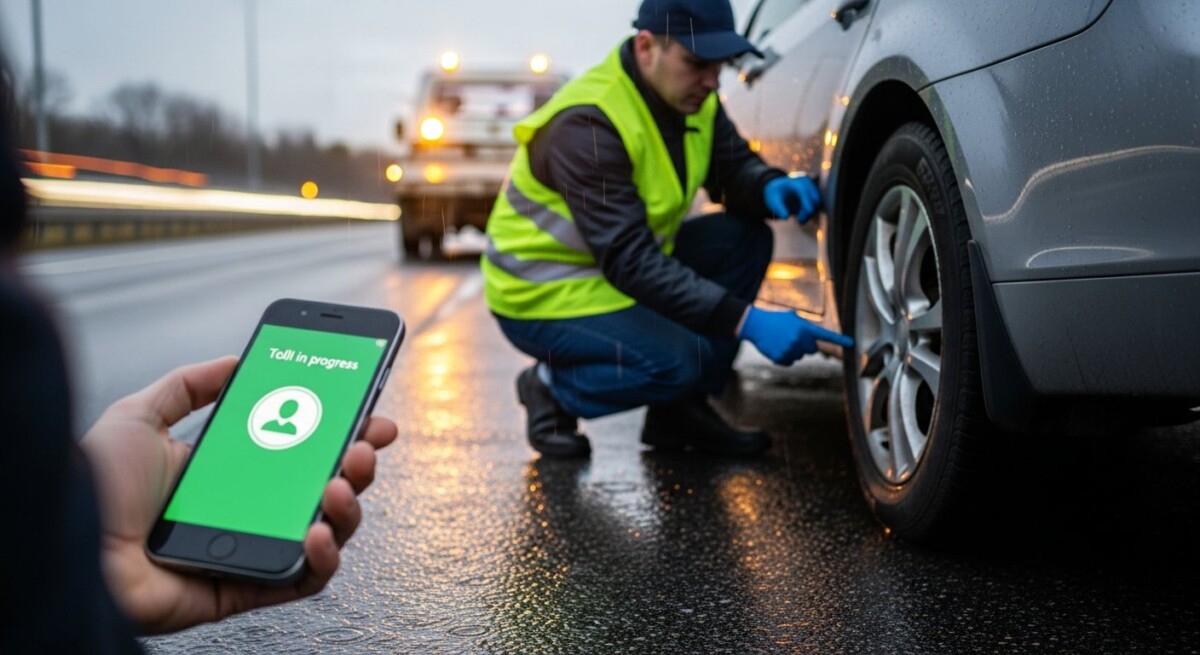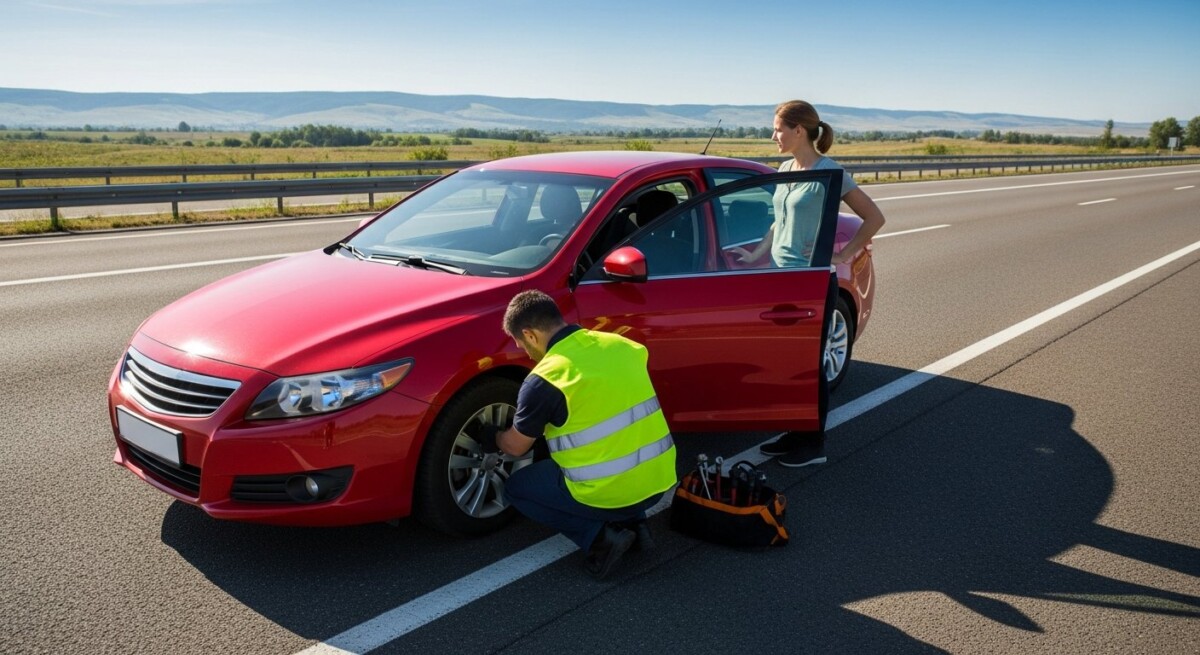
Picture this: you are driving home late at night on a busy highway when your engine suddenly sputters and dies. You pull over to the shoulder, turn on your hazard lights, and realize you have no idea who to call. A tow truck could cost hundreds of dollars out of pocket, and waiting for a friend might take hours. This scenario plays out for thousands of drivers every day, yet many are unaware that their auto insurance policy can be their lifeline. Adding auto insurance with roadside assistance to your policy transforms a stressful breakdown into a simple phone call, often with no upfront payment required.
Roadside assistance is no longer a luxury add-on reserved for luxury cars or premium plans. It has become an affordable, practical feature that drivers across all budgets can access. In this article, we will explore exactly what auto insurance with roadside assistance covers, how it compares to standalone services, what it costs, and how to choose the best option for your driving habits. By the end, you will know whether this coverage is a smart investment for your peace of mind.
What Does Auto Insurance With Roadside Assistance Cover?
Roadside assistance is an optional endorsement you can add to your standard auto insurance policy. It typically covers a set of common emergency services that get you back on the road quickly. The exact coverage varies by insurer, but most plans include the following core benefits.
First, towing is the most frequently used service. If your vehicle cannot be repaired on the spot, roadside assistance arranges and pays for a tow to the nearest qualified repair shop. Most policies cover towing up to a certain distance, usually 10 to 15 miles, though some offer unlimited towing within a radius. Second, battery jump-starts are included for dead batteries. A service vehicle arrives to jump your battery, saving you from having to flag down a stranger or carry jumper cables. Third, flat tire changes are covered. If you have a spare tire, the technician will replace the flat for you. If you do not have a spare, the service may include a temporary inflation or a tow to a tire shop.
Other common services include fuel delivery if you run out of gas, lockout assistance if you accidentally lock your keys inside the car, and minor mechanical assistance such as helping with a loose hose or a broken fan belt. Some policies also cover winching or extrication if your vehicle is stuck in mud, snow, or a ditch. It is important to read the fine print because each insurer defines the scope of roadside assistance differently. For example, some policies limit the number of service calls per year, typically three to five, while others may exclude certain vehicle types like motorcycles or RVs.
Roadside Assistance vs. Standalone Services
Many drivers wonder whether they should add roadside assistance to their auto insurance or purchase a standalone membership from a provider like AAA or a motor club. Both options have distinct advantages, and the right choice depends on your driving patterns and budget. Auto insurance with roadside assistance is usually more affordable as an add-on, often costing between $5 and $15 per month. This amount is added directly to your premium, meaning you pay for it over the life of your policy rather than in a lump sum. Because it is bundled with your existing coverage, you manage one policy and one bill.
Standalone services, on the other hand, offer broader benefits that may extend beyond your vehicle. For instance, AAA memberships often cover the member in any car they are driving, not just the insured vehicle. They may also include travel discounts, trip interruption coverage, and identity theft protection. However, these memberships come with annual fees that can range from $60 to $150 or more, depending on the tier. If you drive an older vehicle or frequently take long road trips, a standalone plan might provide better value. But for the average commuter who drives a relatively reliable car, adding roadside assistance to your insurance is a cost-effective way to gain basic protection.
Another key difference is how claims are handled. With insurance-based roadside assistance, you typically call your insurer or their designated service provider. The cost of the service is covered under your policy, but it may be considered a claim. In some cases, filing a roadside assistance request can count against your claims history, which might affect your future premiums. Standalone services do not involve your insurance claims history, so using them will not impact your rates. This distinction is worth noting if you are concerned about keeping a clean claims record.
Cost and Value of Adding Roadside Assistance
The cost of adding roadside assistance to your auto insurance is surprisingly low. Most insurers charge a flat fee that ranges from $3 to $15 per month. For an annual total of $36 to $180, you gain access to services that would cost $75 to $150 per incident if paid out of pocket. Just one tow or lockout can easily exceed the annual cost of the add-on, making it a financially sound decision for most drivers.
To help you evaluate the value, consider these factors:
- Frequency of driving: If you commute daily or drive long distances, your risk of a breakdown increases. Roadside assistance provides a safety net that pays for itself quickly.
- Age and condition of your vehicle: Older cars are more prone to mechanical failures, dead batteries, and flat tires. Adding coverage for a high-mileage vehicle is especially prudent.
- Availability of family or friends: If you have a reliable support network that can pick you up or help with minor issues, you may not need coverage as urgently. But for solo drivers or those new to an area, roadside assistance offers independence.
- Travel habits: If you frequently drive in remote areas, extreme weather, or unfamiliar cities, having a professional service on call provides critical peace of mind.
Beyond the direct cost savings, auto insurance with roadside assistance eliminates the stress of negotiating with tow truck operators or searching for a reputable service in an emergency. The insurer pre-negotiates rates with approved vendors, so you do not have to worry about price gouging. Additionally, many insurers offer 24/7 dispatch, meaning help is available at any hour, including holidays and weekends.
How to Choose the Right Roadside Assistance Plan
Selecting the right roadside assistance plan requires you to look beyond the monthly premium. Start by reviewing your current auto insurance policy. Many major carriers, including Geico, Progressive, State Farm, and Allstate, offer roadside assistance as an optional add-on. Compare their coverage limits, especially the towing distance and the number of service calls allowed per year. Some insurers cap towing at 10 miles, while others offer up to 50 miles. If you frequently drive in rural areas where repair shops are spaced far apart, a higher towing limit is crucial.
Next, check for exclusions. Some policies do not cover motorcycles, motorhomes, or vehicles over a certain weight. If you own a specialized vehicle, verify that the roadside assistance applies. Also, ask whether the coverage extends to rental cars or vehicles you borrow. This can be valuable if you travel often or share cars with family members.
Consider the claims process. Does the insurer have a mobile app that allows you to request assistance with GPS tracking? Can you track the service vehicle in real time? These features can reduce wait times and improve your overall experience. Read customer reviews about the insurer’s roadside assistance response times. A cheap plan is not worth it if you end up waiting on the shoulder for two hours.
Finally, evaluate whether you need additional services like trip interruption coverage or rental car reimbursement. Some insurers bundle these with roadside assistance for a slightly higher fee. For example, if you break down far from home, trip interruption coverage can pay for lodging and meals while your car is being repaired. This level of coverage is especially useful for long-distance travelers.
Common Myths About Roadside Assistance
Several misconceptions prevent drivers from adding roadside assistance to their policies. One myth is that roadside assistance is only for old or unreliable cars. In reality, even new vehicles can experience dead batteries, flat tires, or lockouts. A 2023 survey by the American Automobile Association found that battery-related issues are the leading cause of roadside calls for vehicles less than three years old. Another myth is that your credit card or automaker’s warranty provides sufficient coverage. While some credit cards offer roadside assistance, the coverage is often limited to basic services and may require you to pay upfront and submit a reimbursement claim. Automaker roadside assistance typically expires after the warranty period ends, usually three to five years. Adding coverage through your auto insurance ensures continuous protection regardless of your vehicle’s age or your credit card benefits.
Some drivers also believe that filing a roadside assistance claim will automatically raise their insurance rates. As noted earlier, this depends on the insurer. Many companies treat roadside assistance as a service rather than a claim, meaning it does not affect your premiums. However, it is wise to confirm this with your agent before adding the coverage. If your insurer does count it as a claim, you may want to limit your usage to true emergencies and rely on standalone services for minor issues.
Frequently Asked Questions
Is roadside assistance worth it if I have a new car?
Yes. New cars are not immune to flat tires, dead batteries, or lockouts. Roadside assistance covers these common issues and can save you from expensive towing bills.
Can I add roadside assistance to my policy at any time?
Most insurers allow you to add roadside assistance mid-policy. Contact your agent or use the insurer’s online portal to make the change. The additional premium will be prorated for the remainder of your term.
Does roadside assistance cover my family members?
Coverage typically extends to the policyholder and any household members listed on the policy. Some insurers also cover the vehicle itself, meaning anyone driving your insured car can use the service. Check your policy for details.
Will using roadside assistance increase my rates?
It depends on your insurer. Some companies treat roadside assistance as a no-fault service that does not impact premiums, while others may count it as a claim. Ask your agent about their specific policy.
What should I do if my insurer’s roadside assistance is slow?
If you experience long wait times, consider supplementing your coverage with a standalone service like AAA for backup. You can also file a complaint with your state’s insurance department if delays are frequent.
For a deeper look at how roadside assistance compares to other add-ons, read our guide on auto insurance with roadside assistance: is it worth it? We break down the cost-benefit analysis with real-world examples.
If you are considering bundling roadside assistance with other coverages, our article on auto insurance with roadside assistance: smart coverage explains how to build a comprehensive policy that meets your needs.
Making the Decision to Add Roadside Assistance
After weighing the costs, benefits, and potential drawbacks, the decision often comes down to your personal risk tolerance. For a modest monthly fee, auto insurance with roadside assistance provides a reliable safety net that can save you hundreds of dollars in emergency services. It simplifies your life by integrating coverage into your existing policy, and it ensures that help is just a phone call away. Whether you are a daily commuter, a weekend road tripper, or a parent shuttling kids to activities, this coverage adds a layer of security that most drivers find worthwhile.
To get the most value, compare quotes from multiple insurers before adding roadside assistance. Some companies offer it for as little as $3 per month, while others charge $15 or more. Use a free comparison tool to see rates from top carriers. Our platform at Free Auto Insurance Quotes Online makes it easy to compare policies side by side. Once you find a policy that fits your budget, adding roadside assistance is usually a simple checkbox during the enrollment process.
Remember that roadside assistance is just one piece of your overall insurance strategy. For complete protection, ensure your liability limits are adequate, consider comprehensive and collision coverage for your vehicle, and explore other endorsements like rental reimbursement and gap insurance. Each add-on serves a specific purpose, and together they create a robust safety net for the unexpected.
If you are still unsure whether roadside assistance is the right choice, our comprehensive guide on auto insurance with roadside assistance: a smart add-on covers additional scenarios and costs.
Ultimately, the best time to add roadside assistance is before you need it. Waiting until you are stranded on the side of the road forces you to pay inflated prices or rely on the kindness of strangers. By proactively adding this coverage, you take control of your emergency preparedness and drive with greater confidence. For more insights on building the perfect policy, check out our resource on auto insurance with roadside assistance: smart coverage for actionable tips and expert advice.