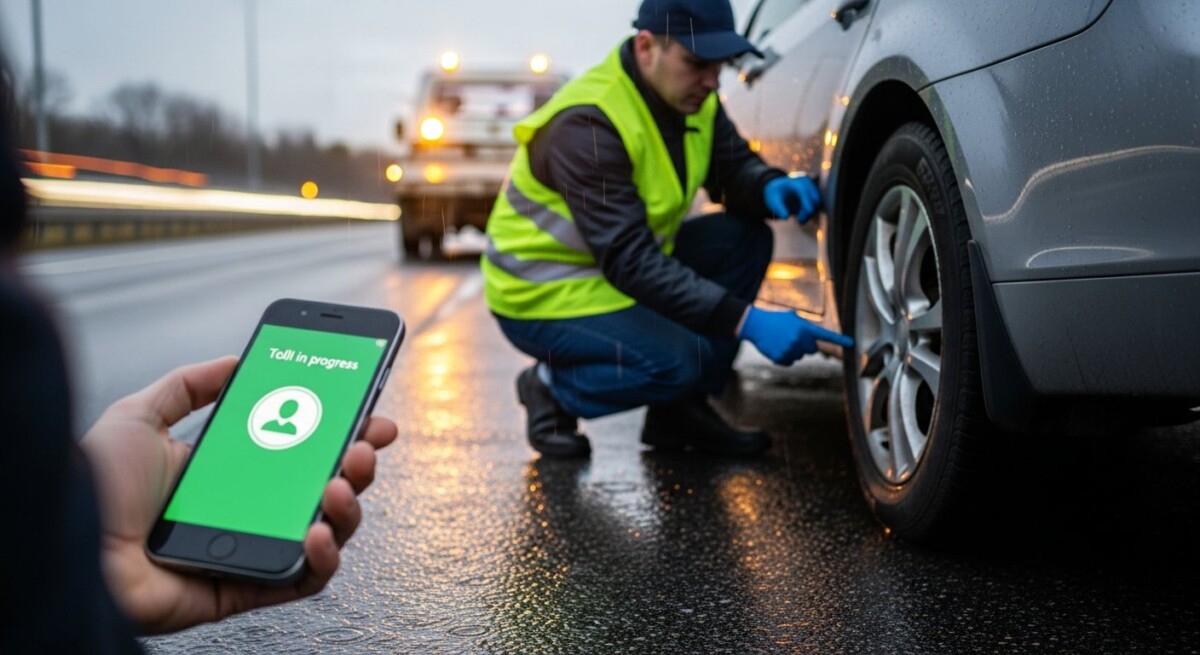
Imagine driving home late at night when your tire blows out on a dark stretch of highway. Your heart sinks as you realize you have no jack, no spare, and no idea who to call. This scenario plays out for millions of drivers every year. Roadside emergencies are stressful, inconvenient, and often expensive if you pay out of pocket. That is where auto insurance with roadside assistance becomes a game changer. By bundling this coverage into your policy, you gain access to help with flat tires, dead batteries, lockouts, fuel delivery, and towing. But is it worth the extra cost? And how do you choose the right plan? This article breaks down everything you need to know so you can make an informed decision.
What Is Auto Insurance With Roadside Assistance?
Auto insurance with roadside assistance is an add-on or endorsement to your standard car insurance policy. It provides on-the-spot help when your vehicle becomes disabled due to a mechanical issue, an accident, or a simple mistake like locking your keys inside. Most major insurers offer this coverage for a small additional premium, typically ranging from a few dollars to around $20 per month. The service is usually provided through a network of third-party towing companies and service providers who are dispatched when you call a 24/7 hotline or use a mobile app.
The key difference between this add-on and a standalone roadside membership (like AAA) is the integration with your existing insurance. With auto insurance with roadside assistance, you pay only for the months you carry the policy, and the cost is billed with your premium. Standalone memberships often require an annual fee and may have different service limits. Additionally, using your roadside assistance through insurance may count as a claim, which could affect your rates in some states. Understanding these nuances helps you decide which option fits your lifestyle and budget.
For a deeper look at how this coverage works and whether it fits your needs, check out our guide on auto insurance with roadside assistance: smart coverage.
Common Services Included in Roadside Assistance Coverage
When you add roadside assistance to your auto policy, you typically receive a set of predefined services. While coverage details vary by insurer, most plans include the following core services:
- Towing: Your vehicle is towed to the nearest qualified repair shop, often up to a set mileage limit (e.g., 10 to 15 miles).
- Battery Jump-Start: A technician arrives to jump-start your dead battery.
- Flat Tire Change: They will change your flat tire with your working spare. If you have no spare, towing may be necessary.
- Lockout Service: If you lock your keys in the car, a professional will attempt to unlock it.
- Fuel Delivery: A small amount of gas (usually 2-3 gallons) is delivered if you run out of fuel. You pay only for the gas itself.
- Winching/Extrication: If your vehicle is stuck in mud, snow, or a ditch, the service may help pull it out (within limits).
Some insurers also offer additional perks like trip interruption coverage, which reimburses you for lodging and meals if a breakdown occurs far from home. However, these extras are not universal. Always read the policy details to understand exactly what is covered and any exclusions. For example, many plans exclude service for vehicles used in commercial activities or off-road driving.
To see how these services compare with standalone options, read our article on auto insurance with roadside assistance: is it worth it?
How Much Does Roadside Assistance Cost on an Auto Policy?
The cost of adding roadside assistance to your auto insurance is surprisingly low. On average, you can expect to pay between $3 and $15 per month, depending on your insurer, state, and the level of coverage. Some companies even include basic roadside assistance for free as a perk of certain policy tiers. For example, a premium policy from a top insurer might automatically include towing and labor coverage without an extra charge.
Compare that to a standalone AAA Classic membership, which costs about $60 per year (roughly $5 per month) but offers up to 5 miles of free towing. AAA Plus, which provides 100 miles of towing, costs around $100 per year. Insurance-based roadside assistance often provides similar or better towing distances for a comparable annual cost. However, the trade-off is that filing a roadside assistance claim with your insurer might be recorded as a claim on your policy. In some states, multiple claims for non-accident events can lead to a premium increase. Standalone memberships do not affect your insurance rates.
Before you decide, consider how often you anticipate needing the service. If you drive an older vehicle or frequently travel long distances, the peace of mind may be worth the small monthly cost. For newer cars with factory roadside programs, you might skip the add-on until the manufacturer coverage expires.
Pros and Cons of Bundling Roadside Assistance With Insurance
Advantages of Insurance-Based Roadside Assistance
One major benefit is convenience. You manage everything through one company and one monthly bill. If your car breaks down, you call the same number you use for claims. Many insurers now offer mobile apps that let you request help with GPS tracking, so you can see the service vehicle approaching in real time. Another advantage is cost: the monthly premium is often lower than what you would pay for a standalone membership with similar benefits.
Additionally, insurance-based plans often cover any driver of your vehicle, not just the policyholder. This can be helpful for families with multiple drivers. Some policies also cover rental cars and vehicles you are driving temporarily.
Disadvantages to Consider
The biggest downside is the potential claim impact. In many states, filing a roadside assistance request is considered a claim, even if it is not an accident. Too many service calls could flag you as a higher risk, leading to a rate increase at renewal. Standalone memberships like AAA do not have this issue. Another drawback is service limits. Insurance-based plans often cap towing distances at 10 to 15 miles. If your breakdown happens far from a qualified shop, you may have to pay the difference out of pocket. Finally, some insurers restrict the number of service calls per year (commonly 3 to 5). Exceeding that limit may result in denial of service or cancellation of the add-on.
Weighing these factors is essential. For many drivers, the low cost and convenience outweigh the risk, especially if they rarely use the service. For those who frequently need help, a standalone membership might be a safer bet.
For a comprehensive comparison of policy options, visit our page on auto insurance with roadside assistance: smart coverage.
When Does Roadside Assistance Make the Most Sense?
Roadside assistance is not a one-size-fits-all product. It is most valuable for certain types of drivers. If you have a long commute or frequently travel through rural areas, having a safety net can prevent hours of waiting and expensive towing bills. Parents of teenage drivers also benefit, as new drivers are more likely to lock keys in the car or run out of gas. Similarly, owners of older vehicles with higher mileage are more prone to breakdowns, making this coverage a smart investment.
On the other hand, if you drive a brand-new car with a comprehensive manufacturer warranty that includes roadside assistance, you might not need the insurance add-on. Many automakers offer free roadside service for the first few years. However, once that coverage expires, adding it to your insurance is an easy way to maintain protection without signing up for a separate membership.
Another consideration is your financial situation. If paying a $200 towing bill would cause hardship, then a few dollars per month for roadside assistance is a budget-friendly hedge. Conversely, if you have an emergency fund and rarely drive, you may choose to self-insure against roadside events.
How to Choose the Right Roadside Assistance Add-On
Selecting the best roadside assistance plan requires comparing a few key factors across insurers. Start by reviewing the service limits. How many miles of free towing are included? Is there a cap on the number of service calls per year? Does the plan cover you when driving a rental car or a friend’s vehicle? Next, consider the claims process. Can you request help through a mobile app? Is customer service available 24/7? Read online reviews to see how quickly and reliably the insurer dispatches help.
Also, check whether the coverage applies to all vehicles in your household. Some policies cover only the insured vehicle, while others extend to any car you are driving. If you have multiple drivers and cars, a family-friendly plan may save you money over buying separate memberships.
Finally, ask your agent about the claim classification. In some states, roadside assistance is considered a comprehensive claim; in others, it is a separate type that does not affect rates. Knowing this can help you avoid surprises at renewal. If you are unsure, get quotes from multiple insurers and compare the roadside assistance details side by side.
For more insights on choosing the best add-on, explore our resource on auto insurance with roadside assistance: a smart add-on.
Frequently Asked Questions
Does roadside assistance cover towing after an accident?
Yes, in most cases. If your vehicle is undrivable after an accident, your roadside assistance benefit can tow it to a repair shop. However, the primary coverage for accident-related towing is usually under your collision or comprehensive coverage. Roadside assistance is more commonly used for mechanical breakdowns, flat tires, and lockouts.
Will using roadside assistance raise my insurance rates?
It depends on your state and insurer. Some companies treat roadside assistance calls as non-chargeable events that do not affect premiums. Others classify them as claims, which could lead to a surcharge if you use the service frequently. Always ask your agent how claims are handled before you add the coverage.
Can I add roadside assistance to my policy at any time?
Yes, you can typically add roadside assistance mid-policy. Contact your insurer or log into your online account to make the change. The additional premium will be prorated for the remainder of your policy term.
Is roadside assistance the same as rental car reimbursement?
No. Rental car reimbursement covers the cost of a rental vehicle while your car is being repaired after a covered claim. Roadside assistance provides on-site help for breakdowns and minor emergencies. You can often add both to your policy for comprehensive protection.
Does roadside assistance cover motorcycles or RVs?
Standard auto insurance roadside assistance usually covers only passenger cars and light trucks. If you own a motorcycle or RV, you may need a specialized add-on or a standalone membership that includes those vehicles.
Making the Final Decision
Adding auto insurance with roadside assistance to your policy is a low-cost way to protect yourself from the unpredictability of the road. The convenience of a single provider, affordable monthly premiums, and 24/7 access to help make it an attractive option for most drivers. However, it is not without trade-offs, particularly the potential impact on your insurance rates if you file multiple claims. By understanding the services, costs, and limitations, you can decide whether this add-on aligns with your driving habits and budget. Review your current policy, compare a few quotes, and choose the plan that gives you the most peace of mind. After all, the best coverage is the one you never have to use, but that you are grateful to have when you need it.