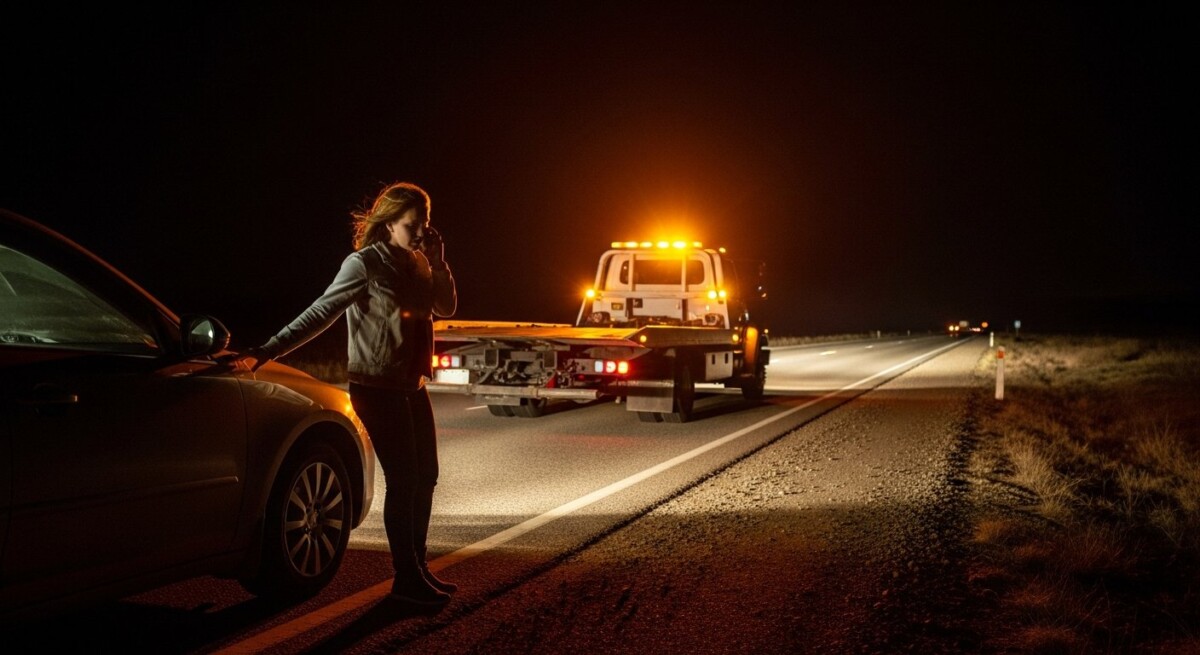
You are cruising down the highway when a loud thump signals a flat tire. You pull over, pop the trunk, and realize your spare is missing. In that moment, you need help fast. This is where auto insurance with roadside assistance becomes more than just an add-on. It becomes a lifeline. Many drivers assume that their standard policy covers towing or lockout services, but that is rarely the case. Understanding how this coverage works and what it truly offers can save you time, money, and stress when you are stranded on the side of the road.
Roadside assistance is not a one-size-fits-all product. It varies by insurer, state, and policy level. Some companies bundle it with comprehensive or collision coverage. Others offer it as a separate endorsement for a small annual fee. The key is knowing exactly what you are buying before you need to use it. In our guide on auto insurance with roadside assistance: a smart add-on, we break down the differences between basic towing support and full-service plans that include fuel delivery, battery jumps, and tire changes.
What Is Roadside Assistance Coverage?
Roadside assistance is an optional endorsement added to a standard auto insurance policy. It provides on-the-spot help when your vehicle becomes inoperable due to common roadside issues. These services typically include towing to the nearest repair shop, flat tire changes, lockout assistance, battery jump-starts, and fuel delivery if you run out of gas. Some policies also cover winching if your car is stuck in mud or snow.
Unlike emergency medical coverage or liability protection, roadside assistance is a convenience service. It does not repair your car or cover the cost of parts. Instead, it gets you moving again or towed to a safe location. Most insurers cap the number of service calls per year, often between three and five. Exceeding that limit may result in higher premiums or denial of future claims. It is important to review your policy details to understand these limits.
For drivers who commute long distances, travel frequently, or own older vehicles, this coverage offers significant peace of mind. Even newer cars can experience battery failure or punctured tires. The average cost of a single tow can range from $75 to $150 or more. Paying an extra $10 to $30 per year for roadside assistance often pays for itself after just one use.
How Does It Compare to Standalone Roadside Plans?
You may already have a membership with a roadside assistance provider like AAA or a similar service. These standalone plans operate independently of your auto insurance. They often provide broader coverage, such as longer tow distances, trip interruption benefits, and discounts on travel or lodging. However, they come with annual membership fees that can range from $50 to $150 depending on the tier.
Auto insurance with roadside assistance is typically cheaper because it is bundled into your existing policy. The trade-off is that using it may trigger a claim on your insurance record. In some states, insurers can raise your premiums if you file multiple roadside claims. This is less common with standalone plans, which do not affect your insurance score. When comparing options, consider how often you expect to need help and whether you prefer a fixed membership fee or a pay-per-use model through your insurer.
Another difference is response time. Insurance-based roadside assistance often uses third-party contractors. Service quality can vary by location and time of day. Standalone providers like AAA have their own network of service vehicles and often guarantee faster response times. If you drive in rural areas or during late hours, a standalone plan might be more reliable. For urban drivers with access to multiple towing companies, insurance-based assistance usually works fine.
What Does Auto Insurance With Roadside Assistance Cover?
Coverage details differ by insurer, but most policies include the following core services:
- Towing: Your vehicle is hauled to a nearby repair shop or a location of your choice, usually within a set mileage limit (e.g., 10 to 15 miles).
- Flat tire change: A technician replaces your flat tire with your spare. If you do not have a spare, towing may be required.
- Lockout assistance: A locksmith or technician helps you gain entry if you lock your keys inside the car.
- Battery jump-start: A service vehicle provides a jump if your battery is dead.
- Fuel delivery: A small amount of fuel (often 2 to 3 gallons) is brought to you if you run out of gas. You pay for the fuel itself.
Some policies add extras like winching, spare tire delivery, or trip interruption coverage that reimburses lodging or meals if your car breaks down far from home. Always read the fine print. For example, many insurers exclude coverage if the breakdown is due to a pre-existing mechanical issue or if you are involved in a race or off-road event. Also, most policies only cover the insured vehicle, not other cars you may be driving.
To get the most value, confirm that your policy covers the services you are most likely to use. If you frequently drive in remote areas, prioritize a plan with generous towing distance. If you have a newer car with a full-size spare, tire change coverage may be less critical. In our article on auto insurance with roadside assistance: smart coverage, we explain how to match your driving habits to the right policy options.
Who Should Consider Adding This Coverage?
Roadside assistance is not necessary for every driver, but it is highly valuable for specific groups. First, drivers with older vehicles that have higher mileage or known reliability issues benefit the most. Older cars are more prone to battery failures, alternator problems, and belt breaks. Second, people who commute long distances or travel frequently on highways face higher exposure to breakdowns. A single incident far from home can be expensive without coverage.
Third, new drivers or young adults who may not have emergency savings can avoid surprise bills with a low-cost policy add-on. Fourth, families with multiple vehicles can often add roadside assistance to all cars under one policy for a discounted rate. Finally, if you live in an area with extreme weather conditions, such as heavy snow or intense heat, your car is more likely to experience battery or tire issues. Having coverage ensures you are not stranded during dangerous conditions.
On the other hand, if you have a brand-new car with a comprehensive warranty that includes roadside assistance, you may not need to duplicate coverage. Similarly, if you already have a standalone plan that you are happy with, adding insurance-based coverage might be redundant. However, some drivers keep both as a backup: the standalone plan for primary use and the insurance add-on for emergencies when the standalone plan is unavailable.
How to Choose the Right Policy
Selecting the best auto insurance with roadside assistance requires comparing a few key factors. Start by checking the annual premium increase for adding the endorsement. Many insurers charge less than $30 per year for basic coverage. Compare that to the cost of a single tow or lockout service. Next, review the number of service calls allowed per year. Three calls is standard, but some budget plans only allow one or two. If you drive an older vehicle, a higher limit may be worth the extra cost.
Also, examine the towing distance limit. A policy that tows only 5 miles may not get you to a preferred repair shop. Look for at least 10 to 15 miles. Some premium policies offer unlimited towing distance for a flat fee. Additionally, check if the coverage applies to rental cars or vehicles you borrow. This is useful if you travel and rent cars frequently. Finally, read customer reviews about the insurer’s roadside assistance network. Delays of two hours or more are common with some companies, while others guarantee a 30-minute response time.
If you are comparing quotes from multiple carriers, ask each agent about the roadside assistance options they offer. Not all insurers display these details prominently on their websites. For a step-by-step process, refer to our guide on a complete guide to auto insurance in Massachusetts for drivers, which explains how to evaluate add-ons like rental reimbursement and roadside assistance across different states.
Common Misconceptions About Roadside Assistance
One widespread myth is that roadside assistance covers the cost of repairs or replacement parts. It does not. It only covers the service call to get you back on the road or tow you to a shop. You are still responsible for paying for a new battery, tire, or mechanical repair. Another misconception is that it covers towing after an accident. In many policies, accident-related towing falls under collision or comprehensive coverage, not roadside assistance. Roadside assistance is for mechanical breakdowns or non-collision issues.
Some drivers also believe that roadside assistance is automatically included in every policy. This is false. You must specifically request it and pay the additional premium. Many insurers offer it as a separate endorsement. Finally, people assume they can use roadside assistance for any vehicle they drive. Most policies cover only the vehicle listed on the policy. If you are driving a friend’s car and it breaks down, your insurance will not help. That friend would need their own roadside coverage.
Frequently Asked Questions
Does roadside assistance affect my insurance rates?
Filing a roadside assistance claim does not typically raise your rates the same way an accident claim does. However, some insurers track the number of calls you make. If you exceed the allowed limit or file multiple claims in a short period, your premium may increase or your coverage may be dropped. Always ask your insurer about their specific policy on rate impacts before enrolling.
Can I add roadside assistance after I buy my policy?
Yes. Most insurers allow you to add roadside assistance at any time during your policy term. You can usually do this online, through a mobile app, or by calling your agent. The premium adjustment will be prorated for the remainder of your term. There is typically no waiting period before you can use the service.
Is roadside assistance worth it for a new car?
It depends. Many new cars come with a manufacturer’s roadside assistance program for the first few years. Check your owner’s manual or warranty documents. If you already have free coverage, you may not need to pay extra. However, manufacturer programs often expire after 3 to 5 years or 36,000 miles. Adding insurance-based coverage at that point can be a smart move.
What should I do if my roadside assistance service is late?
If your provider fails to arrive within the promised time, call the dispatch number again. Explain the situation and ask for an updated ETA. If the delay is excessive, you can arrange your own towing service and request reimbursement from your insurer. Keep all receipts and document the wait time. Some insurers will reimburse you up to a certain amount, but this is not guaranteed.
For more details on filing claims effectively, our guide on a step-by-step guide to filing your California auto insurance claim offers tips that apply to roadside assistance claims as well.
Final Thoughts
Auto insurance with roadside assistance is a low-cost, high-value addition that can rescue you from unexpected roadside emergencies. By understanding what it covers, comparing it to standalone plans, and choosing a policy that fits your driving habits, you ensure that help is just a phone call away. Whether you drive a 20-year-old sedan or a brand-new SUV, breakdowns happen. Being prepared with the right coverage prevents a minor inconvenience from turning into a major headache. Review your current policy today or speak with a licensed agent to see if adding roadside assistance makes sense for your situation.