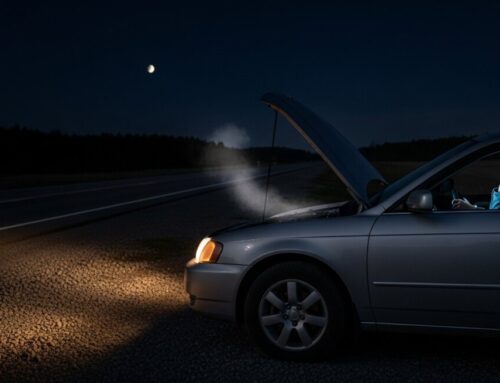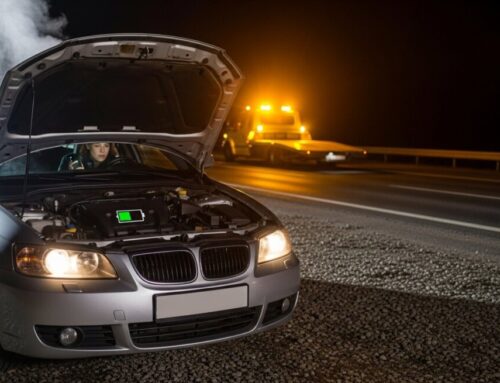
Picture this: you are driving home late at night on a busy highway, and suddenly your engine sputters and dies. You pull over to the shoulder, the dashboard lights flicker, and you realize you are stranded. In moments like these, having a plan is everything. That is where auto insurance with roadside assistance becomes more than just an add-on. It becomes a lifeline. For drivers across the United States, this coverage transforms a stressful breakdown into a manageable inconvenience, saving time, money, and frustration. But what exactly does roadside assistance cover, and how do you choose the right policy? This article breaks down everything you need to know, from typical benefits to hidden costs, so you can drive with confidence.
What Is Auto Insurance With Roadside Assistance?
Auto insurance with roadside assistance is a policy add-on or a standalone service that provides emergency help when your vehicle becomes inoperable due to a breakdown, flat tire, dead battery, lockout, or accident. Most standard car insurance policies do not include this coverage automatically. You typically add it as an endorsement, sometimes called towing and labor coverage, for an additional premium. The service connects you to a network of tow trucks, locksmiths, and roadside technicians who can assist you at the scene. This is different from a separate roadside assistance membership, like AAA, because it is bundled directly into your insurance policy. The convenience is clear: one bill, one company to call, and no extra membership fees to track. However, not all policies are created equal. Some offer limited towing distances, while others cap the number of service calls per year. Understanding these details is critical before you sign up.
Key Benefits of Adding Roadside Assistance to Your Policy
Adding roadside assistance to your auto insurance is a practical decision for most drivers. The primary benefit is financial protection. A single tow can cost between $100 and $300 depending on distance and location. A lockout service might run $50 to $150. With roadside assistance, these costs are covered up to your policy limits, often with no deductible. This means you avoid surprise bills at a time when you are already stressed. Another major advantage is convenience. When you break down, you do not have to search for a towing company or negotiate prices. You call your insurance provider, and they dispatch a pre-vetted service provider directly to your location. Many insurers offer 24/7 support, so help is available anytime, day or night. For families with multiple vehicles or teenage drivers, this coverage provides peace of mind. Parents know their kids have a safety net if they get stranded. Additionally, roadside assistance can include services like fuel delivery if you run out of gas, tire changes, and jump-starts. These small emergencies happen more often than people realize, and having coverage prevents them from turning into major disruptions.
Typical Services Covered
Most auto insurance with roadside assistance policies cover a standard set of services. While specific limits vary by insurer, here are the common inclusions:
- Towing: Covers towing your vehicle to the nearest repair shop, often with a mileage cap (e.g., 10 to 15 miles).
- Flat tire change: A technician will change your flat tire with your spare, if available.
- Battery jump-start: Assistance if your battery is dead and needs a jump.
- Lockout service: Help if you lock your keys inside the vehicle.
- Fuel delivery: A small amount of fuel (usually 2-3 gallons) delivered if you run out.
Some policies also cover winching (pulling your vehicle out of a ditch or snowbank) and fluid delivery (oil, coolant, or water). It is important to read your policy documents carefully. Some insurers exclude services like winching if you are off-road, or they limit the number of calls per year to three or four. Exceeding that limit means you pay out of pocket. Also, note that roadside assistance does not cover repairs at the scene. The technician can change a tire or jump-start your battery, but if your alternator is dead, you will need a tow to a shop. The coverage is designed to get you moving again or to a safe location, not to fix mechanical problems on the spot.
How Roadside Assistance Works With Your Insurance Claim
If you are involved in an accident, roadside assistance can overlap with your collision or comprehensive coverage. For example, if you hit a curb and damage your tire, your roadside assistance might cover the tire change, but the repair or replacement of the tire itself would fall under your collision coverage (if you have it). This distinction matters because roadside assistance is a service benefit, not a repair benefit. It pays for the labor and dispatch, not for parts or mechanical fixes. In our guide on filing a California auto insurance claim, we explain how to document breakdowns and accidents to maximize your recovery. When you call for roadside assistance after an accident, the dispatcher will ask if you need a tow to a shop or if you just need a tire change. You should always confirm with your insurer whether the tow is covered under your roadside assistance or your collision coverage. In some cases, using roadside assistance does not count as a claim, which means your rates will not increase. However, if you need to file a claim for vehicle damage, that is a separate process. Understanding this difference can save you from unexpected premium hikes. Always ask your agent: “Will using roadside assistance affect my rates?” Most insurers will say no, but it is wise to get that in writing.
Comparing Standalone vs. Insurance-Bundled Roadside Assistance
Drivers often wonder whether to add roadside assistance to their auto insurance or buy a separate membership from a provider like AAA, Good Sam, or a credit card company. Each option has trade-offs. Insurance-bundled roadside assistance is typically cheaper per year. Adding it to your policy might cost $10 to $30 per six-month term, which is far less than a AAA membership that can run $60 to $150 annually. The downside is that insurance-based plans often have lower service limits. For example, towing might be capped at 10 miles, while AAA offers up to 100 miles or more on higher tiers. Also, insurance companies may use a network of third-party providers, which can lead to longer wait times in rural areas. Standalone memberships usually have more robust coverage, including trip interruption benefits, rental car discounts, and even RV or motorcycle assistance. They also do not affect your insurance rates if you use them frequently. However, you have to manage two separate payments and remember two phone numbers. For most drivers, the choice depends on how often you drive and where you live. If you commute long distances or frequently travel through remote areas, a standalone plan with higher towing limits might be worth the extra cost. If you mainly drive locally and want the simplest solution, insurance-based roadside assistance is a smart add-on. You can also layer both: use your insurance for basic needs and a membership for major trips.
For a deeper look at how this add-on compares to other coverage options, check out our article on auto insurance with roadside assistance as a smart add-on. That guide explores cost-benefit analysis and real-world scenarios to help you decide.
Who Should Consider This Coverage?
Roadside assistance is not for everyone, but it benefits a wide range of drivers. Here are groups who gain the most value:
- New drivers and teenagers: They are more likely to lock keys in the car or run out of gas. Having coverage gives parents peace of mind.
- Long-distance commuters: If you drive more than 30 miles each way, the risk of breakdowns increases. Towing costs add up fast.
- Owners of older vehicles: Cars with high mileage are more prone to mechanical failures. A dead battery or flat tire is more common.
- Drivers in harsh climates: Snow, ice, and extreme heat can cause batteries to fail and tires to blow. Roadside assistance is essential in winter states like Minnesota or New York.
- Single parents or solo travelers: If you often drive alone, having a safety net is crucial. You cannot always rely on friends or family to come get you.
If you fall into one of these categories, adding roadside assistance to your policy is a low-cost move that can save you hundreds of dollars in emergency tows. Even if you rarely need it, the one time it saves you could be worth years of premiums. For example, a single lockout service costs about $100. If your add-on costs $20 per year, you break even in five years of not using it. That is a good bet.
Common Exclusions and Limitations
No coverage is perfect. Auto insurance with roadside assistance has exclusions you must know. Most policies will not cover the following:
- Mechanical repairs at the scene: Technicians can change tires and jump batteries, but they cannot fix a broken alternator or transmission.
- Towing beyond mileage limits: If your policy covers 10 miles and the nearest shop is 20 miles away, you pay the difference.
- Off-road or unapproved locations: If you break down on a private road or in a parking lot, coverage may still apply, but off-roading is usually excluded.
- Commercial vehicles: Most personal auto policies exclude business use. If you use your car for deliveries or rideshare, you need a commercial policy or separate coverage.
- Frequent calls: Insurers may deny service if you file more than the allowed number of calls per year (typically 3-4).
Read your policy declarations page to see the exact limits. If you have questions, call your insurer or agent. It is better to know before you are stranded.
Cost of Adding Roadside Assistance
The cost to add roadside assistance to your auto insurance is surprisingly low. On average, it adds $5 to $15 per month, or $30 to $90 per year, depending on your insurer and state. Some companies include it as part of a package discount. For example, bundling roadside assistance with rental car reimbursement and gap insurance might lower your overall premium. Compare this to a standalone AAA membership, which costs $60 to $150 annually for the basic plan, with higher tiers costing more. The insurance add-on is almost always cheaper. However, the trade-off is in service quality. AAA has a dedicated fleet and often responds faster. Insurance companies contract with local towing companies, which can lead to variable response times. To get the best value, ask your insurer about response time guarantees and network coverage in your area. You can also check online reviews for your insurer’s roadside assistance program. Some companies have excellent ratings, while others are notorious for long waits. In our guide on auto insurance with roadside assistance as smart coverage, we compare top insurers by cost and service quality.
Frequently Asked Questions
Does using roadside assistance raise my insurance rates? Generally, no. Roadside assistance is considered a service, not a claim. Most insurers do not count it as a claim or surcharge your premium. However, if you use it excessively, some companies may non-renew your policy or require you to remove the add-on.
Can I add roadside assistance after buying a policy? Yes, you can add it at any time. Contact your insurer or log into your online account. The change usually takes effect immediately or within 24 hours.
Is roadside assistance worth it for new cars? New cars come with manufacturer roadside assistance for a limited time (usually 3-5 years). You may not need to add it to your insurance until that coverage expires. Check your warranty first.
What if I have both insurance roadside assistance and a separate membership? You can use either. If your insurance covers the service, it is often cheaper to use that first, saving your membership for emergencies that exceed your policy limits.
Does roadside assistance cover rental cars? Typically no. You need to buy coverage from the rental company or check if your credit card offers it. Your personal policy’s roadside assistance usually applies only to vehicles listed on the policy.
For a complete overview of coverage options for drivers in specific states, see our guide to auto insurance in Massachusetts, which includes state-specific requirements and add-on recommendations.
Making the Right Choice for Your Wallet and Peace of Mind
Auto insurance with roadside assistance is one of the most cost-effective ways to protect yourself from the unexpected. It covers common emergencies like flat tires, dead batteries, and lockouts without requiring a separate membership or a hefty deductible. The key is to understand your policy’s limits, exclusions, and service network before you need help. Compare quotes from multiple insurers to find the best combination of price and service quality. If you drive an older car, commute long distances, or simply want to avoid the hassle of finding a tow truck in a crisis, this add-on is a no-brainer. For less than the cost of a single tow, you can secure year-round protection. Start by reviewing your current policy or getting a free quote online. A few minutes of research today could save you hours of frustration tomorrow. Call us at 833-275-7533 to speak with a licensed agent who can help you compare plans and find the right coverage for your needs.