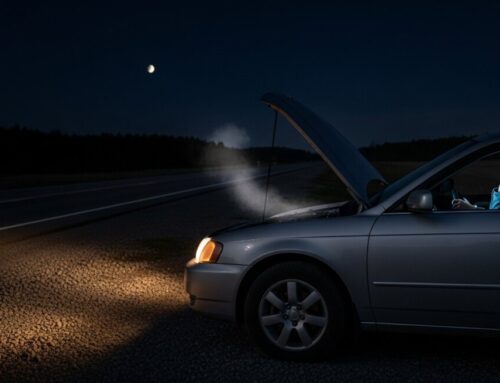
Imagine you are driving home late at night on a deserted highway when your engine suddenly sputters and dies. You pull over, grab your phone, and realize you have no idea who to call. Towing services can cost hundreds of dollars, and a simple flat tire can leave you stranded for hours. This scenario plays out for thousands of drivers every day, and it is often their first real test of insurance coverage. For many drivers, the solution lies in choosing auto insurance with roadside assistance. This combination policy not only protects you against accidents and liability but also ensures help is just a phone call away when your vehicle breaks down. In this article, we will explore exactly what this coverage includes, how it compares to standalone plans, what it typically costs, and how you can select the best option for your needs.
What Is Auto Insurance With Roadside Assistance?
Auto insurance with roadside assistance is a policy that bundles standard liability, collision, and comprehensive coverage with a roadside service package. Instead of purchasing a separate membership from an auto club or a third-party provider, you add a roadside assistance endorsement to your existing car insurance policy. This endorsement covers common emergency services such as towing, flat tire changes, battery jump-starts, lockout assistance, and fuel delivery. The key advantage is convenience: you manage everything through one insurer, pay one premium, and file one claim if you need help.
For example, if your battery dies in a grocery store parking lot, you call your insurance company’s roadside assistance hotline. They dispatch a local service provider to jump-start your car. You pay nothing upfront because the cost is covered by your policy, subject to your plan’s limits. This streamlined process saves time and reduces stress during an already frustrating situation. Most major insurers, including State Farm, Geico, Progressive, and Allstate, offer this add-on, though the specific services and coverage limits vary.
Coverage Details: What Is Included and Excluded
Before you add roadside assistance to your policy, you need to understand exactly what services are included and where the gaps lie. While providers differ, most standard roadside assistance endorsements cover the following:
- Towing: Your vehicle is towed to the nearest qualified repair facility, typically up to a specific distance (often 10 to 15 miles). Some policies cap the total towing cost per incident.
- Flat Tire Change: A technician will replace your flat tire with your spare. If you do not have a spare, they may tow your vehicle to a tire shop.
- Battery Jump-Start: If your battery is dead, a service vehicle will jump-start it on the spot.
- Lockout Assistance: If you lock your keys inside the car, a locksmith or technician will attempt to open the door.
- Fuel Delivery: You receive enough fuel (usually 2 to 3 gallons) to reach the nearest gas station. The cost of the fuel itself is often your responsibility.
It is equally important to know what is not covered. Most roadside assistance policies exclude services for vehicles that are already in a repair shop, off-road vehicles, motorcycles, and RVs unless you purchase specialized coverage. They also typically limit the number of service calls per policy period, often to three to five calls per year. If you exceed that limit, you pay out of pocket. Additionally, some insurers impose a waiting period after you purchase the policy before you can use roadside assistance, so you cannot buy coverage the day you break down and expect free service.
Cost of Adding Roadside Assistance to Your Policy
The cost of adding roadside assistance to your auto insurance is surprisingly low. On average, this endorsement adds between $3 and $10 per month to your premium, or roughly $36 to $120 per year. Compare that to a standalone membership with AAA, which costs $60 to $150 annually depending on the tier, and you can see why many drivers choose the bundled option. However, the low cost comes with trade-offs. Insurance-based roadside assistance may have lower towing distance limits and fewer annual calls than a premium AAA membership.
For example, a standard AAA Plus membership includes up to 100 miles of free towing and four service calls per year. In contrast, a typical insurance roadside assistance plan might cap towing at 10 or 15 miles and allow only three calls per year. If you frequently take long road trips or drive an older vehicle prone to breakdowns, a standalone plan might offer better value. But for the average commuter who rarely needs help, the insurance add-on is a cost-effective safety net.
Another factor is that using your roadside assistance may not directly raise your insurance rates, but it is still considered a claim. Some insurers track the frequency of claims, and if you file multiple roadside assistance requests in a short period, they might view you as a higher risk. This is less common than with accident claims, but it is worth asking your agent about their specific policy on this issue.
Standalone Roadside Assistance vs. Insurance Add-On
Drivers often wonder whether they should buy roadside assistance through their insurer or a dedicated auto club. The answer depends on your driving habits, budget, and tolerance for risk. Here are the key differences:
Cost and Convenience: Insurance add-ons are cheaper and easier to manage because you have one bill and one customer service line. Standalone memberships require a separate payment and separate contact information. However, standalone plans often provide broader coverage, including travel discounts, trip interruption benefits, and higher towing mileage limits.
Service Quality: Insurance companies contract with local towing companies and service providers. The quality of service can vary by location and time of day. Standalone clubs like AAA often have stricter quality standards and a larger network of vetted providers. If you travel frequently across state lines, a national auto club may offer more consistent service.
Claim Impact: As mentioned, using insurance roadside assistance is a claim on your policy. While it rarely causes a rate increase, it does appear on your claims history. Standalone memberships do not affect your insurance record at all. For drivers who are already high-risk or have multiple claims, this distinction matters.
Ultimately, the best choice is the one that aligns with your lifestyle. If you drive a reliable car mostly within city limits and want a low-cost backup plan, the insurance add-on is ideal. If you own an older vehicle, take long trips, or want premium perks like trip interruption coverage, a standalone plan may be worth the extra cost.
How to Choose the Right Roadside Assistance Plan
Selecting the best auto insurance with roadside assistance requires careful evaluation of your needs and the options available. Follow these steps to make an informed decision:
- Review your current policy. Check if your insurer already includes basic roadside assistance. Some companies offer it as a standard feature, while others require you to add it separately.
- Compare coverage limits. Look at the maximum towing distance, number of service calls per year, and any exclusions for vehicle type or location. Choose a plan that matches your typical driving radius.
- Check your existing memberships. Many credit cards, auto warranties, and car manufacturers include roadside assistance. Do not pay for duplicate coverage. For example, some premium credit cards offer free roadside assistance with no annual limit.
- Read customer reviews. Search online for feedback about your insurer’s roadside assistance response times and service quality. A cheap add-on is worthless if the company never answers the phone when you are stranded.
- Ask about claim handling. Confirm whether using roadside assistance counts as a claim and whether it could affect your rates. A reputable agent will give you a straight answer.
By following this process, you can avoid overpaying for coverage you do not need while ensuring you have reliable help when you need it most.
Common Misconceptions About Roadside Assistance Coverage
Many drivers hold incorrect beliefs about how roadside assistance works within an auto insurance policy. Let us clear up a few of the most frequent myths.
Myth 1: Roadside assistance covers all breakdowns anywhere. In reality, coverage is usually limited to public roads and highways. If you break down on private property, such as a farm or a gated community, the insurer may deny the claim. Always check the policy’s geographic limitations.
Myth 2: You can use roadside assistance for any mechanical issue. Most plans cover only specific emergencies like flat tires, dead batteries, and lockouts. They do not cover major mechanical repairs, transmission failures, or engine diagnostics beyond basic jump-starts. If your engine seizes, you will need a tow to a shop, but the repair cost is yours.
Myth 3: Roadside assistance is the same as rental car reimbursement. These are two separate coverages. Roadside assistance gets your car moving again or tows it to a shop. Rental car reimbursement pays for a temporary vehicle while yours is being repaired. You need both if you want complete protection.
Understanding these distinctions prevents unpleasant surprises during an emergency. Always read the fine print and ask your agent to explain any ambiguous terms.
State-Specific Considerations for Roadside Assistance
Insurance regulations vary by state, and roadside assistance is no exception. In some states, insurers are required to offer this coverage as an optional add-on. In others, it may be bundled with other endorsements. For example, in Florida, roadside assistance is commonly sold alongside personal injury protection due to the high number of accidents and breakdowns. In California, insurers must clearly disclose the cost and coverage limits of roadside assistance as a separate line item on your declarations page.
If you live in a state with extreme weather conditions, such as heavy snow in the Northeast or intense heat in the Southwest, you may want a plan with higher towing limits and more annual calls. Winter breakdowns and summer overheating events are more common in these regions. Additionally, drivers in rural areas should prioritize plans with longer towing distances because repair shops can be miles away.
For a deeper look at how coverage works in specific states, read our complete guide to auto insurance in Massachusetts for drivers, which explains regional requirements and add-on options.
Frequently Asked Questions
Does roadside assistance cover a tow to any shop?
Most policies specify that the tow must be to the nearest qualified repair facility. You cannot typically request a tow to a specific shop 50 miles away unless you pay the difference in distance. Some insurers allow you to choose the shop if it is within the covered mileage limit.
Can I use roadside assistance if I am not the policyholder?
Coverage usually extends to any driver of the insured vehicle with your permission. If a friend or family member is driving your car and breaks down, they can call your insurer for help. However, the policyholder must be listed on the account, and some insurers require the policyholder to be present during the service call.
Will my insurance go up if I use roadside assistance?
In most cases, no. Roadside assistance claims are considered non-chargeable incidents, meaning they do not directly cause a rate increase. However, if you file multiple claims in a short period, the insurer may view you as a higher risk, which could affect your renewal terms. Always confirm with your agent.
Is roadside assistance worth it for new cars?
New cars often come with manufacturer roadside assistance for the first few years. Check your owner’s manual or warranty documents before buying insurance-based coverage. If your car already includes free roadside assistance, you do not need to add it to your policy until the manufacturer’s coverage expires.
How do I file a roadside assistance claim?
Call your insurer’s 24/7 roadside assistance hotline, provide your policy number, location, and a description of the problem. The dispatcher will send a service provider to your location. Keep your phone charged and stay with your vehicle until help arrives. After the service, the insurer handles payment directly with the provider.
Final Thoughts on Auto Insurance With Roadside Assistance
Adding roadside assistance to your auto insurance is one of the most affordable and practical ways to protect yourself from the unexpected. For a few dollars per month, you gain access to towing, jump-starts, tire changes, lockout help, and fuel delivery. While it is not a replacement for a premium auto club membership, it offers sufficient coverage for the majority of everyday breakdowns. The key is to review the specific limits, understand what is excluded, and choose a plan that fits your driving patterns. If you are ready to compare policies and find the best rates, call us at 833-275-7533 to speak with a licensed agent. For more insights on how to tailor your coverage, see our detailed breakdown of roadside assistance as a smart add-on and our guide to smart coverage strategies. And if you ever need to file a claim after a breakdown, our step-by-step guide to filing an insurance claim will walk you through the process.