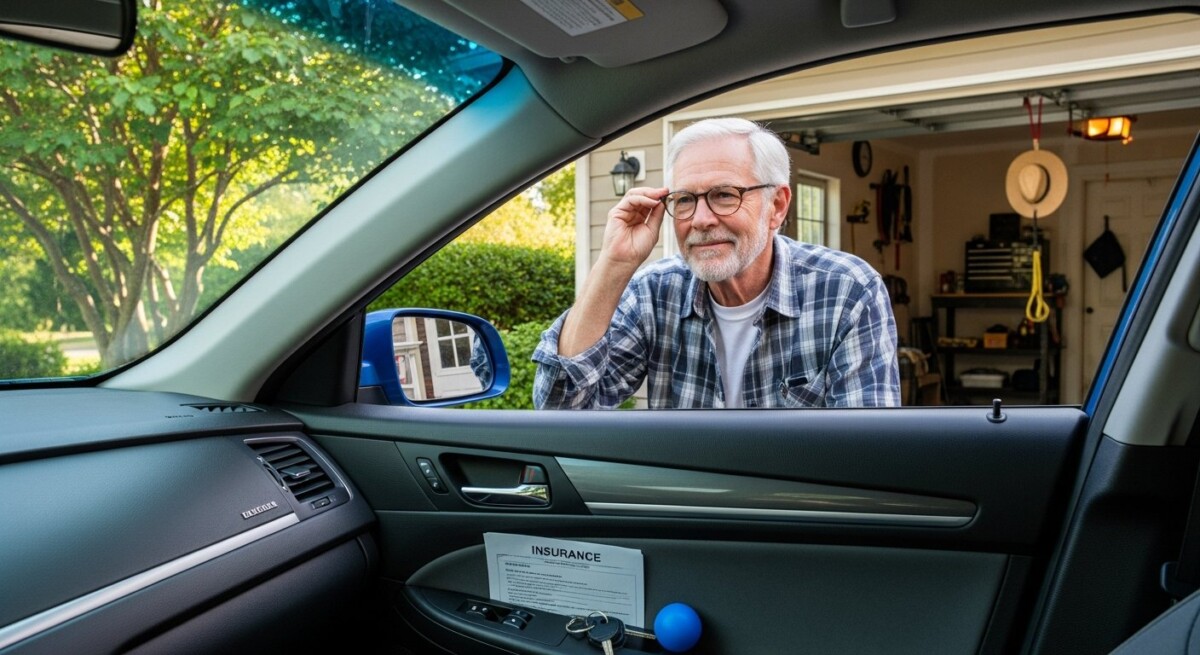
As you enter your golden years, your car insurance rates may not be as golden as you hoped. Many seniors face rising premiums due to age-related risk factors, yet they need reliable coverage to stay mobile and independent. Finding affordable auto insurance for senior citizens is not just about cutting costs. It is about securing protection that fits a fixed income while maintaining the freedom to visit family, run errands, and enjoy retirement. The good news is that insurers offer specific discounts, usage-based programs, and policy adjustments that can significantly lower your premium. This guide walks you through the best strategies to reduce rates without sacrificing coverage.
Why Senior Drivers Often Pay More
Insurance companies base premiums on statistical risk. While mature drivers are generally more experienced and cautious than younger ones, data shows that accident risk increases after age 65. Reaction times slow, vision and hearing may decline, and certain medications can affect driving ability. As a result, insurers adjust rates upward for seniors, especially those over 75. However, this does not mean you are stuck with high prices. Understanding why rates climb helps you counter those factors with smart choices.
For instance, a 2023 study from the Insurance Institute for Highway Safety found that fatal crash rates per mile driven begin to rise at age 70 and increase sharply after 80. Insurers use this data to set premiums. Yet many seniors drive fewer miles than younger demographics, which can work in their favor if you report low annual mileage. Additionally, loyalty to one company for decades can actually backfire because loyal customers sometimes miss out on competitive rates from other carriers. Shopping around every two to three years is essential for keeping premiums low.
Key Discounts That Lower Your Premium
Insurers offer several discounts specifically designed for older drivers. The most common is the mature driver discount, typically available to drivers aged 50 to 65. But there are others you may not know about. Combining multiple discounts can reduce your annual premium by 15 to 30 percent. Here are the top discounts to ask about when comparing quotes.
- Low-mileage discount: If you drive fewer than 7,500 miles per year, you could save 5 to 15 percent.
- Defensive driving course discount: Completing an approved course (often online) can cut rates by 10 percent or more for three years.
- Multi-policy discount: Bundling auto insurance with homeowners or renters insurance often yields 10 to 25 percent savings.
- Vehicle safety features discount: Cars with anti-lock brakes, airbags, and anti-theft systems qualify for lower rates.
- Paid-in-full discount: Paying your annual premium upfront instead of monthly can save 5 to 10 percent.
Ask your agent or compare companies online to see which discounts apply. Some carriers, such as The Hartford and GEICO, have specialized programs for AARP members that include additional savings. Remember that discounts vary by state and insurer, so a personalized quote is the only way to know your exact savings.
Usage-Based Insurance: Pay for What You Drive
One of the most effective ways to secure affordable auto insurance for senior citizens is through usage-based insurance (UBI) or pay-per-mile programs. These policies use a telematics device or smartphone app to track your driving habits, including miles driven, speed, braking, and time of day. Because many seniors drive less and more cautiously than younger drivers, UBI can result in substantial savings. In our guide on the rise of pay-as-you-go auto insurance, we explain how this model works and who benefits most.
For example, if you only drive to the grocery store, doctor appointments, and social events a few times a week, your annual mileage may be under 5,000 miles. A traditional policy might charge you the same as someone who commutes 30 miles each way daily. With a pay-per-mile plan, you only pay for the miles you actually drive, plus a small daily base rate. Companies like Nationwide, Allstate, and Progressive offer such programs. Just be aware that telematics can raise rates if you drive aggressively or at high-risk hours, so this option is best for cautious drivers.
Comparing Quotes Across Multiple Insurers
Rates for senior drivers can vary by hundreds of dollars between companies. A 70-year-old driver with a clean record might pay $1,200 per year with one insurer and $1,800 with another for the same coverage. That is why shopping around is critical. Start by gathering quotes from at least three to five carriers, including both national brands and regional insurers. Use online comparison tools to streamline the process, but also call agents directly to ask about senior-specific discounts that may not appear on a website.
When comparing quotes, ensure each policy has the same coverage limits and deductibles. Otherwise, you are comparing apples to oranges. Look at liability limits, comprehensive and collision deductibles, and any add-ons like roadside assistance or rental car coverage. If you have a newer vehicle, consider dropping collision coverage once the car’s value falls below $3,000 to $4,000. That single move can save you 20 to 30 percent on your premium. For more on how different coverage types affect claims, read our article on hit-and-run auto insurance coverage explained.
Adjusting Coverage to Fit Your Needs
As you age, your driving habits and financial situation change. A policy that made sense at age 50 may no longer be appropriate at 70. Review your coverage annually to eliminate unnecessary extras. For example, if you own your car outright and have sufficient savings to cover a total loss, you may not need comprehensive and collision coverage. Dropping these can reduce your premium by 40 to 50 percent. However, if you still have a car loan or lease, the lender will likely require full coverage.
Another adjustment is raising your deductible. Increasing your collision deductible from $500 to $1,000 can lower your premium by 10 to 20 percent. Just make sure you have that amount set aside in an emergency fund. Also, consider reducing or eliminating rental car reimbursement if you rarely travel far from home. Similarly, roadside assistance may be redundant if you already have it through your credit card or auto club. Tailoring your policy to your actual needs is a direct path to affordable auto insurance for senior citizens.
The Role of Credit Score in Premiums
In most states, insurers use credit-based insurance scores to set rates. A higher credit score typically leads to lower premiums. This factor can be especially impactful for seniors on fixed incomes who may have experienced financial setbacks. If your credit score has dropped, you could be paying more than necessary. Fortunately, credit scores can be improved over time. Paying bills on time, reducing credit card balances, and avoiding new credit inquiries can boost your score within six to twelve months.
If you live in a state that restricts the use of credit in insurance (California, Hawaii, Massachusetts, and Michigan), this factor will not affect your rate. But in other states, improving your credit could save you 15 to 25 percent. Check your credit report annually at AnnualCreditReport.com and dispute any errors. A small improvement can translate into significant savings on your auto insurance.
State-Specific Considerations for Seniors
Insurance regulations and average rates vary widely by state. For example, Florida and Michigan have some of the highest premiums in the nation due to high litigation rates and no-fault laws. Seniors in these states need to shop aggressively and consider dropping unnecessary coverage. In contrast, states like Maine and Vermont have lower average rates. Regardless of where you live, check whether your state offers any senior-specific insurance programs or rebates. Some states mandate discounts for drivers over 55 who complete accident prevention courses.
Additionally, if you move to a state with different insurance requirements, your rates may change. For instance, moving from a low-cost state like Ohio to a high-cost state like New York could double your premium. Always get new quotes when you relocate. For those living in no-fault states, understanding how medical payments coverage interacts with Medicare is crucial. Our article on what is a no-fault auto insurance policy provides clarity on how these laws affect your coverage choices.
Defensive Driving Courses: A Proven Saver
Many seniors overlook the defensive driving course discount because they assume it is only for younger drivers or those with tickets. In reality, most states require insurers to offer a discount for drivers aged 55 and older who complete an approved course. The course can be taken online in as little as four to six hours, and the discount typically lasts for three years. Some courses are free or low-cost through AARP or local community colleges.
Beyond the immediate savings, these courses refresh your knowledge of road rules, hazard perception, and new traffic laws. They can also help you avoid accidents, which keeps your record clean and your rates low. Even if your insurer does not offer a specific discount, completing a course may still qualify you for a lower rate under a general safe driver discount. Always ask your agent before enrolling to confirm the discount applies.
When to Consider a Telematics Program
Telematics programs are not for everyone, but they can be a game-changer for seniors who drive infrequently and cautiously. These programs use a device or app to monitor your driving behavior. If you consistently drive during daylight hours, obey speed limits, and brake gently, you could earn discounts of 20 to 30 percent. Some insurers even offer a guaranteed discount just for enrolling.
However, there are privacy considerations. Some seniors are uncomfortable with being tracked. If that is a concern, ask the insurer what data they collect and how it is used. Most companies only use the data to calculate discounts and do not share it with third parties. Also, note that if your driving habits change (e.g., you start driving more at night), your discount may decrease. For light drivers, though, the savings often outweigh the privacy trade-off.
Frequently Asked Questions
At what age do car insurance rates go up for seniors? Rates typically begin to increase around age 65, with more significant hikes after age 75. However, individual rates depend on driving record, location, and insurer.
Can seniors get the same discounts as younger drivers? Yes, but seniors also qualify for age-specific discounts such as mature driver and defensive course discounts. Many insurers also offer low-mileage discounts that benefit retirees.
Is it cheaper to insure a senior driver on a shared policy? Often yes. Adding a senior driver to a family policy with multiple cars and drivers can lower per-person costs through multi-car and multi-driver discounts. Compare individual versus shared policies.
Do I need full coverage after age 70? Not necessarily. If your car is older and worth less than $4,000, dropping comprehensive and collision coverage may save you money. Evaluate your vehicle’s value and your ability to replace it.
How often should seniors shop for auto insurance? At least once every two years, or after major life changes like moving, retiring, or buying a new car. Rates and discounts change frequently, so regular comparison shopping ensures you are not overpaying.
For new drivers in your household, check out our guide on top student driver auto insurance options to find affordable coverage for younger family members.
Final Thoughts on Saving as a Senior Driver
Securing affordable auto insurance for senior citizens is achievable with a proactive approach. Review your coverage annually, ask about every possible discount, and compare quotes from multiple insurers. Consider usage-based programs if you drive less than average, and take a defensive driving course to refresh your skills and lower your rate. Small changes like raising your deductible or bundling policies can add up to hundreds of dollars in savings each year. You have spent decades building your retirement savings. Do not let high insurance premiums eat into it. Start comparing quotes today and drive confidently knowing you have the right coverage at the right price.