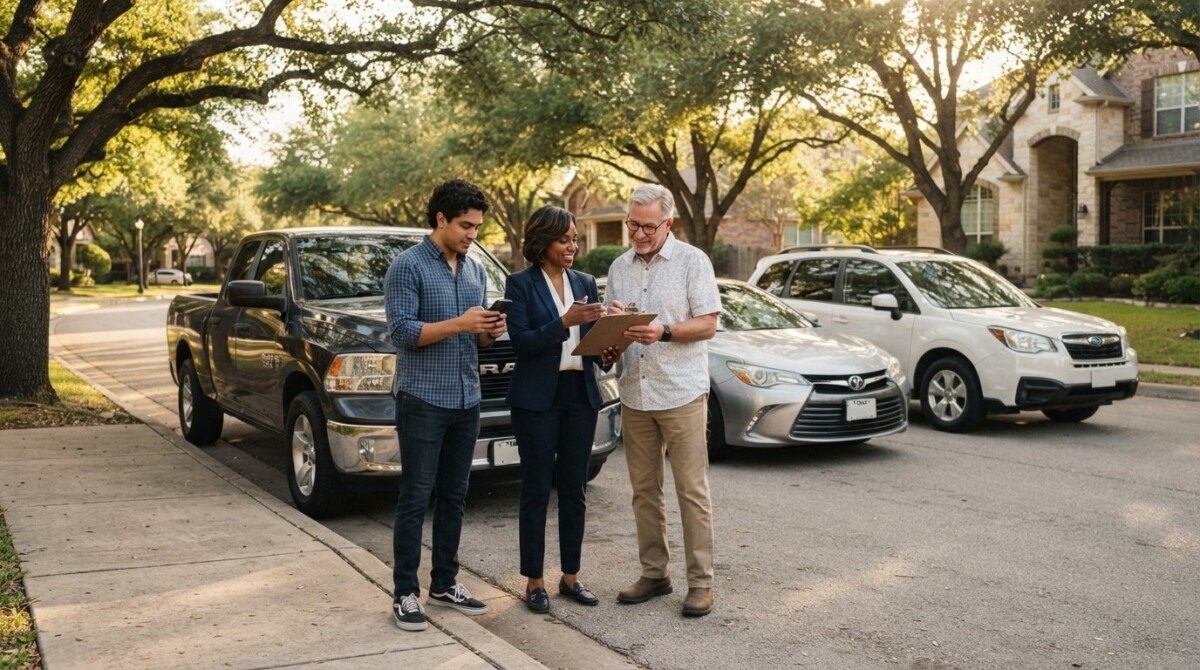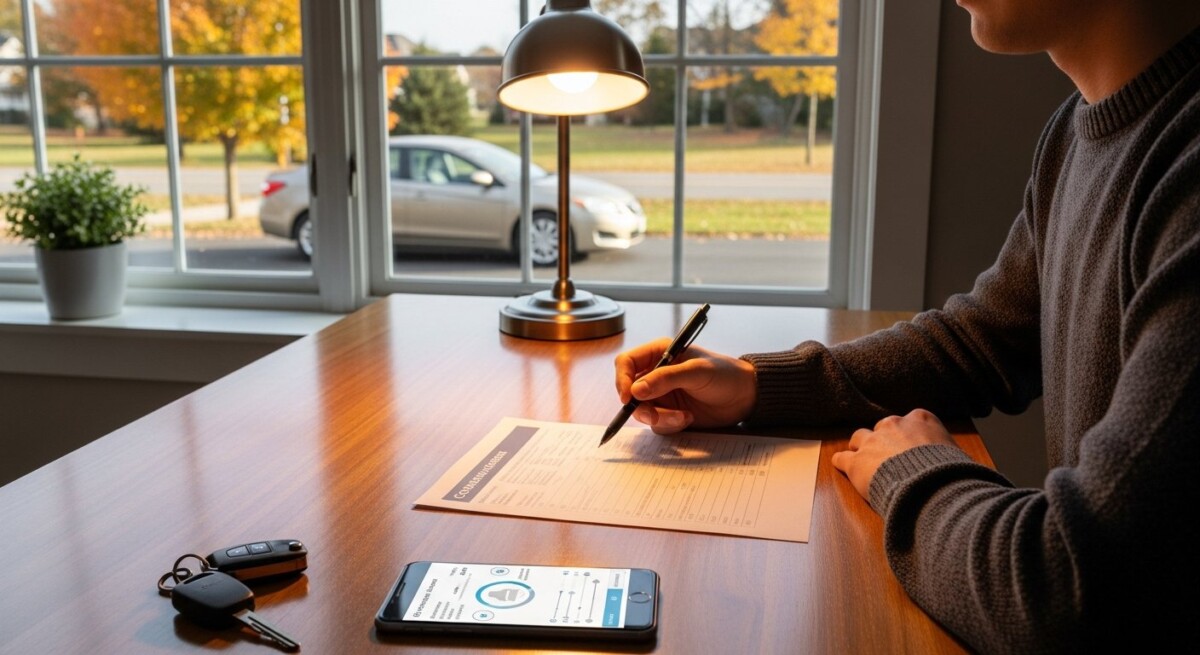
Buying your first car is a milestone. But before you drive off the lot, you need to secure auto insurance for first-time car buyers. This process can feel overwhelming because you have no driving history to leverage for low rates. However, understanding the system from day one can save you hundreds of dollars and prevent costly mistakes. In this guide, you will learn exactly what coverage you need, how to compare quotes without getting confused, and how to avoid common traps that first-time buyers face.
Why First-Time Car Buyers Pay More for Insurance
Insurance companies use historical data to predict risk. A first-time driver has no claims history, no accident record, and no established pattern of safe driving. Statistically, new drivers are more likely to file claims. As a result, insurers charge higher premiums to offset that risk. This is not a punishment. It is a business calculation. You can work around it by choosing the right vehicle and the right policy structure.
Another factor is your credit score. In most states, insurers consider credit-based insurance scores. A thin credit file or a low score can raise your premium. If you are young and just starting out, your credit history may be minimal. That is okay. You can still find affordable coverage by shopping around and asking about discounts for good students, driver education courses, or bundling with a parent’s policy.
How to Get Auto Insurance for First-Time Car Buyers
The process is straightforward if you follow these steps. First, decide whether you want to be added to an existing policy or start your own. Being added to a parent’s policy is often cheaper because the primary driver has a long history. Second, choose a vehicle with a low insurance risk profile. A sedan with good safety ratings and a moderate engine size will cost less to insure than a sports car. Third, gather your personal information: driver’s license number, vehicle identification number (VIN), and odometer reading. Fourth, compare at least three quotes from different insurers. Each company weighs factors differently, so rates can vary by hundreds of dollars.
When you compare quotes, look at the coverage limits, not just the price. A cheap policy with bare minimum liability may leave you exposed after an accident. For first-time buyers, we recommend at least $100,000 per person and $300,000 per accident in bodily injury liability, plus $50,000 in property damage. This is a common benchmark known as 100/300/50. It provides solid protection without being too expensive.
Coverage Types You Should Know
Auto insurance is not one-size-fits-all. Understanding the main coverage types helps you make informed decisions. Here are the essential ones for first-time buyers:
- Liability coverage: Pays for damage you cause to others. It is required in almost every state. Minimum limits vary, but buying more than the minimum is wise.
- Collision coverage: Pays for damage to your car from a crash, regardless of fault. If you have a loan or lease, this is usually required.
- Comprehensive coverage: Pays for damage from non-collision events like theft, vandalism, hail, or hitting an animal. Also required by most lenders.
- Uninsured/underinsured motorist coverage: Protects you if you are hit by a driver who has no insurance or not enough insurance. It is required in many states and highly recommended everywhere.
Each of these coverages has a deductible. A higher deductible lowers your premium but means you pay more out of pocket before insurance kicks in. For a first-time buyer on a budget, a deductible of $500 to $1,000 is a reasonable balance.
Discounts That Help First-Time Buyers
Insurers offer discounts that can significantly reduce your premium. You just need to ask. Common discounts include:
- Good student discount: For students with a B average or higher. Ask your insurer for the specific grade requirement.
- Driver education discount: Completing an accredited driver education or defensive driving course can lower your rate.
- Multi-policy discount: Bundling your auto insurance with renters or life insurance often yields savings.
- Low mileage discount: If you drive fewer than 7,500 miles per year, you may qualify. This is especially relevant if you are using your car for occasional trips only. Check our guide on auto insurance for minimal usage to see if you qualify.
- Paid-in-full discount: Paying your six-month premium upfront instead of monthly can save you 5 to 10 percent.
These discounts stack, so combining several can make a big difference. When you get quotes, ask each agent which discounts you qualify for. Not all discounts are advertised, so being proactive matters.
Common Mistakes First-Time Buyers Make
Many first-time buyers fall into the same traps. Here are the most common ones and how to avoid them.
Mistake 1: Buying only the state minimum coverage. Minimum liability limits are often very low. If you cause a serious accident, you could be personally sued for the difference. For example, if your state minimum is $25,000 per person and the medical bills are $100,000, you owe $75,000. That risk is not worth the few dollars you save each month.
Mistake 2: Not shopping around. Rates vary wildly between companies. A single quote is not enough. Get at least three. Use an online comparison tool or work with an independent agent who can check multiple carriers. This is especially important for first-time buyers because you have no loyalty history with any insurer.
Mistake 3: Choosing a car before checking insurance costs. The vehicle you buy directly impacts your premium. A used Honda Civic will cost far less to insure than a new Ford Mustang. Before you sign the purchase agreement, get an insurance quote for that specific car. If the premium is too high, choose a different vehicle.
Mistake 4: Lying on the application. Misrepresenting your mileage, where you park the car, or who the primary driver is can lead to a denied claim or policy cancellation. Always be truthful. If you are unsure about a question, call the insurer and ask.
If you ever find yourself driving without insurance due to a lapse in coverage, you need to understand the legal consequences. Our article on first-time offense fine for no insurance explains the penalties and how to reinstate coverage quickly.
How to Compare Quotes Like a Pro
Comparing auto insurance quotes is more than looking at the total price. You must compare the same coverage limits and deductibles across each quote. Otherwise, you are comparing apples to oranges. Here is a simple framework:
- Decide on your desired coverage limits (e.g., 100/300/50).
- Choose a deductible for collision and comprehensive (e.g., $500 each).
- Request quotes from at least three companies using those exact parameters.
- Check for discounts that apply to you.
- Review the insurance company’s financial strength rating and customer service reviews.
Once you have the quotes, look at the premium differences. If one quote is significantly lower, read the fine print. It may have exclusions or lower limits on certain coverages. Also, consider the claims process. A cheap insurer that denies claims or takes weeks to pay is not a bargain. You want a carrier that is financially stable and has a reputation for fair claims handling. For rental car scenarios, our guide on how to compare auto insurance quotes for rental cars offers additional comparison strategies that apply to standard policies as well.
When to Add a Parent or Spouse to Your Policy
If you are a young adult living at home, being added to your parent’s policy is usually cheaper than buying your own. This works because the parent’s long driving history lowers the overall risk for the insurer. However, if you move out and take the car, you may need your own policy. Some insurers allow you to remain on the family policy if you are a student living away from home. Ask your agent about this rule.
If you are married, adding your spouse to your policy often results in a multi-driver discount. Even if your spouse has a less-than-perfect driving record, combining policies is typically cheaper than two separate policies. Just make sure both drivers are listed accurately on the declarations page.
What to Do After You Buy a Policy
Once you purchase a policy, you will receive a declarations page and an insurance ID card. Keep the ID card in your glove compartment or on your phone. If you are pulled over or in an accident, you will need to show proof of insurance. Also, set a reminder to review your policy every six months. As you gain driving experience and maintain a clean record, your rates should drop. You can request a rate review or shop for a new policy at renewal.
If you are leasing or financing the car, your lender will require full coverage (collision and comprehensive) for the life of the loan. Do not drop these coverages until the loan is paid off. If you do, the lender can force-place insurance on your car, which is much more expensive and provides no coverage for you.
Frequently Asked Questions
Can I get auto insurance without a driver’s license?
No. You need a valid driver’s license to purchase auto insurance. However, you can insure a car that you own but do not drive if someone else with a license will be the primary driver. That person must be listed on the policy.
How much does auto insurance cost for a first-time buyer?
There is no single answer because rates depend on age, location, vehicle, and credit. On average, a first-time buyer in their 20s can expect to pay $150 to $300 per month for a standard policy. Shopping around can reduce that by 20 to 30 percent.
Do I need full coverage on an older car?
If the car is paid off and has a low market value, you may consider dropping collision and comprehensive. A good rule of thumb is to drop these coverages if your annual premium for them exceeds 10 percent of the car’s value. For example, if your car is worth $5,000 and you pay $600 per year for collision and comprehensive, dropping them saves you money in the long run.
What happens if I let my insurance lapse?
A lapse in coverage can lead to higher rates when you reinstate, and in some states, your license can be suspended. If you are caught driving without insurance, you face fines and possible impoundment. For a detailed breakdown of the consequences, read our article on first-time offense fine for no insurance.
Can I use a rental car insurance comparison for my own car?
Rental car insurance works differently because it covers temporary use of a rental vehicle. However, the principles of comparing coverage limits and deductibles are the same. Our post on how to compare auto insurance quotes for rental cars can help you understand how to evaluate any insurance offer, including your own policy.
Getting auto insurance for first-time car buyers does not have to be stressful. By understanding the coverage types, shopping around, and asking about discounts, you can secure a policy that protects you without breaking your budget. Start your search now, and drive with confidence knowing you are covered.