If you use a vehicle for business purposes, your personal auto insurance policy is likely a ticking time bomb. Most standard policies contain exclusions for commercial use, meaning a single accident while conducting business could leave you personally liable for devastating costs. For business owners, from sole proprietors to company fleets, securing the right auto insurance isn’t just an administrative task, it’s a critical pillar of risk management and financial protection. This guide will navigate the complexities of commercial auto coverage, helping you build a policy that shields your business assets and keeps your operations moving forward safely.
The Critical Gap: Personal vs. Commercial Auto Insurance
Understanding the fundamental difference between personal and commercial auto insurance is the first step to avoiding catastrophic coverage gaps. A personal auto policy is designed for personal and household use: commuting to a fixed workplace, running errands, and family trips. The moment you use a vehicle for business activities beyond a simple commute, you enter a gray area that most personal policies explicitly exclude.
Common scenarios that trigger the need for commercial coverage include transporting goods or tools, visiting client sites or job locations, using a vehicle for ride-sharing or delivery services, or having employees operate the vehicle. If you are ever in an accident and the insurance adjuster discovers you were on a business errand, they can deny the claim entirely. This leaves you responsible for all property damage, medical bills, and legal fees, which can easily bankrupt a small business. For a deeper look at how policies are structured and the importance of understanding your coverage, our comprehensive guide on understanding auto insurance provides valuable foundational knowledge.
Types of Commercial Auto Insurance Coverage
Commercial auto insurance mirrors the structure of personal policies but with higher limits and specific endorsements tailored to business risks. The core coverages form the foundation of your policy.
Liability Insurance is legally required in most states and is the most critical component. It covers bodily injury and property damage you cause to others in an at-fault accident. For businesses, minimum state limits are almost always insufficient. Given the potential for multi-vehicle accidents or injuries to multiple parties, business owners should seriously consider limits of $1 million or more. Physical Damage coverage comprises Comprehensive and Collision. This covers damage to your own business vehicle from accidents, theft, vandalism, or weather events. Since business vehicles are essential assets, this coverage is crucial for recovery.
Medical Payments or Personal Injury Protection (PIP) covers medical expenses for you and your passengers, regardless of fault. Uninsured/Underinsured Motorist Coverage protects you if you’re hit by a driver with little or no insurance. For businesses, this is vital as downtime from an injury can halt operations. Hired and Non-Owned Auto Insurance (HNOA) is an often-overlooked but essential coverage. It applies when you or an employee uses a personal vehicle for a business errand (non-owned) or when you rent a vehicle for business (hired). Your personal policy may deny the claim, but HNOA acts as an excess layer of protection.
Who Needs Business Auto Insurance? Identifying Your Risk Profile
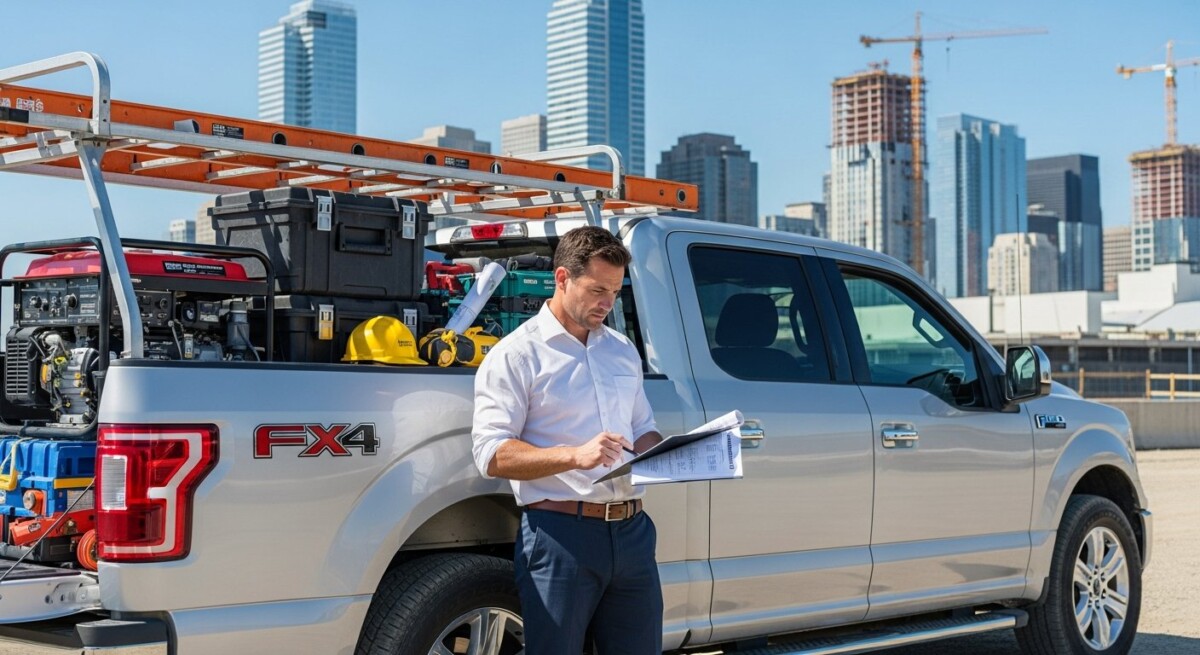
Virtually any business that uses vehicles is a candidate. This need extends far beyond the obvious trucking companies or taxi services. A consultant who drives to client meetings, a photographer carrying expensive equipment, a plumber with a van full of tools, or a real estate agent showing properties all require commercial coverage. The classification often depends on how the vehicle is used, its weight, and who drives it.
To determine your needs, ask these key questions: Is the vehicle titled in the business’s name? Do employees drive the vehicle, even occasionally? Do you transport tools, equipment, or goods for delivery? Do you travel to multiple job sites or client locations daily? Does your vehicle have custom modifications, signage, or specialized equipment? If you answered yes to any of these, a personal policy is inadequate. In some cases, business owners with unique risk profiles may even explore non-standard auto insurance options designed for higher-risk situations.
Key Factors That Influence Your Commercial Premium
Commercial auto insurance premiums are calculated using a distinct set of risk factors. Insurers will scrutinize your business operations to price your policy accurately. The type of business you run is a primary factor. A florist delivering flowers presents a lower risk than an electrical contractor hauling heavy equipment. The driving records of all employees who may operate the vehicle are heavily weighted. A clean record is essential for manageable rates.
Vehicle use includes annual mileage, radius of operation (local vs. long-haul), and what is being transported. Higher mileage and long distances increase risk. The type of vehicles insured also matters: their age, value, safety features, and gross vehicle weight rating (GVWR). Heavy trucks cost more to insure than sedans. Your desired coverage limits and deductibles directly impact your premium. Higher limits and lower deductibles increase cost, but provide greater protection. Your business’s claims history, even more than personal history, will be examined. A history of accidents or losses leads to higher premiums. Choosing a safe and reliable auto insurance company with strong financials and good service can also impact long-term cost and satisfaction, as they often offer better rates to low-risk business clients.
Steps to Acquiring the Right Policy
Navigating the commercial insurance market requires a methodical approach. Start by conducting a thorough risk assessment. Document all vehicles, their uses, drivers, and typical cargo. This information is crucial for getting accurate quotes. Next, work with an independent insurance agent or broker who specializes in commercial lines. They have access to multiple carriers and can explain complex policy language. Be prepared to provide detailed information when requesting quotes. This includes business licenses, driver’s license numbers for all employees, vehicle identification numbers (VINs), and details of past insurance and claims history.
When comparing quotes, look beyond the premium. Examine the coverage details, exclusions, and financial strength of the carrier. A cheaper policy with poor service or unclear terms can be costly in a claim. Finally, review your policy annually. As your business grows, your vehicles, drivers, and risks change. An annual review ensures your coverage evolves with your company. For a practical example of how to gather and compare quotes effectively, you can review our process for getting a Liberty Mutual auto insurance quote, which outlines key comparison steps applicable to many providers.
Frequently Asked Questions (FAQs)
Can I just add a “business use” endorsement to my personal policy?
Sometimes, for very limited business use (like a salesperson with no cargo), an endorsement may suffice. However, for most business activities involving tools, goods, or frequent client visits, a standalone commercial policy is necessary and safer.
What if my employees use their own cars for business?
This is where Non-Owned Auto Insurance (HNOA) is critical. It provides liability coverage for your business if an employee causes an accident while on a business errand in their personal vehicle. It does not cover damage to the employee’s car.
How much liability coverage should my business carry?
While state minimums are a starting point, they are woefully inadequate for business protection. A common recommendation is a combined single limit of $1 million. Your specific need depends on your business assets, the nature of your work, and potential risk exposure.
Does commercial auto insurance cover the contents of my vehicle?
Physical damage coverage (Comprehensive/Collision) covers the vehicle itself. Tools, inventory, or equipment inside the vehicle typically require separate inland marine insurance or a commercial property policy. Discuss this with your agent.
What happens if I have a personal accident while using a commercial vehicle for personal reasons?
Most commercial policies provide coverage for incidental personal use. However, the primary use must remain commercial. Frequent personal use should be disclosed, as it can affect your premium and coverage.
Securing proper auto insurance is a non-negotiable responsibility for any business owner who relies on vehicles. The upfront cost of a robust commercial policy pales in comparison to the financial ruin of a major uncovered loss. By understanding your risks, working with a knowledgeable professional, and choosing coverage that matches your operational reality, you transform an insurance policy from a simple expense into a strategic asset that protects your livelihood and enables your business to thrive on the road ahead.