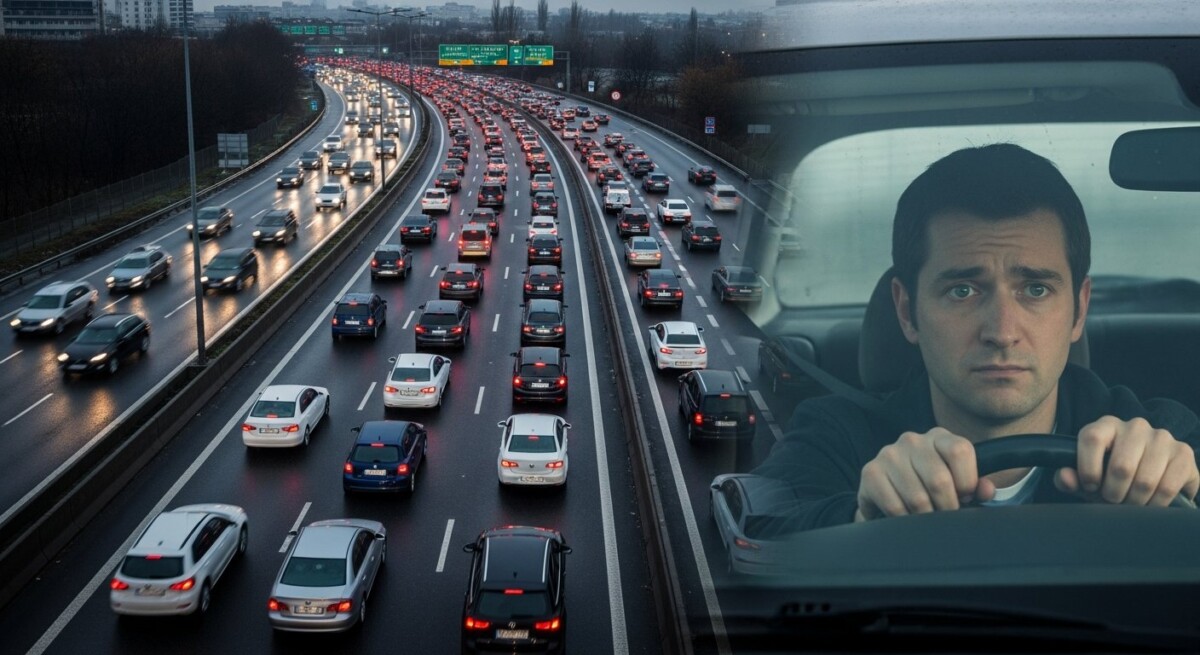
If your daily drive involves navigating congested urban streets, packed highways, or long commutes, you are not just dealing with stress and lost time. You are statistically at a higher risk for accidents, fender benders, and costly claims. This elevated risk profile directly impacts your auto insurance needs and premiums. Standard policies may not adequately address the unique challenges of high-traffic driving, leaving you potentially underprotected. Understanding how to tailor your coverage for this specific risk is crucial for both financial protection and peace of mind behind the wheel.
Why High Traffic Driving Increases Your Insurance Risk
Insurance companies base premiums on risk assessment, and high-traffic environments are a major red flag for actuaries. The correlation is simple: more vehicles in a confined space, combined with frequent stops, starts, and lane changes, dramatically increases the probability of an incident. Unlike the open road, city driving and heavy commutes present constant low-speed collision opportunities, from rear-end accidents at stoplights to side-swipes during merges. Furthermore, dense traffic often leads to driver frustration and aggressive behaviors, compounding the danger. The frequency of claims in these areas is significantly higher, which is why insurers adjust rates based on your primary garaging address and daily mileage. A vehicle used primarily for a long, traffic-heavy commute will almost always cost more to insure than an identical car used for short, occasional rural errands.
Essential Coverage Adjustments for High-Traffic Vehicles
When you know you are a high-risk driver by circumstance, not necessarily by choice, you must build a policy that anticipates the most likely scenarios. The goal is not just to meet state minimums, which are often woefully inadequate, but to construct a shield against the financial fallout of frequent small accidents and the potential for a major one.
Prioritizing Collision and Comprehensive Coverage
While liability insurance covers damage you cause to others, it does nothing for your own vehicle. In heavy traffic, your car is exposed to a myriad of dangers. Collision coverage is non-negotiable; it pays for repairs to your car after an accident with another vehicle or object, regardless of fault. Given the high likelihood of fender benders, this is your first line of defense. Comprehensive coverage acts as a complement, covering non-collision events that are still prevalent in urban areas, such as vandalism, theft, hail damage, or hitting an animal that darts into traffic. Together, these coverages ensure your investment is protected from the most common perils of dense driving environments.
The Critical Role of Uninsured/Underinsured Motorist Protection
High-traffic areas often correlate with higher rates of uninsured drivers. If you are hit by someone with no insurance or insufficient limits, you could be left paying for your own medical bills and vehicle repairs. Uninsured/Underinsured Motorist (UM/UIM) coverage is arguably more important for city commuters than anyone else. It steps in to cover your expenses when the at-fault party cannot. This includes medical payments, lost wages, and even pain and suffering in some states. Given the unpredictable nature of other drivers in congestion, skipping this coverage is a substantial gamble. For a deeper dive into state-specific insurance frameworks that often mandate or strongly recommend UM coverage, our resource on auto insurance in Massachusetts for drivers provides valuable parallels.
Strategies to Lower Your Premiums Despite the Risk
Accepting higher premiums as an inevitability is a mistake. While you cannot change your commute’s geography overnight, you can take proactive steps to mitigate the risk in the eyes of insurers and secure better rates.
Proactive measures can significantly influence your insurance costs. Consider these actionable strategies:
- Increase Your Deductible: Opting for a higher deductible on collision and comprehensive coverage lowers your monthly premium. Ensure you have the savings to cover the deductible if a claim occurs.
- Leverage Telematics: Usage-based insurance programs (UBI) monitor your driving habits, such as braking, acceleration, speed, and time of day. Safe driving in heavy traffic can actually earn you discounts, proving your risk is lower than your zip code suggests.
- Bundle Policies: Insuring your auto policy with the same company that covers your home or renters often results in a significant multi-policy discount.
- Maintain a Clean Record: This is paramount. Even a single moving violation in a high-risk area can cause your premiums to skyrocket. Defensive driving courses can sometimes offset a minor infraction and lead to discounts.
- Review Your Mileage Annually: If your commute distance decreases (e.g., you start working from home part-time), notify your insurer immediately. Lower annual mileage translates directly to lower risk.
Exploring discounts is especially important in competitive markets. For instance, understanding the offerings from top providers in Florida can reveal state-specific savings opportunities applicable elsewhere.
Beyond the Policy: Practical Risk Management for Your Commute
Your insurance policy is a financial tool for after an incident. True risk management involves preventing the incident in the first place. Adapting your driving habits and vehicle setup for heavy traffic can reduce your frequency of close calls and claims. Practice extreme defensive driving: assume other drivers will make sudden moves, maintain a safe following distance (the “three-second rule” is a minimum), and constantly scan your mirrors and blind spots. Avoid distractions absolutely; a moment glancing at a phone in stop-and-go traffic is all it takes for a collision. Consider investing in advanced safety features for your vehicle, such as automatic emergency braking (AEB), blind-spot monitoring, and rear cross-traffic alert. Many insurers now offer discounts for vehicles equipped with these verified safety technologies. Not only do they prevent accidents, but they also demonstrate to your insurer that you are serious about risk reduction.
Navigating Claims in High-Density Areas
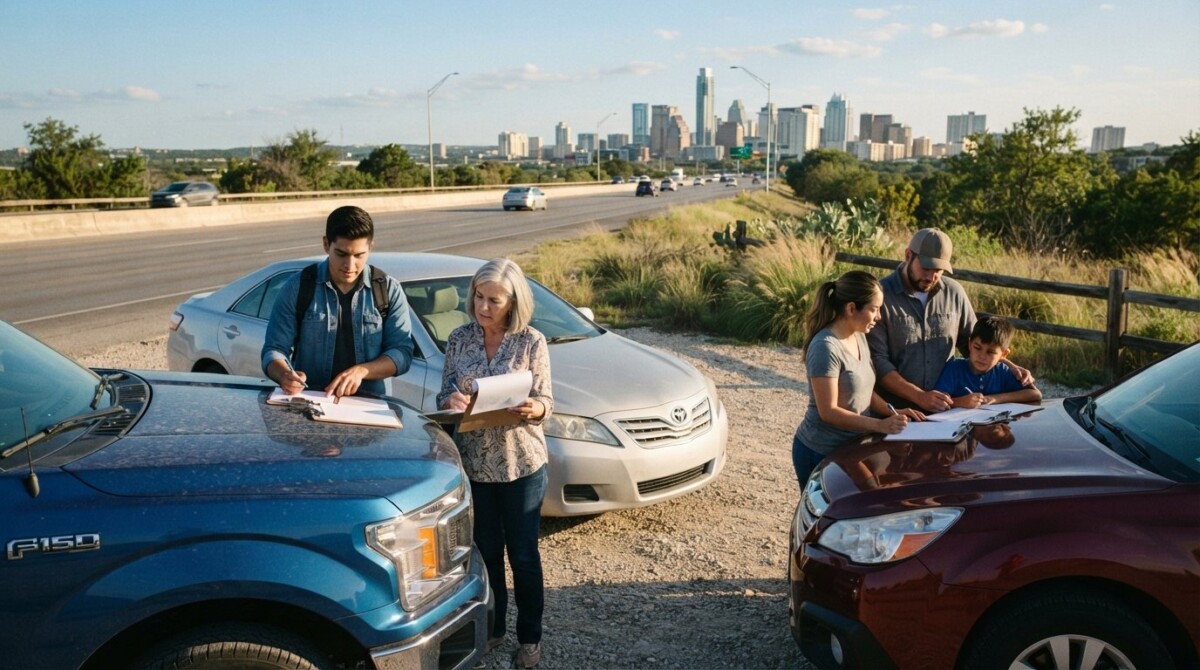
If an accident occurs in heavy traffic, the process can be more complex. There are often more witnesses, potential for multi-vehicle pile-ups, and increased pressure from law enforcement to clear the roadway quickly. Your immediate actions are critical. If it is safe to do so, document the scene thoroughly with photos and videos from multiple angles, capturing all vehicles involved, license plates, road conditions, and traffic signals. Exchange information with all other drivers and collect witness contact details. File a police report; this creates an official record which is invaluable when fault is disputed. Notify your insurer promptly to begin the claims process. Being organized and detailed helps streamline what can be a chaotic experience. For insights into how claims processes and coverage requirements can vary, the principles outlined in our guide to smart protection in Massachusetts are universally applicable.
Frequently Asked Questions
Does my insurance company know I drive in heavy traffic?
Yes, primarily through your garaging zip code and the annual mileage you report. Some companies also use more granular data. Being honest about your commute distance is essential, as misrepresentation can lead to a denied claim.
Is pay-per-mile insurance a good option for high-traffic drivers?
It can be, but with a caveath. Pay-per-mile insurance charges a base rate plus a per-mile fee. If your commute is long but in steady traffic (low-speed, low-risk miles), it might be cheaper than a traditional policy that penalizes your high-traffic zip code. However, if your commute is both long and in a high-risk area, the per-mile charge plus the base rate may not offer savings.
How much more expensive is insurance for high-traffic commuting?
There is no universal percentage, but premiums can be 15-50% higher compared to similar drivers in rural areas. The exact increase depends on the city, your specific driving record, the vehicle, and the insurance company’s own loss data in your neighborhood.
Should I consider higher liability limits?
Absolutely. The more cars around you, the higher the potential for causing a multi-vehicle accident with severe injuries. State minimum liability limits (like 25/50/25) can be exhausted instantly in such a scenario, leaving you personally liable for excess amounts. Increasing to 100/300/100 or more is a wise investment in dense traffic.
Does parking on the street vs. in a garage affect my rate?
Yes. Street-parked vehicles in high-traffic areas are at greater risk for theft, vandalism, and being hit by another vehicle. If you have a secure garage, informing your insurer can lead to a discount on your comprehensive coverage. Conversely, understanding factors in less dense states, like those affecting the best deals in Wyoming, highlights how location dictates risk variables.
Securing the right auto insurance for vehicles with high traffic is not about finding the cheapest policy, but the most intelligently structured one. It requires a balance of robust protection, strategic discounts, and personal risk mitigation. By acknowledging the unique challenges of your driving environment and proactively addressing them with your insurer, you can navigate the congested roads with greater confidence, knowing you are financially prepared for the realities of the commute.