
Learner's Permit Car Insurance: Not the Car Owner
Understand car insurance for a driver with a learner's permit who is not the car owner. Call (833)-275-7533 to compare quotes and avoid coverage gaps.

You have a learner's permit, and the car you practice in belongs to someone else. Maybe it is a parent's sedan, a friend's hatchback, or a relative's SUV. The keys are in your hand, but the insurance card has a different name on it. This situation is far more common than most people realize, and it raises a critical question: does the owner's car insurance actually cover you if something goes wrong? The short answer is often yes, but the details matter enormously. A single mistake in how the policy is structured can leave you, the owner, and the vehicle exposed to thousands of dollars in out-of-pocket costs. This guide walks you through exactly how coverage works for a driver with a learner's permit who is not the car owner, when you must be added to a policy, how premiums change, and what steps to take to protect everyone involved.
How Permissive Use Covers a Learner's Permit Driver
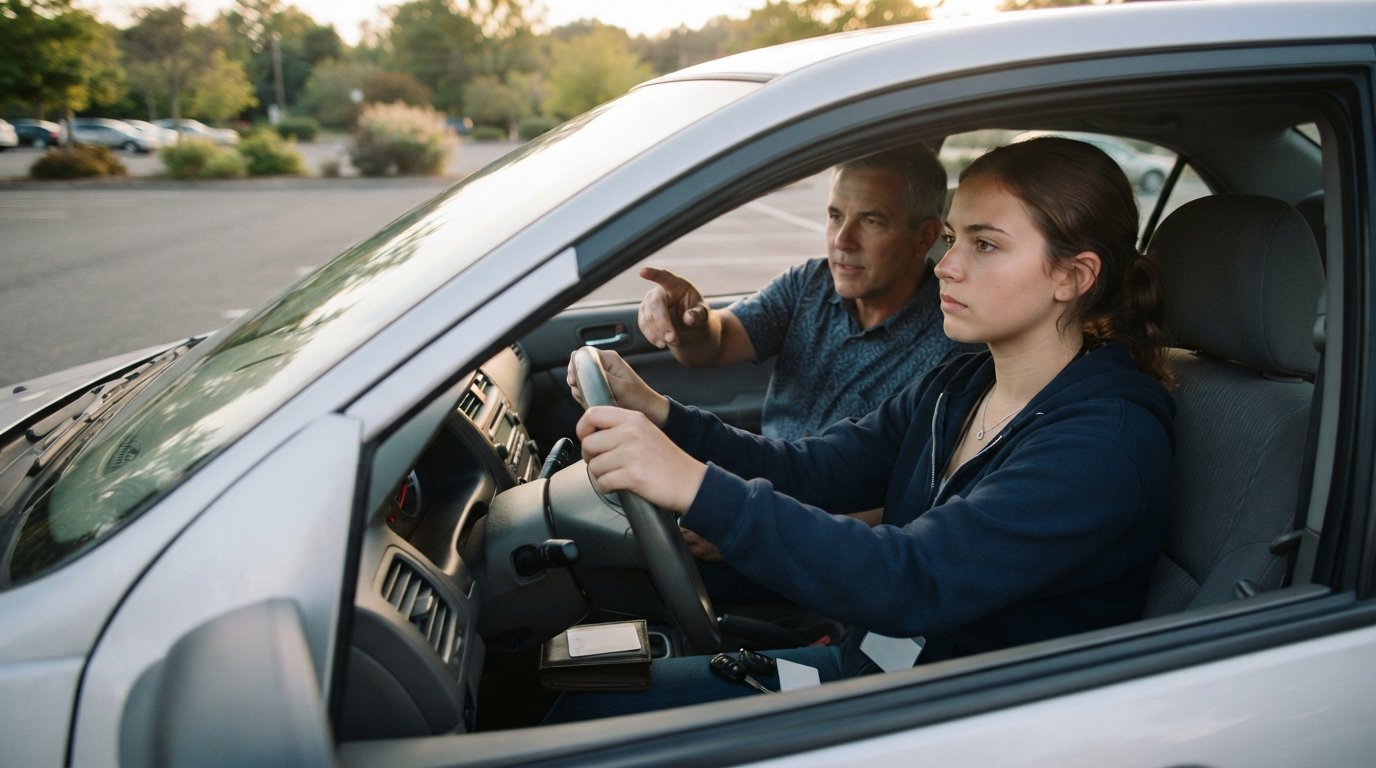
Most personal auto insurance policies in the United States include a concept called permissive use. In simple terms, if the policyholder gives you permission to drive the vehicle, the policy's liability, collision, and comprehensive coverage typically extends to you as a driver. This is the primary mechanism that protects a learner's permit holder who is not the car owner. When a licensed adult sits in the passenger seat and hands over the keys, that act of permission triggers coverage under the owner's policy.
However, permissive use is not a blank check. Insurers expect that the permission is occasional and that the driver is not a regular household member. If you live with the car owner and drive the vehicle regularly, most carriers will classify you as a household resident and require you to be listed on the policy. The distinction between occasional permissive use and regular household use is one of the most common sources of claim disputes. A claims adjuster will investigate where you live, how often you drive, and whether the owner knew you were operating the vehicle.
For a learner's permit driver specifically, permissive use generally applies as long as the supervising licensed driver is present and the owner has consented. Some policies contain exclusions for drivers who are not listed but reside in the same household, so it is essential to read the policy language or ask the owner to confirm with their carrier. If you are borrowing a car from a friend in a different household for a one-time practice session, permissive use is usually straightforward. If you are practicing in a parent's car every week while living under the same roof, the rules shift toward mandatory listing.
When You Must Be Added to the Owner's Policy
Insurers and state regulations generally require that all licensed household members be listed on an auto policy, either as rated drivers or as excluded drivers. A learner's permit holder occupies a gray area because the permit is not a full license, but many carriers still want to know about any permit holder in the home. The safest approach is to notify the insurance company as soon as a household member receives a learner's permit. This notification protects the owner from accusations of material misrepresentation if a claim arises.
You should be added to the policy, or at least disclosed to the carrier, in several specific situations:
- You live in the same household as the vehicle owner and drive the car regularly for practice.
- The insurance company's underwriting guidelines require disclosure of all household members of driving age, even permit holders.
- You are the primary operator of the vehicle for any extended period, such as a summer of daily practice with a parent.
- The owner's policy includes a household exclusion that would otherwise deny coverage for unlisted resident drivers.
Failing to disclose a permit holder who lives in the home can lead to a denied claim or a policy rescission after an accident. Insurers treat nondisclosure as a rating issue because a new driver represents additional risk. Even if the permit holder never drives alone, the carrier wants the information to price the policy correctly. The good news is that adding a permit holder is often less expensive than adding a fully licensed teen driver, and some carriers offer a grace period or a reduced rate until the permit converts to a license.
If you are borrowing a car from someone outside your household, the owner is generally not required to add you to the policy for occasional permissive use. But the owner should still verify that their policy does not exclude unlisted drivers of any age. A quick call to the insurance agent before the practice session eliminates uncertainty and protects the relationship between borrower and owner.
Premium Impacts and Student Discount Eligibility
Adding a learner's permit driver to an auto policy usually increases the premium, but the increase is often smaller than people fear. Because the permit holder is supervised and cannot drive alone, insurers price this risk lower than a fully licensed novice driver. The exact impact depends on the carrier, the state, the vehicle, and the driver's age. In many households, adding a permit holder raises the premium by a modest amount, and the increase grows once the permit becomes a full license.
Student discounts can offset part of the cost. Many carriers offer good student discounts for young drivers who maintain a B average or better, are enrolled full time, or complete a recognized driver education course. A learner's permit holder who is still in high school or college may qualify even before obtaining a full license, depending on the carrier's rules. The owner should ask the agent specifically about:
- Good student discounts for permit holders with qualifying grades.
- Driver education or defensive driving course discounts.
- Multi-policy discounts if the permit holder can be linked to a family renters or homeowners policy.
- Telematics or safe driver programs that reward low-risk driving behavior.
These discounts do not eliminate the premium increase, but they can reduce it meaningfully. The key is to ask before the policy is updated, because some discounts require specific documentation such as a transcript or a course completion certificate. Waiting until after the policy term begins can delay the savings by months.
Risks of Practicing in Another Household's Car
Letting a permit holder practice in a car owned by someone in a different household carries real risks that deserve careful thought. The first risk is coverage denial. If the owner's policy contains a strict permissive use limitation or an exclusion for unlisted drivers, an accident during practice could fall outside coverage. The owner could face personal liability, and the permit holder's family could face a lawsuit. Even when coverage applies, the owner's premium may rise after a claim, straining the relationship.
The second risk is financial responsibility. If the permit holder causes an accident and the owner's policy limits are low, the injured party may pursue the permit holder's family assets. A learner's permit does not shield anyone from liability. In most states, the parent or guardian who signed the permit application may bear financial responsibility for the minor's driving. Practicing in another household's car does not transfer that responsibility to the car owner.
The third risk is policy misrepresentation. If the owner tells the insurer that only household members drive the car, but a neighbor's teenager practices in it weekly, the owner has misrepresented the risk. Insurers can deny claims or cancel policies when they discover undisclosed regular operators. The safe path is transparency: the owner should confirm with the carrier that permissive use covers the arrangement, and the permit holder's family should confirm that their own auto policy or umbrella policy provides excess protection if needed.
For families navigating multiple financial obligations, including auto loans and insurance, resources like car loan refinancing guides can help free up cash flow to afford proper coverage. A lower monthly loan payment sometimes makes room for the added premium of listing a new driver.
Steps to Take When a New Driver Joins the Household
When a permit holder begins driving in a household, the right sequence of actions prevents coverage gaps and surprise costs. The process is straightforward if you act early and communicate clearly with the insurance carrier. The following steps outline a practical framework:
- Notify the insurance agent immediately. Call the carrier or agent as soon as the permit is issued. Ask whether the permit holder must be listed, what documentation is required, and how the premium will change.
- Confirm permissive use rules in writing. Request a summary of the policy's permissive use and household exclusion provisions. Keep the email or letter for your records.
- Ask about discounts before the policy update. Inquire about good student, driver education, and telematics discounts so they can be applied from the start.
- Review liability limits. A new driver increases the chance of a claim, so consider raising liability limits or adding umbrella coverage if the current limits are state minimums.
- Re-shop coverage at renewal. Adding a driver changes the risk profile, and comparing quotes from multiple carriers can reveal savings that offset the increase.
Following these steps keeps the owner's policy accurate and the permit holder protected. It also builds a documented record that can be valuable if a claim ever arises. Insurance companies respond well to proactive disclosure and are far less likely to dispute a claim when the policy reflects the true driving situation.
Comparing Quotes After Adding a Permit Holder
Once a permit holder is added to a policy, the premium almost always changes, and that change is a natural trigger to compare rates. Different carriers weigh young driver risk differently, and the gap between the cheapest and most expensive quote for the same household can be hundreds of dollars per year. Shopping around at the moment a new driver joins the policy is one of the smartest financial moves a family can make.
Comparison is especially valuable because the permit stage is temporary. A carrier that offers a low rate for a permit holder may raise rates sharply once the license is issued. Asking each carrier about its projected rate after licensure helps families avoid a nasty surprise six months down the road. It also reveals which carriers offer the best student and safe driver discounts for the long term.
For drivers planning a road trip or rental during the learning period, understanding how coverage transfers matters. Our guide on 2026 rental car insurance coverage updates explains how permissive use and rental agreements interact, which is useful context for any household managing a new driver.
When comparing quotes, gather the following information for each carrier: the permit holder's age, the vehicle's year make and model, the estimated annual mileage, the current liability limits, and any discount eligibility. Presenting the same facts to every carrier produces apples-to-apples quotes. Licensed agents can walk through the details and identify coverage combinations that protect the household without overpaying.
Final Thoughts on Protecting a Permit Holder in Someone Else's Car
Car insurance for a driver with a learner's permit who is not the car owner hinges on permission, disclosure, and policy language. Permissive use usually covers occasional practice in another person's vehicle, but household members and regular drivers must be listed. The owner should notify the carrier when a permit holder joins the home, ask about student discounts, and review liability limits before the first practice session. The permit holder's family should confirm that their own coverage provides a backstop and should never assume the car owner's policy handles everything. Acting early, documenting the arrangement, and comparing quotes at renewal turn a confusing situation into a manageable one. With the right steps, a new driver can build experience safely while everyone involved keeps their financial protection intact.