
How Electric Vehicle Insurance Differs From Gas Car Coverage
See how electric vehicle insurance differs from gas car coverage, from battery protection to repair costs. Call (833)-275-7533 for a free quote comparison.

Electric vehicles now represent a substantial share of new car sales in the United States, and millions of drivers have made the switch. Yet many of those same drivers are surprised when they call their insurer and learn that the policy they carried on a gas-powered sedan does not translate perfectly to a battery-powered crossover. The gap is not a marketing gimmick: it reflects real differences in repair costs, replacement parts, and the way EVs are built. Understanding how electric vehicle insurance differs from gas car coverage helps you ask better questions, avoid coverage gaps, and compare quotes on equal footing instead of guessing.
Why EV Insurance Costs More: The Repair and Replacement Math
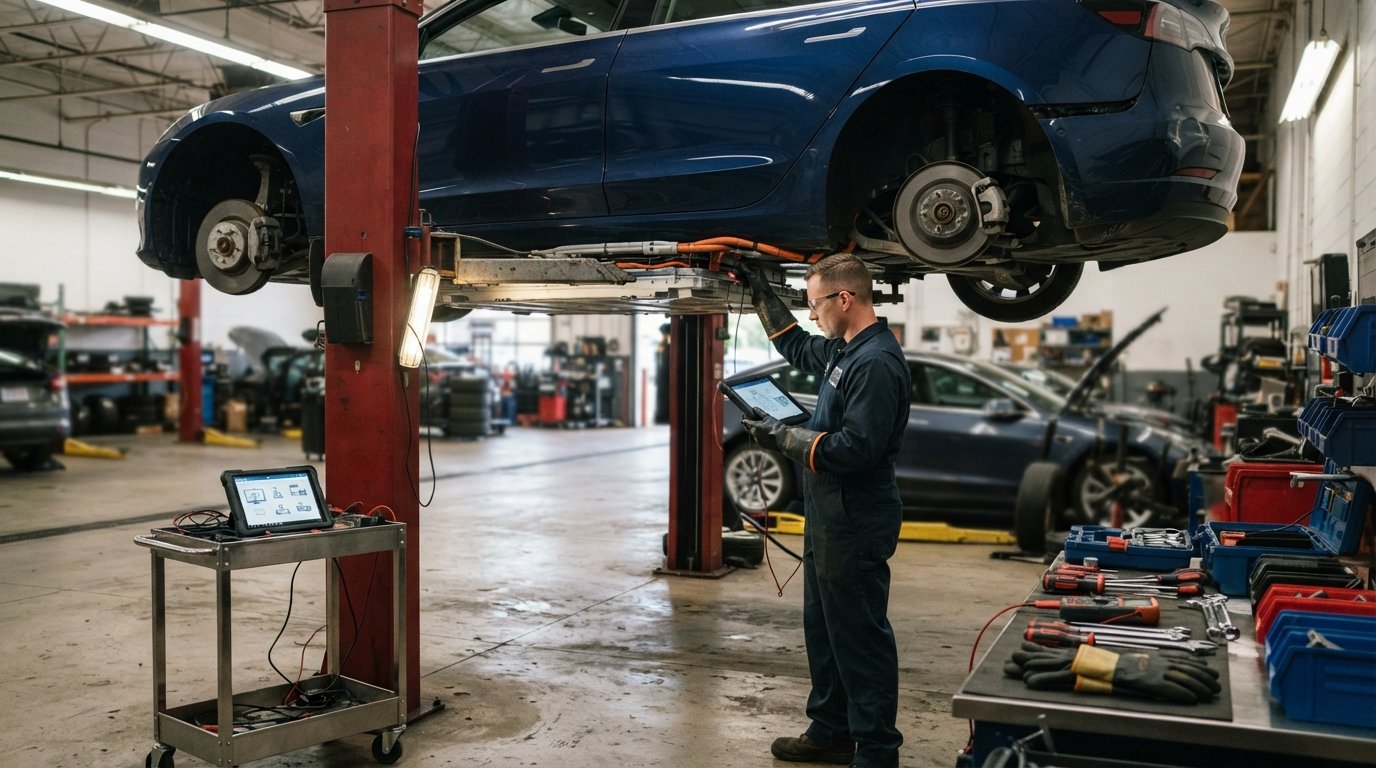
The single biggest reason EV premiums tend to run higher than gas car premiums is repair cost. Modern EVs are built around a large, expensive battery pack that often spans the entire floor of the vehicle. Even a moderate collision can damage that pack, and replacing it can cost thousands of dollars, sometimes more than the vehicle is worth. Gas cars have no comparable single component, so the worst-case repair scenario is usually far cheaper.
Beyond the battery, EVs pack in expensive electronics: drive motors, inverters, thermal management systems, and advanced driver assistance sensors. Body shops that can safely work on high-voltage systems are less common than traditional shops, which reduces competition and pushes labor rates up. Some EVs also use large single-piece castings or aluminum structures that are difficult and costly to repair, leading insurers to declare total losses more often than they would for a comparable gas car.
All of this flows directly into premiums. Insurers price policies based on expected claims costs, and when the average EV claim is more expensive, the base rate rises. That does not mean every EV owner pays more in every situation, but it does mean you should expect the comprehensive and collision portions of your policy to carry more weight than they would on a gas vehicle of similar size and price.
Does a Standard Auto Policy Cover the EV Battery?
This is the question that trips up the most new EV owners. The short answer is that a standard auto policy does not list the battery as a separate item, but the battery is generally treated as part of the vehicle. If your EV is damaged in a covered collision, the battery is included in the claim just like the engine would be in a gas car. The same applies to theft of the whole vehicle. Where things get complicated is when the battery is damaged by something the policy excludes, such as gradual wear, manufacturer defects, or certain types of water intrusion.
That distinction matters because battery degradation is a fact of EV life, and no auto policy covers a battery simply losing capacity over time. If your range drops because the pack is aging, that is a maintenance issue, not an insurance claim. Similarly, damage caused by improper charging equipment or a failed home charger may fall outside the auto policy and into homeowners or renters coverage instead.
Charging cables that come with the car are usually covered as part of the vehicle, but a permanently installed home charging station is a different story. Most auto policies do not cover the wall-mounted equipment itself, because it is considered part of your home. If you install a Level 2 charger in your garage, talk to your homeowners or renters insurer about whether it is covered, and consider whether the auto policy's comprehensive coverage would respond if the cable is stolen from the car.
Coverages EV Owners Should Ask About
When you request quotes, the standard menu of liability, collision, comprehensive, and uninsured motorist coverage still applies. But EV owners have a few additional questions worth raising, because the answers vary by carrier and by state. Asking about these items upfront prevents unpleasant surprises at claim time.
- Battery and high-voltage component coverage: Confirm that the battery, drive motors, and inverters are treated as part of the vehicle under collision and comprehensive coverage, and ask whether any exclusions apply to high-voltage systems.
- Charging equipment protection: Ask whether the policy covers charging cables, portable chargers, and any factory-provided adapters, and whether a home charging station requires a separate endorsement.
- Original equipment manufacturer parts: Some carriers default to aftermarket parts for repairs. EV owners often want OEM parts for battery and electronic components, so ask whether that is included or requires an upgrade.
- Total loss and replacement cost: Because EVs are totaled more often, ask how the carrier values a totaled EV and whether new car replacement or agreed value coverage is available.
- Roadside assistance and charging support: Running out of charge is different from running out of gas. Ask whether roadside assistance includes towing to a charging station or mobile charging.
None of these are exotic add-ons. They are simply the EV-specific details that a generic quote form may not surface. A licensed agent can walk through them in a few minutes, and the answers can change which carrier offers the best value for your situation.
How to Compare EV and Gas Car Quotes Fairly
Comparing quotes for an EV against a gas car is not as simple as plugging in two vehicle names and looking at the bottom line. To make a fair comparison, you need to control for the variables that drive price: driver profile, location, annual mileage, coverage limits, deductibles, and the value of the vehicle itself. An EV that costs $50,000 should be compared with a gas car in the same price range, not with an economy sedan, because collision and comprehensive costs scale with vehicle value.
A practical approach is to gather quotes for both vehicles using identical coverage selections. Start with the same liability limits, the same deductible, and the same optional coverages, then note where the EV quote diverges. Often the difference is concentrated in comprehensive and collision, while liability comes out similar. That pattern tells you the gap is about repair and replacement risk, not about the driver.
- Write down your current coverage limits and deductibles so you can replicate them exactly.
- Request quotes for the EV and for a gas vehicle with a similar purchase price and safety rating.
- Ask each carrier to break out comprehensive and collision separately from liability.
- Confirm which EV-specific coverages are included and which cost extra.
- Compare the total annual premium, not just the monthly payment, and check for discounts that apply to either vehicle.
It also helps to ask about discounts that may offset the EV premium. Some carriers offer discounts for vehicles with advanced safety features, for drivers who bundle auto and home policies, or for low annual mileage. Others may offer a discount for EVs specifically, though this is less common and varies by state. If you also own recreational vehicles, the same comparison discipline applies; our guide to ATV and off road vehicle insurance coverage explains how to line up quotes for specialty vehicles so you are not comparing apples to oranges.
State Rules, Registration, and Premium Factors
Insurance is regulated at the state level, so the rules that govern how carriers price EV policies differ depending on where you live. Some states have specific requirements around uninsured motorist coverage or personal injury protection that apply to all vehicles, including EVs. Others have begun to adjust registration fees for EVs to offset lost gas tax revenue, and those fees are separate from insurance but still part of the total cost of ownership.
Premium factors also interact with EV ownership in ways that are not always obvious. Theft risk matters more for some EV models, particularly those with high-demand components. Repair network density matters too: if you live in an area with few certified EV repair shops, your carrier may factor in longer repair times and higher rental reimbursement costs. Even the weight of an EV can influence liability exposure, because heavier vehicles can cause more damage in a collision.
This is why a quote that looks competitive online may not hold up once an agent reviews your specific ZIP code, driving record, and vehicle trim. The most reliable way to see how electric vehicle insurance differs from gas car coverage in your own situation is to compare real quotes from multiple carriers with the same coverage selections. For broader consumer guidance on coverage options and savings, NewAutoInsurance offers independent educational resources that can help you frame the right questions before you call an agent.
Common Misconceptions About EV Coverage
Several myths circulate about EV insurance, and clearing them up makes the shopping process smoother. One common belief is that EVs are uninsurable or that only specialty carriers will touch them. In reality, most major carriers write policies for EVs in most states; the difference is in pricing and in how claims are handled, not in basic availability.
Another misconception is that the battery is always covered no matter what happens. As noted earlier, collision and theft claims generally include the battery, but wear, defects, and certain environmental damage may be excluded. A third myth is that home charging equipment is automatically covered by the auto policy. It usually is not, and that gap is worth closing with a separate conversation with your homeowners or renters insurer.
Finally, some drivers assume that because EVs have fewer moving parts, they must be cheaper to insure. Fewer moving parts can mean lower maintenance costs, but insurance is driven by repair severity and part prices, not by the number of components. A simpler drivetrain does not offset a five-figure battery replacement.
Practical Steps Before You Buy or Switch
If you are shopping for an EV or adding one to your household, a little preparation goes a long way. Before you finalize the purchase, get a quote using the vehicle identification number so the carrier prices the exact trim and battery configuration. Ask the dealer whether the model has any known repair network limitations in your area, and confirm whether the factory warranty on the battery affects how the insurer handles claims.
If you are switching from a gas car, do not cancel your old policy until the new one is active. Keep proof of insurance in the vehicle, and update your policy as soon as you install a home charger so the equipment is properly documented. Small administrative steps like these prevent coverage disputes later.
Above all, treat the quote process as a comparison, not a formality. Electric vehicle insurance differs from gas car coverage mainly in the details: repair costs, battery treatment, charging equipment, and the optional coverages that fill gaps. Drivers who ask about those details upfront tend to end up with policies that actually match the vehicle in their driveway.