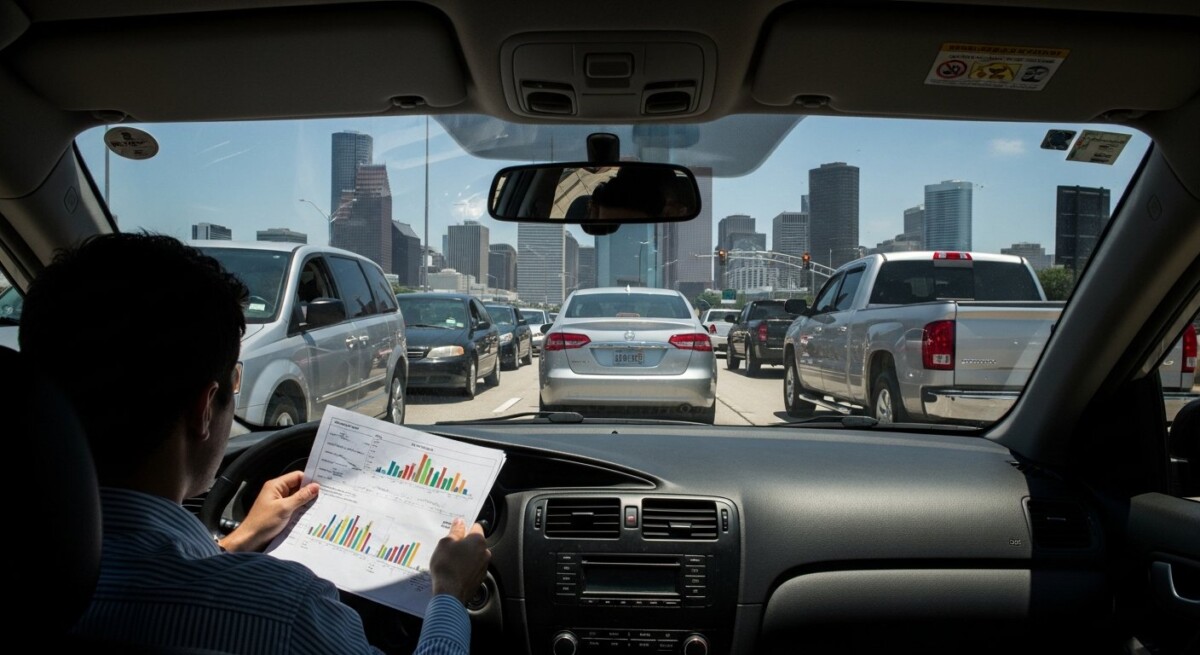
Imagine this: you are driving home after a long day, and a moment of distraction leads to a multi-car accident. The damage is severe, and the medical bills start piling up. If your liability limits are too low, you could be personally responsible for costs that exceed your policy. This is where high coverage auto insurance becomes not just a luxury but a financial necessity. For drivers with significant assets or those who simply want peace of mind, opting for higher limits on bodily injury, property damage, and uninsured motorist coverage is a strategic move. In this guide, we will explore why high coverage matters, how to choose the right limits, and what steps you can take to secure robust protection without overpaying.
What Defines High Coverage Auto Insurance?
High coverage auto insurance generally refers to liability limits that go well above state minimum requirements. While state minimums might be as low as 15/30/5 (meaning $15,000 per person, $30,000 per accident for bodily injury, and $5,000 for property damage), high coverage policies often start at 100/300/50 or higher. Some drivers opt for 250/500/100 or even umbrella policies that provide an additional layer of protection.
The core idea is simple: higher limits protect your personal finances from being wiped out by a lawsuit or large claim. If you cause an accident that results in $200,000 in medical expenses and your limit is only $30,000, you are on the hook for the remaining $170,000. High coverage ensures that the insurance company bears most of that financial burden, up to the limits you select.
Who Needs High Coverage Insurance?
High coverage is not for everyone, but it is critical for certain groups of drivers. If you fall into any of the following categories, you should seriously consider raising your limits.
Homeowners and Asset Holders
If you own a home, have significant savings, or own other valuable assets, you are a prime target for lawsuits after a serious accident. Plaintiffs and their attorneys often look for deep pockets. High coverage auto insurance, combined with an umbrella policy, shields your assets from being seized to satisfy a judgment. In our review of Good2Go Auto Insurance Review: Coverage for High-Risk Drivers, we discuss how even high-risk drivers can find adequate protection.
High-Income Earners
Even if you do not own a home yet, a high income can make you a target. Wage garnishment is a real possibility if a judgment exceeds your insurance limits. High coverage helps protect your future earnings.
Drivers with Long Commutes
More time on the road increases the probability of an accident. If you drive 30,000 miles per year, your exposure is significantly higher than someone who drives 5,000 miles. Higher limits provide a safety net for that increased risk.
Families with Teen Drivers
Teens are statistically more likely to cause accidents. Adding a teen driver to your policy increases your risk profile. High coverage ensures that if your teen is at fault in a serious crash, your family’s finances are not devastated. You can learn more about balancing cost and protection in our guide on How to Secure Low Auto Insurance Rates Without Sacrificing Coverage.
Key Coverage Types to Maximize
When building a high coverage policy, you need to look beyond just liability. Several other coverage types are equally important for comprehensive protection.
Bodily Injury Liability: This covers medical expenses, lost wages, and legal fees for the other party when you are at fault. High limits (e.g., $250,000 per person and $500,000 per accident) are the foundation of a strong policy.
Property Damage Liability: This pays for damage to someone else’s vehicle or property. With the cost of new cars and repairs climbing, limits of $100,000 or more are advisable.
Uninsured and Underinsured Motorist Coverage: This protects you if you are hit by a driver who has no insurance or insufficient limits. In many states, a significant percentage of drivers are uninsured. This coverage ensures you are not left paying your own medical bills.
Medical Payments or Personal Injury Protection (PIP): These cover your medical expenses regardless of fault. High limits on this coverage can be a lifesaver if you lack health insurance or have a high deductible.
How to Choose the Right High Coverage Limits
Selecting the right limits involves balancing risk tolerance with budget. Here is a step-by-step approach to finding your ideal coverage level.
First, calculate your net worth. Add up the value of your home, savings, investments, and other assets. Subtract any debts. This number represents what you could lose in a lawsuit. Your liability limits should at least match this number. For example, if your net worth is $300,000, consider 300/500/100 limits.
Second, consider an umbrella policy. An umbrella policy provides an extra $1 million or more in liability coverage on top of your auto and homeowners policies. It is surprisingly affordable, often costing $150 to $300 per year for $1 million in coverage. This is the ultimate high coverage solution.
Third, evaluate your state’s minimum requirements. If you live in a state with low minimums, do not be tempted to stop there. The cost difference between state minimums and high coverage is often much smaller than you think. For instance, raising your limits from 25/50/10 to 100/300/50 might only add $50 to $100 per year.
Fourth, check your existing policy. Many people are surprised to learn they already have lower limits than recommended. Review your declarations page and compare it to the guidelines above.
Common Misconceptions About High Coverage
There are several myths that prevent drivers from purchasing adequate coverage. Let us address them directly.
Myth 1: High coverage is only for rich people. Reality: Even middle-income families can be wiped out by a single lawsuit. Medical costs and legal fees can easily exceed $100,000. High coverage is for anyone who wants to avoid financial ruin.
Myth 2: My health insurance will cover me after an accident. Reality: Health insurance often has high deductibles and may not cover lost wages or rehabilitation. Plus, health insurance does not cover liability to others. Auto insurance is essential for both.
Myth 3: Umbrella policies are too expensive. Reality: As mentioned, umbrella policies are inexpensive relative to the protection they provide. They also often cover legal defense costs, which can be substantial.
Strategies to Lower Premiums on High Coverage Policies
High coverage does not have to mean sky-high premiums. Use these strategies to keep costs manageable.
- Bundle your auto and homeowners or renters insurance with the same carrier for a multi-policy discount.
- Maintain a clean driving record. Tickets and at-fault accidents can increase rates by 20% to 40%.
- Increase your comprehensive and collision deductibles to $1,000 or more. This lowers your premium while still maintaining high liability limits.
- Take advantage of telematics programs that monitor your driving habits. Safe drivers can earn significant discounts.
- Shop around every six to twelve months. Rates vary widely between insurers, and switching can save you hundreds of dollars annually.
Implementing these strategies can offset the cost of raising your limits. For example, bundling policies often saves 10% to 15%, which can cover the premium increase for higher liability limits. Additionally, maintaining a good credit score can lead to lower rates in most states, as insurers use credit-based insurance scores to predict risk.
Real-World Scenarios Where High Coverage Matters
Consider a driver named Sarah who has state minimum coverage of 25/50/10. She accidentally runs a red light and T-bones a minivan carrying a family of four. The resulting injuries include two broken legs, a spinal injury, and a traumatic brain injury. Total medical bills reach $400,000. Sarah’s policy only covers $50,000 total for bodily injury. She is personally sued for the remaining $350,000. Her wages are garnished for years, and she has to declare bankruptcy.
Now consider Tom, who has 250/500/100 limits and a $1 million umbrella policy. In the same accident, his insurance pays for the full $400,000 in medical costs, plus legal fees. Tom is protected. His monthly premium was only $60 more than Sarah’s.
These scenarios illustrate the real value of high coverage. It is not about betting against yourself; it is about preparing for the worst while hoping for the best. For a modern approach to coverage, check out Hugo Auto Insurance: A Modern Approach to Vehicle Coverage for flexible options that cater to different needs.
Frequently Asked Questions
What is the difference between 100/300/50 and 250/500/100? The numbers represent bodily injury per person, bodily injury per accident, and property damage per accident. 100/300/50 means $100,000 per person, $300,000 per accident for injuries, and $50,000 for property damage. 250/500/100 doubles the per-person limit and increases property damage coverage. The higher limits provide greater protection, especially if you cause an accident involving multiple vehicles or serious injuries.
Does high coverage auto insurance cover rental cars? Typically, your personal auto policy extends to rental cars, but the coverage limits are the same as your policy. If you have high liability limits, those apply to the rental as well. However, you may still want to purchase the rental company’s loss damage waiver to cover physical damage to the rental vehicle. Always check your policy’s rental car provisions.
Can I have high coverage on an older car? Yes. Liability coverage is not tied to the value of your car. Even if you drive a 15-year-old sedan, you can still carry high liability limits. Comprehensive and collision coverage may not be worth it on a low-value car, but liability protection remains critical regardless of your vehicle’s age.
How does an umbrella policy work with auto insurance? An umbrella policy sits on top of your auto and homeowners policies. You must first exhaust your underlying liability limits (e.g., $300,000 from your auto policy) before the umbrella kicks in. The umbrella then provides additional coverage, typically $1 million or more, and also covers some claims that your auto policy might not, such as slander or libel. It is a cost-effective way to significantly increase your protection.
Will my rates increase if I file a claim under high coverage? Yes, filing any claim can lead to a rate increase, regardless of your coverage limits. However, having high coverage does not make you more likely to file a claim. In fact, drivers with high coverage tend to be more risk-averse and may file fewer claims. If you are concerned about rate increases, consider accident forgiveness programs offered by some insurers.
Final Thoughts on High Coverage Auto Insurance
Choosing high coverage auto insurance is one of the most important financial decisions you can make. It safeguards your savings, your home, and your future earnings against the unpredictable nature of the road. While it may cost a bit more each month, the protection it provides is invaluable. To determine if this coverage is right for you, evaluate your assets, consider an umbrella policy, and compare quotes from multiple carriers. For more insights, read our analysis on Is AMAX Auto Insurance Right for You? Coverage and Costs Explained to see how different providers stack up. Start by getting a free quote today and take the first step toward truly comprehensive protection.